


Pediatric Patients With Steroid-Sensitive Nephrotic Syndrome Have Higher Expression of T Regulatory Lymphocytes in Comparison to Steroid-Resistant Disease
- PMID: 31001501
- PMCID: PMC6455073
- DOI: 10.3389/fped.2019.00114
Pediatric Patients With Steroid-Sensitive Nephrotic Syndrome Have Higher Expression of T Regulatory Lymphocytes in Comparison to Steroid-Resistant Disease
Abstract
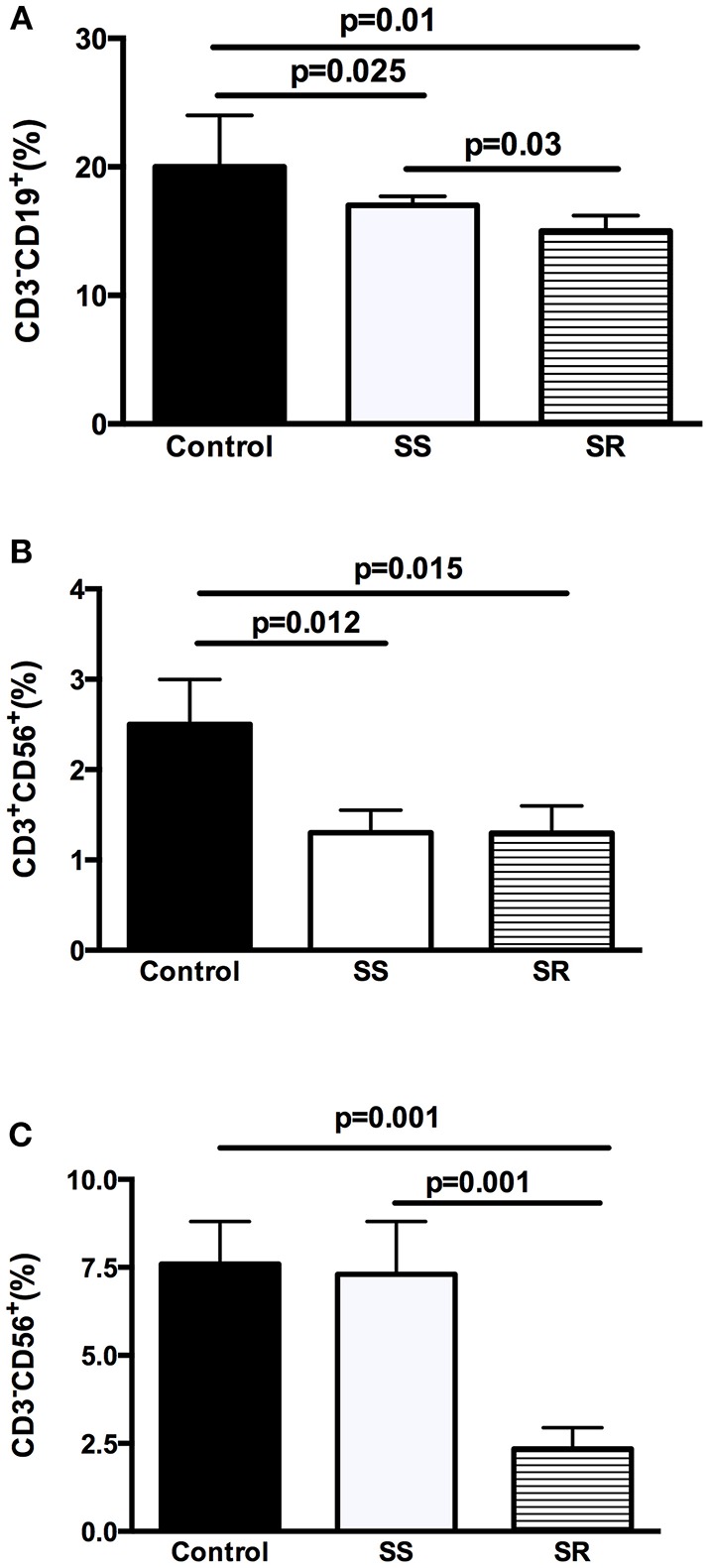
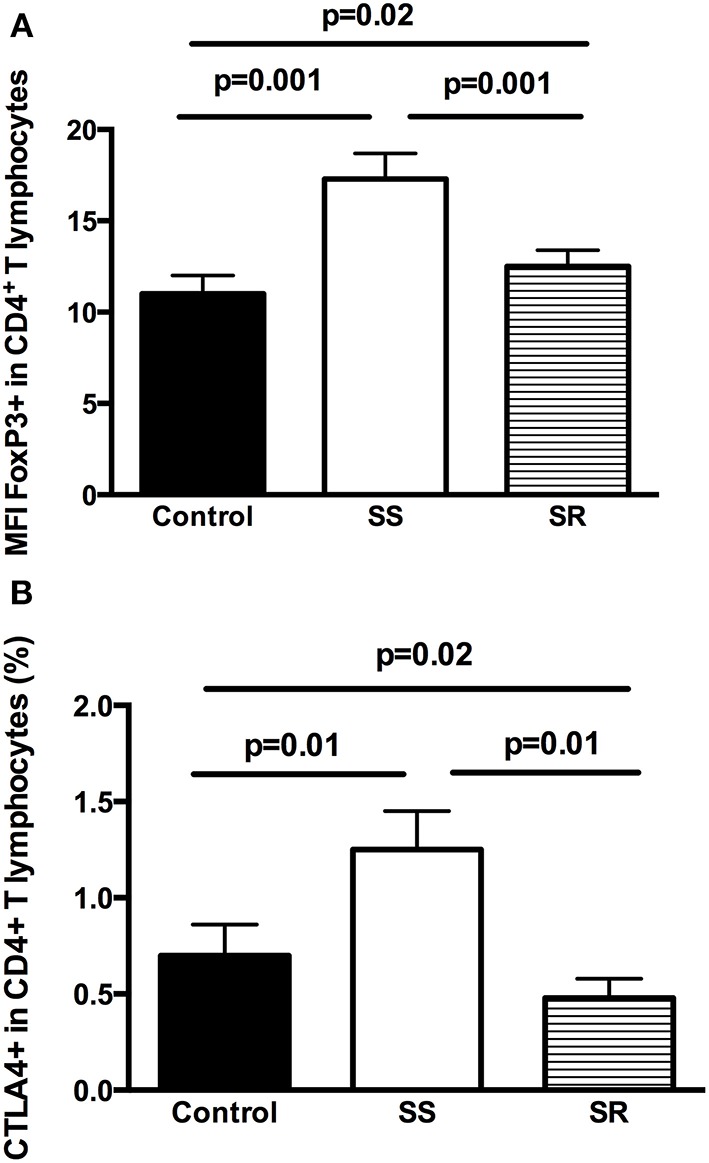
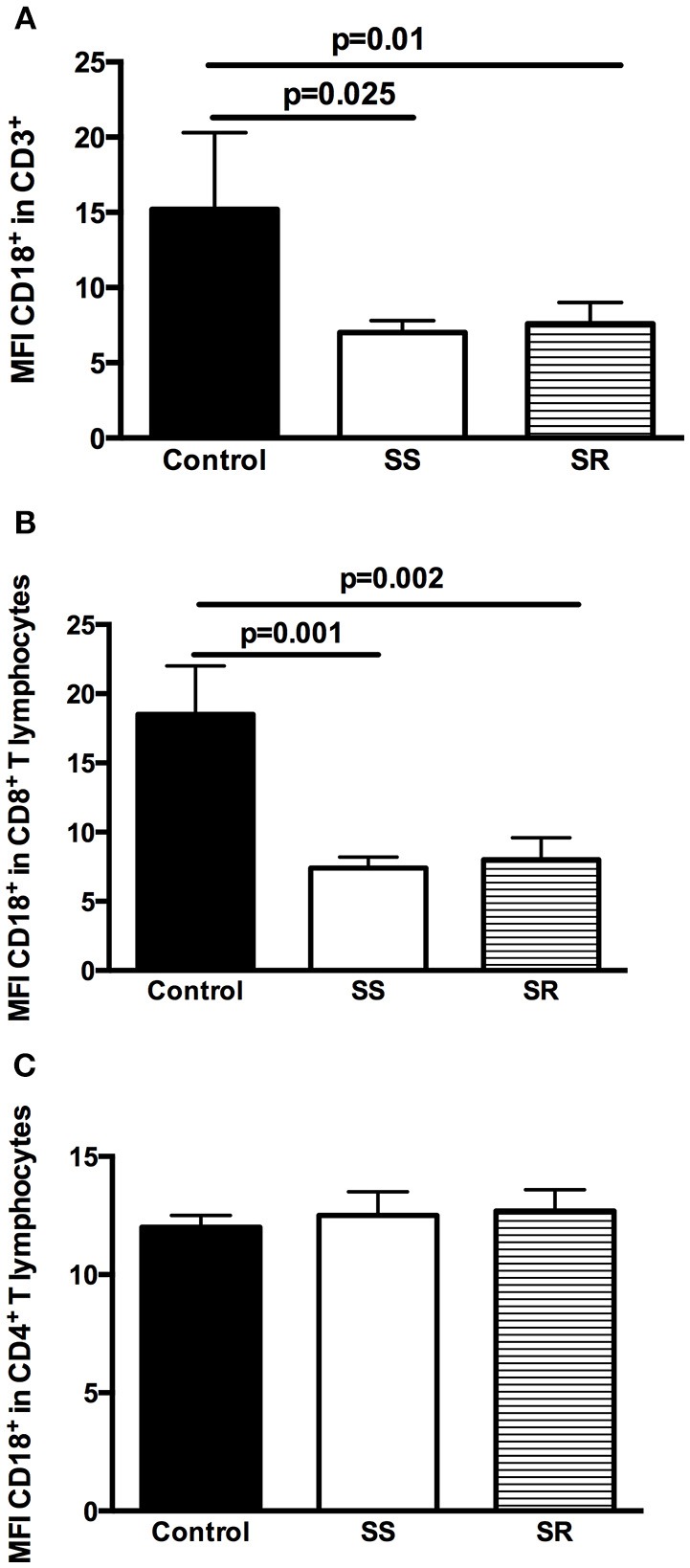
Background and Aim: Idiopathic nephrotic syndrome (INS) is classified according to the response to drug therapy in steroid-sensitive (SS), steroid-dependent (SD), and steroid-resistant (SR) categories. Previous studies showed changes in inflammatory activity of subpopulations of lymphocytes in INS. This study aimed to compare SS and SR patients in regard to subpopulations of leukocytes, profile of regulatory lymphocytes, and migratory activity of lymphocyte subpopulations. Results obtained in INS patients were also compared to age and sex-matched healthy controls. Methods: This is a cross-sectional study including SS patients (n = 30), SR patients (n = 14), and controls (n = 10). Peripheral blood samples were withdrawn for ex-vivo leukocyte flow cytometry analysis. Results: Percentage of B-lymphocytes and natural killer (NK) cells were significantly reduced in SR patients when compared to controls, while the percentage of NKT cells were decreased in SS patients in comparison to controls. Percentages of CD4+ expressing FoxP3 and CTLA4 were significantly higher in SS patients in comparison to SR patients and controls. The expression of integrin CD18 on the surface of T lymphocytes (CD3+) was reduced in SS patients if compared to controls. Conclusion: This study found that SS INS patients have higher levels of regulatory T-lymphocytes and lower expression of adhesion molecules than SR patients.
Keywords: chemokines; flow cytometry; integrins; nephrotic syndrome; regulatory T cells.
Figures
References
-
- Avner ED, Harmon W, Niaudet P. Pediatric Nephrology. Philadelphia, PA: Lippincott Williams and Wilkins; (2004).
-
- Chambers T. Clinical paediatric nephrology 3rd edition. J R Soc Med. (2004) 97:406–7. 10.1258/jrsm.97.8.406 - DOI
LinkOut - more resources
Full Text Sources
Research Materials
