Sarcopenia: Ammonia metabolism and hepatic encephalopathy
- PMID: 31006226
- PMCID: PMC6759436
- DOI: 10.3350/cmh.2019.0015
Sarcopenia: Ammonia metabolism and hepatic encephalopathy
Abstract
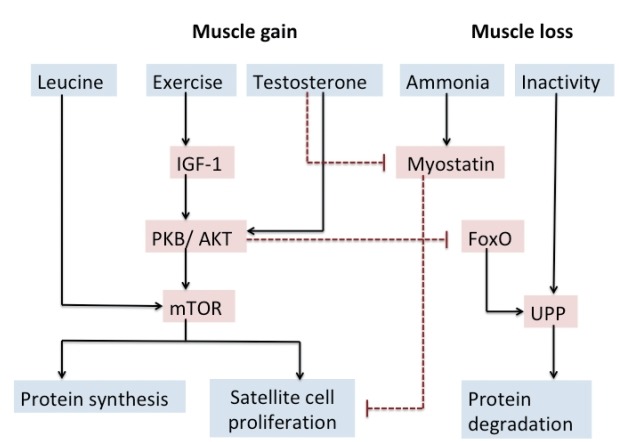
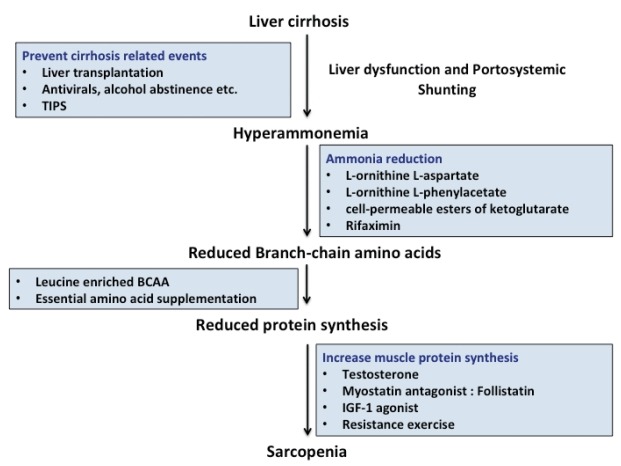
Sarcopenia (loss of muscle mass and/or strength) frequently complicates liver cirrhosis and adversely affects the quality of life; cirrhosis related liver decompensation and significantly decreases wait-list and post-liver transplantation survival. The main therapeutic strategies to improve or reverse sarcopenia include dietary interventions (supplemental calorie and protein intake), increased physical activity (supervised resistance and endurance exercises), hormonal therapy (testosterone), and ammonia lowering agents (L-ornithine L-aspartate, branch chain amino acids) as well as mechanistic approaches that target underlying molecular and metabolic abnormalities. Besides other factors, hyperammonemia has recently gained attention and increase sarcopenia by various mechanisms including increased expression of myostatin, increased phosphorylation of eukaryotic initiation factor 2a, cataplerosis of α ketoglutarate, mitochondrial dysfunction, increased reactive oxygen species that decrease protein synthesis and increased autophagy-mediated proteolysis. Sarcopenia contributes to frailty and increases the risk of minimal and overt hepatic encephalopathy.
Keywords: Ammonia; Hepatic encephalopathy; Liver cirrhosis; Sarcopenia; Testosterone.
Conflict of interest statement
Figures
References
-
- Janssen I. Evolution of sarcopenia research. Appl Physiol Nutr Metab. 2010;35:707–712. - PubMed
-
- Tandon P, Ney M, Irwin I, Ma MM, Gramlich L, Bain VG, et al. Severe muscle depletion in patients on the liver transplant wait list: its prevalence and independent prognostic value. Liver Transpl. 2012;18:1209–1216. - PubMed
Publication types
MeSH terms
Substances
LinkOut - more resources
Full Text Sources