


Seasonality and symptoms of depression: A systematic review of the literature
- PMID: 31006406
- PMCID: PMC8061295
- DOI: 10.1017/S2045796019000209
Seasonality and symptoms of depression: A systematic review of the literature
Abstract
Aims: Lay opinions and published papers alike suggest mood varies with the seasons, commonly framed as higher rates of depression mood in winter. Memory and confirmation bias may have influenced previous studies. We therefore systematically searched for and reviewed studies on the topic, but excluded study designs where explicit referrals to seasonality were included in questions, interviews or data collection.
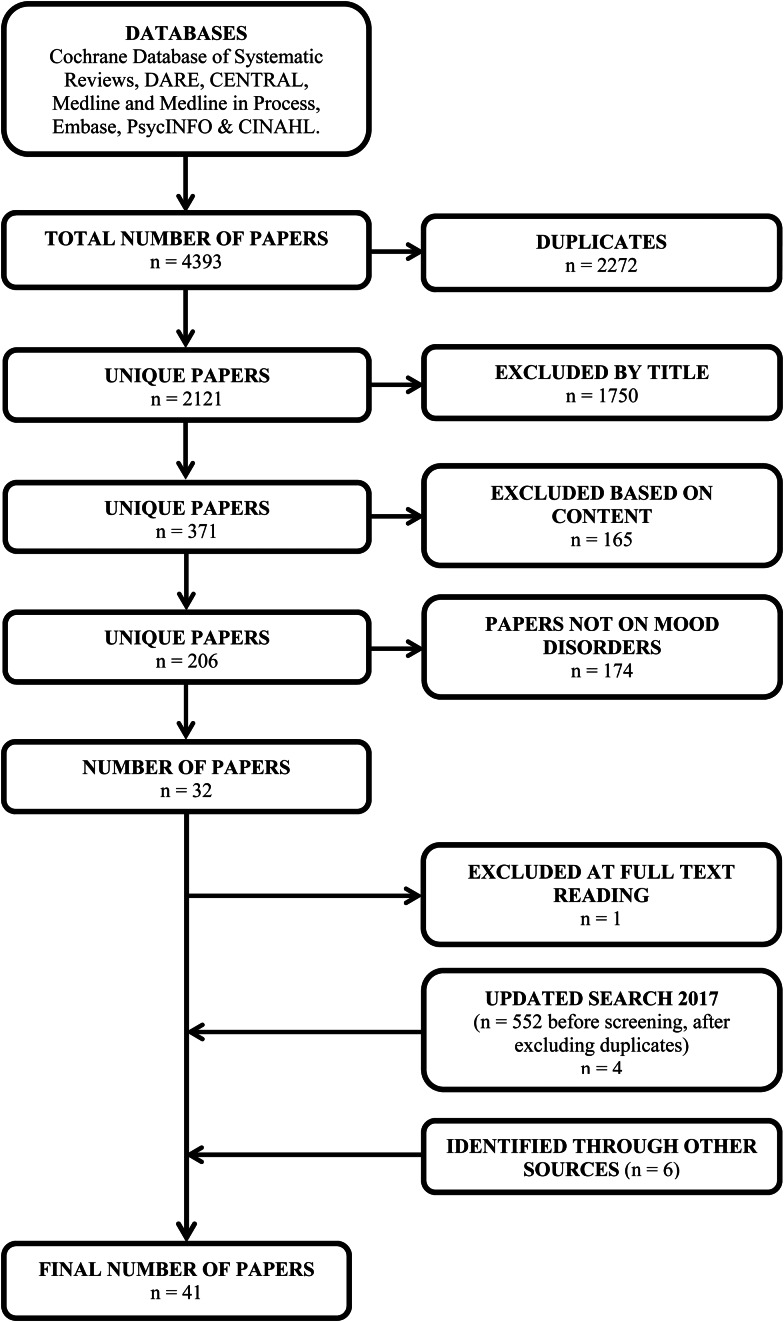
Methods: Systematic literature search in Cochrane database, DARE, Medline, Embase, PsychINFO and CINAHL, reporting according to the PRISMA framework, and study quality assessment using the Newcastle-Ottawa scale. Two authors independently assessed each study for inclusion and quality assessment. Due to large heterogeneity, we used a descriptive review of the studies.
Results: Among the 41 included studies, there was great heterogeneity in regards to included symptoms and disorder definitions, operationalisation and measurement. We also observed important heterogeneity in how definitions of 'seasons' as well as study design, reporting and quality. This heterogeneity precluded meta-analysis and publication bias analysis. Thirteen of the studies suggested more depression in winter. The remaining studies suggested no seasonal pattern, seasonality outside winter, or inconclusive results.
Conclusions: The results of this review suggest that the research field of seasonal variations in mood disorders is fragmented, and important questions remain unanswered. There is some support for seasonal variation in clinical depression, but our results contest a general population shift towards lower mood and more sub-threshold symptoms at regular intervals throughout the year. We suggest future research on this issue should be aware of potential bias by design and take into account other biological and behavioural seasonal changes that may nullify or exacerbate any impact on mood.
Keywords: Admissions; antidepressants; depression; depressive symptoms; mood disorders; postpartum depression; seasonality; systematic review.
Conflict of interest statement
None of the authors have any competing interests to report.
Figures
References
-
- Albin R (1982) Christmas blues: reality or myth? In The Graduate School of Arts and Sciences. The George Washington University.
-
- Anastasi S, Eusebi P and Quartesan RJPD (2014) Psychiatry in the emergency room: one year period of clinical experience. Psychiatria Danubina 26, 56–65. - PubMed
-
- Avery DH, Dahl K, Savage MV, Brengelmann GL, Larsen LH, Kenny MA, Eder DN, Vitiello MV and Prinz PN (1997) Circadian temperature and cortisol rhythms during a constant routine are phase-delayed in hypersomnic winter depression. Biological Psychiatry 41, 1109–1123. - PubMed
-
- Ayers JW, Althouse BM, Allem JP, Rosenquist JN and Ford DE (2013) Seasonality in seeking mental health information on Google. American Journal of Preventive Medicine 44, 520–525. - PubMed
Publication types
MeSH terms
LinkOut - more resources
Full Text Sources
Medical
