Request a woman scientist: A database for diversifying the public face of science
- PMID: 31013291
- PMCID: PMC6478268
- DOI: 10.1371/journal.pbio.3000212
Request a woman scientist: A database for diversifying the public face of science
Abstract
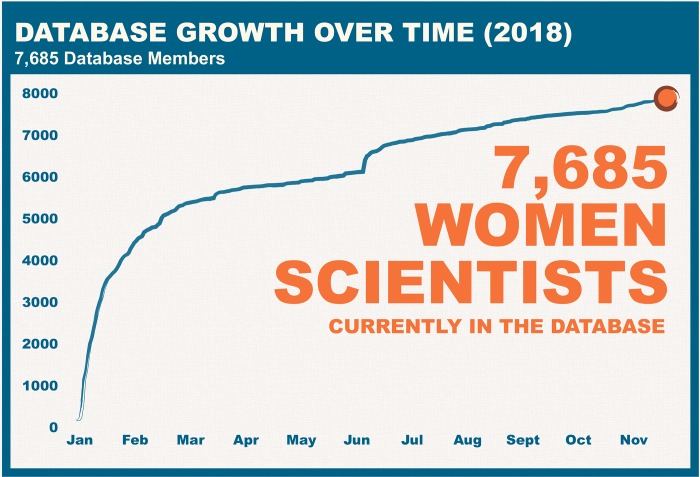
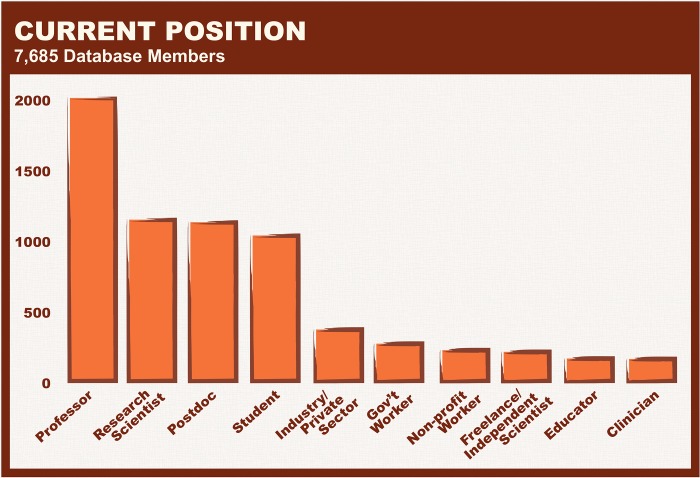
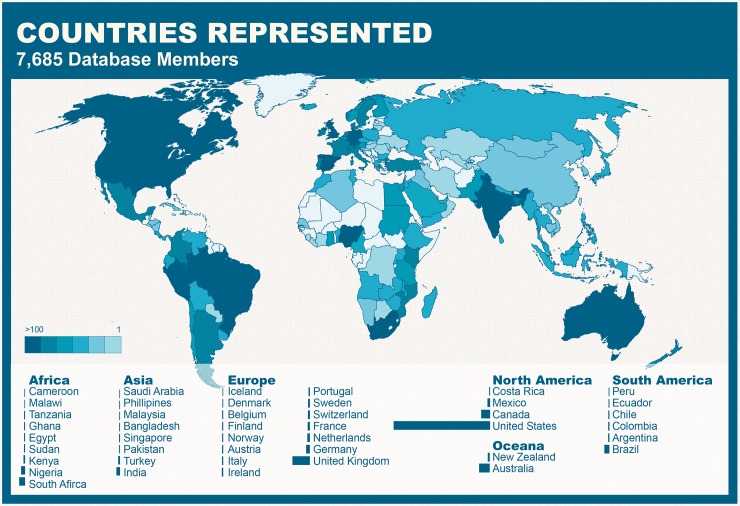
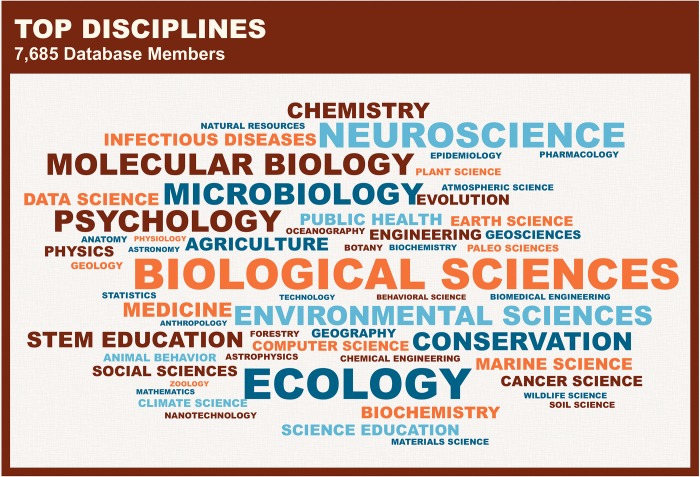
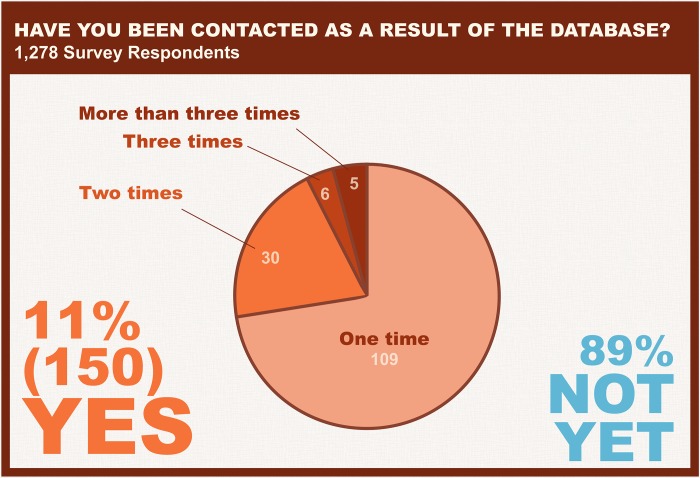
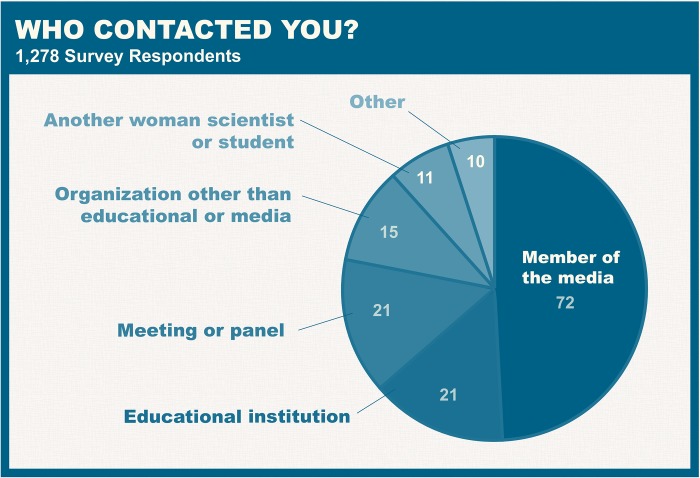
A global online register of women scientists, ready to share their science, was established by a cohort of volunteer women from the grassroots organization 500 Women Scientists on January 17th, 2018. In less than one year, the database "Request a Woman Scientist" comprised over 7,500 women from 174 scientific disciplines and 133 countries. The database is built upon a voluntary questionnaire regarding career stage, degree, scientific discipline, geographic location, and other self-identifying dimensions of representation. The information was visualized using the software platform Tableau, with dropdown menus that help query the database and output a list of names, email addresses, and websites. The biological sciences and women scientists from the United States of America were best represented in the database. A survey of women in the database conducted in November 2018 showed that of 1,278 respondents, 11% had been contacted since signing up for a variety of engagements, including media, peer review, panel participation, educational outreach, and professional/research connections. These engagements resulted in consultations for articles, video chats with students, and speaking opportunities at conferences and events. With improved functionality and marketing, outreach in the global south, and future translation in other languages, this database will further promote the profile and participation of women scientists across society, which in turn will benefit the advancement of science.
Conflict of interest statement
The authors have declared that no competing interests exist.
Figures
References
-
- Lafrance Adrienne. I Analyzed a Year of My Reporting for Gender Bias (Again). The Atlantic. 17 February 2016. Available from: https://www.theatlantic.com/technology/archive/2016/02/gender-diversity-... Cited 25 Nov 2018.
-
- Chambers D. W. (1983), Stereotypic images of the scientist: The draw‐a‐scientist test. Sci. Ed., 67: 255–265. 10.1002/sce.3730670213 - DOI
Publication types
MeSH terms
Grants and funding
LinkOut - more resources
Full Text Sources