


Knowledge and perceptions of Zika virus transmission in the community of Puerto Plata, Dominican Republic
- PMID: 31014275
- PMCID: PMC6480501
- DOI: 10.1186/s12879-019-3952-0
Knowledge and perceptions of Zika virus transmission in the community of Puerto Plata, Dominican Republic
Abstract
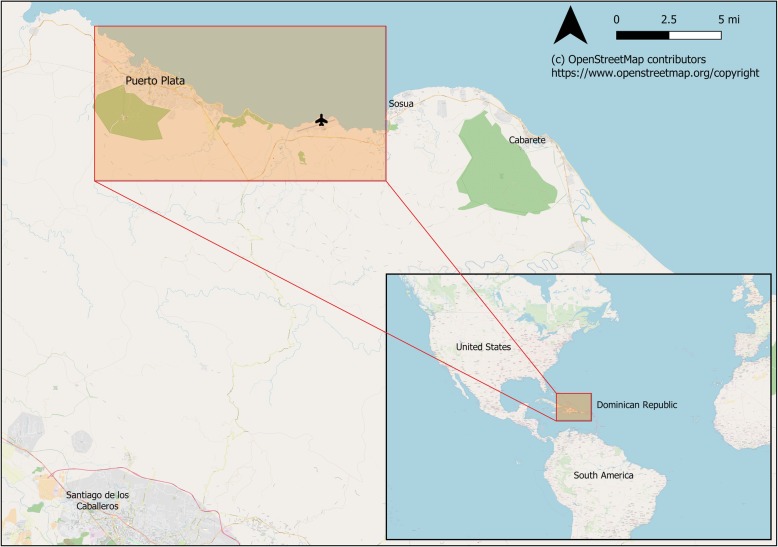
Background: Zika virus is associated with increased cases of both microcephaly and Guillain-Barré syndrome. Community knowledge, perceptions and practices to prevent infection with the Zika virus are not well understood, particularly among high risk populations living in resource-poor and Zika-endemic areas. Our objective was to assess knowledge of symptoms, health effects and prevention practices associated with Zika virus in rural communities on the northern coast of the Dominican Republic.
Methods: Study participants were contacted while attending community events such as free medical clinics and invited to be interviewed regarding their knowledge, attitudes, and perceptions of Zika virus using the World Health Organization's Zika survey tool.
Results: Of the 75 Dominicans that participated, 33% did not know who could become infected with Zika. In addition, only 40% of respondents were able to identify mosquitoes or sexual transmission as the primary routes of infection though 51% of respondents thought that Zika was an important issue in their community.
Conclusions: This study found that general knowledge regarding the basic risks and transmission of Zika were not well understood among a sample of rural Dominicans. Our findings highlight disparities in knowledge and perception of risk from Zika in rural areas compared to previous studies conducted in the Dominican Republic. Education about the basic risks and transmission of Zika are critically needed in these remote populations to reduce Zika transmission.
Keywords: Dominican Republic; KAP; Knowledge attitude and practices; Zika prevention; Zika virus.
Conflict of interest statement
Ethics approval and consent to participate
The Indiana University Office of Research Compliance provided ethical approval for this study (Protocol #1704154698). All participants provided verbal consent after being read the purposes and potential risks of participating in the study. Verbal consent was deemed appropriate due to the high illiteracy rates in the Dominican Republic.
Consent for publication
Not applicable.
Competing interests
All authors declare that they have no competing interests.
Publisher’s Note
Springer Nature remains neutral with regard to jurisdictional claims in published maps and institutional affiliations.
Figures
References
-
- Centers for Disease Control and Prevention . Zika Virus for Healthcare Providers. 2017.
-
- Pan American Health Organization . Zika cumulative cases. 2017.
-
- World Health Organization . Zika virus and complications: 2016 public health emergency of international concern. 2016.
-
- World Health Organization . Zika virus outbreak global response. 2017.
MeSH terms
LinkOut - more resources
Full Text Sources
Medical
