


In silico learning of tumor evolution through mutational time series
- PMID: 31015295
- PMCID: PMC6510994
- DOI: 10.1073/pnas.1901695116
In silico learning of tumor evolution through mutational time series
Abstract
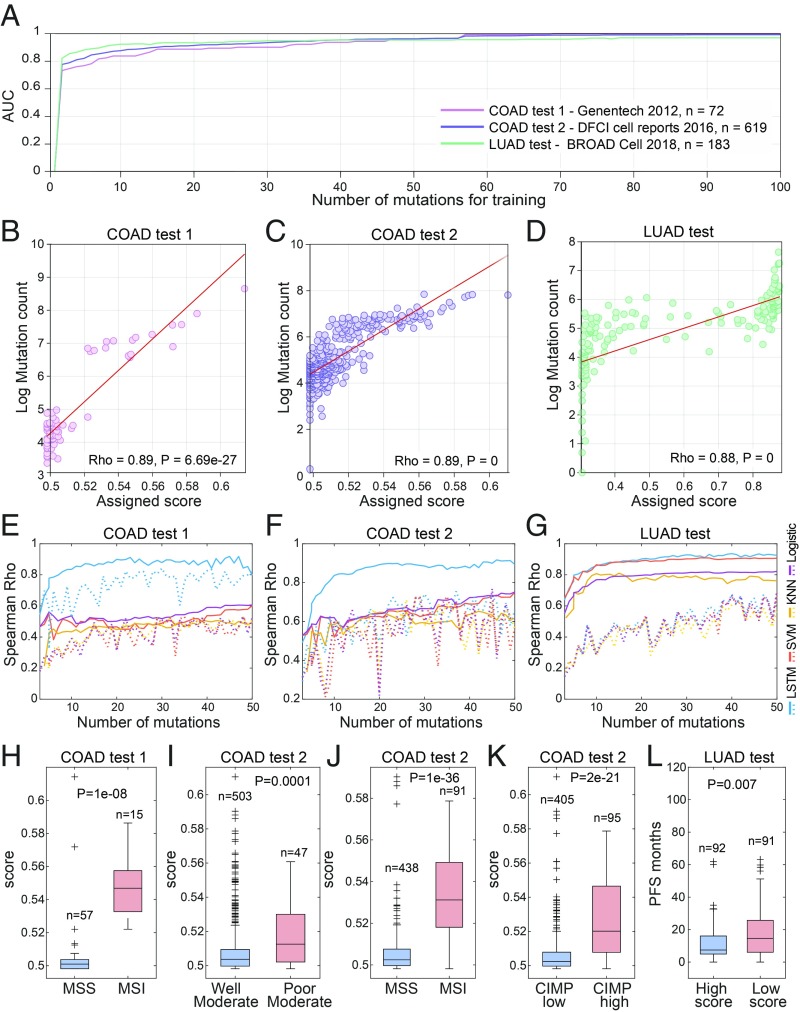
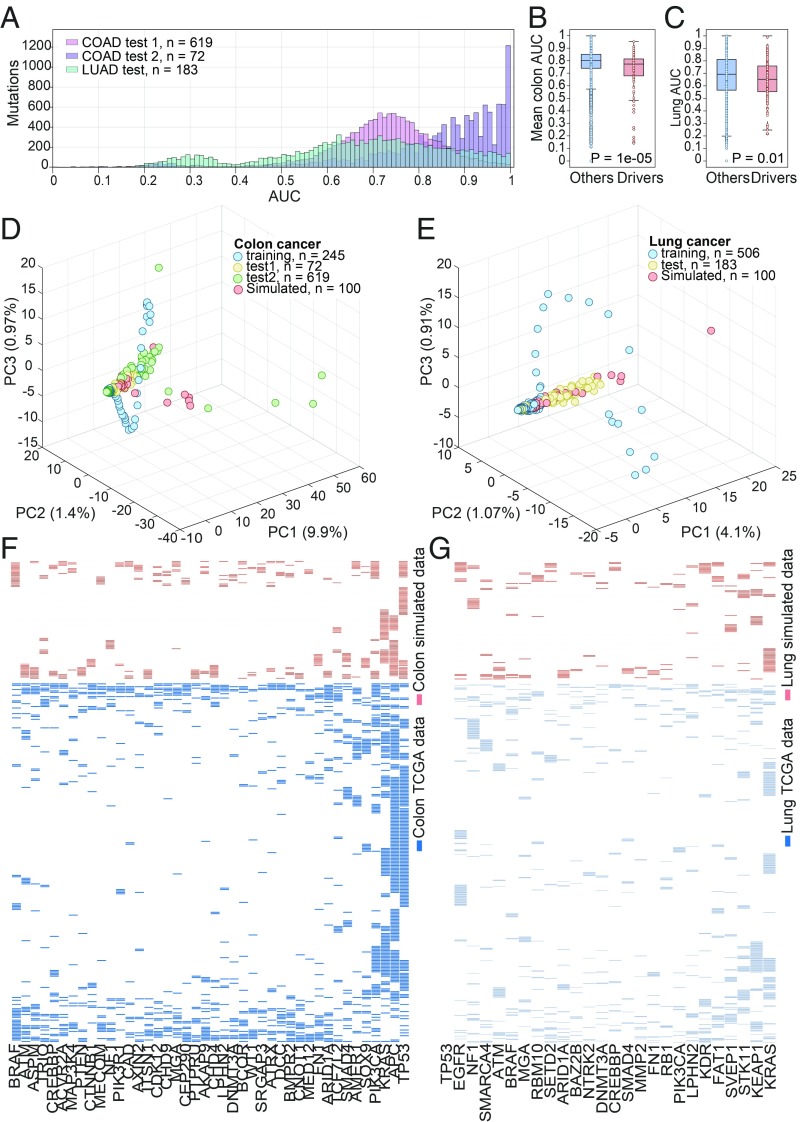
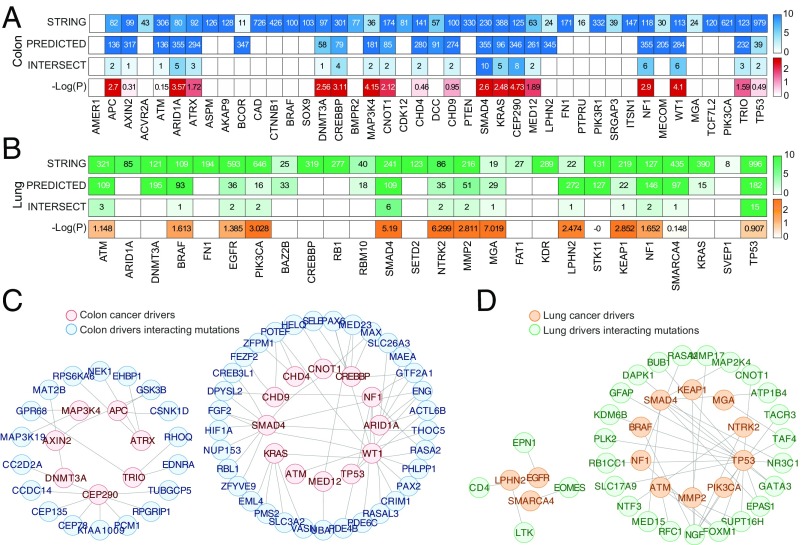
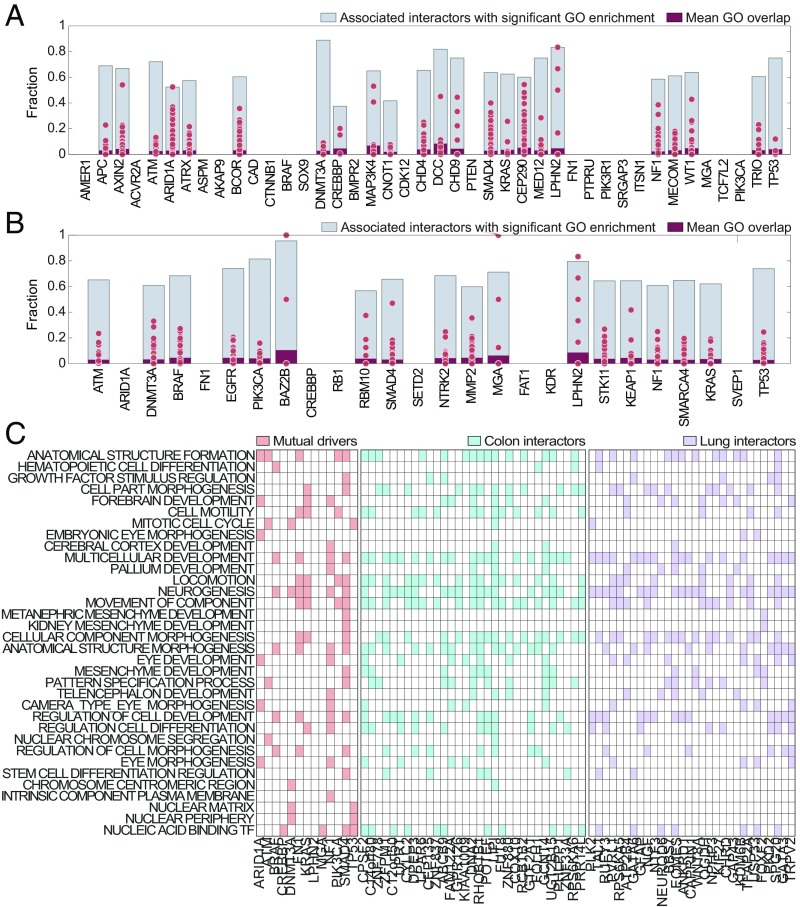
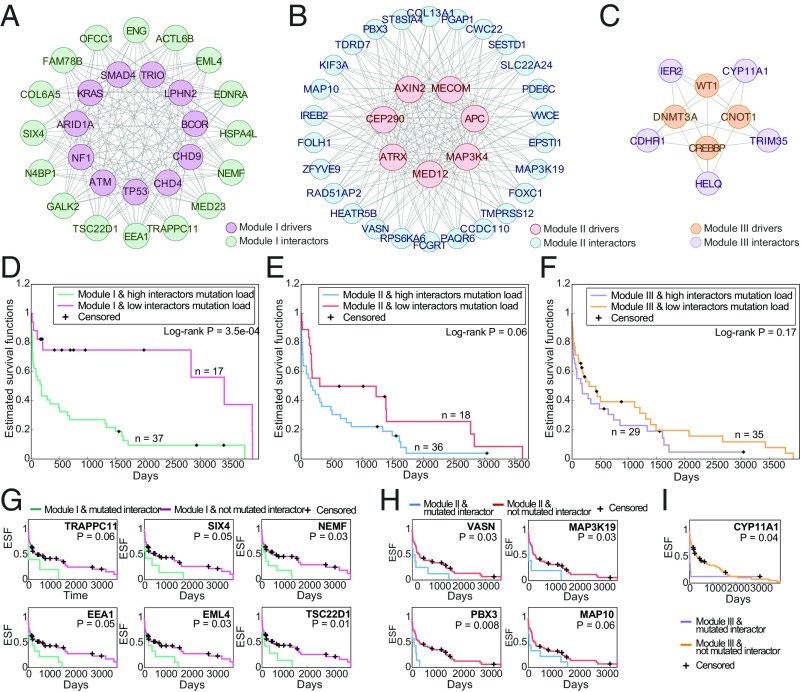
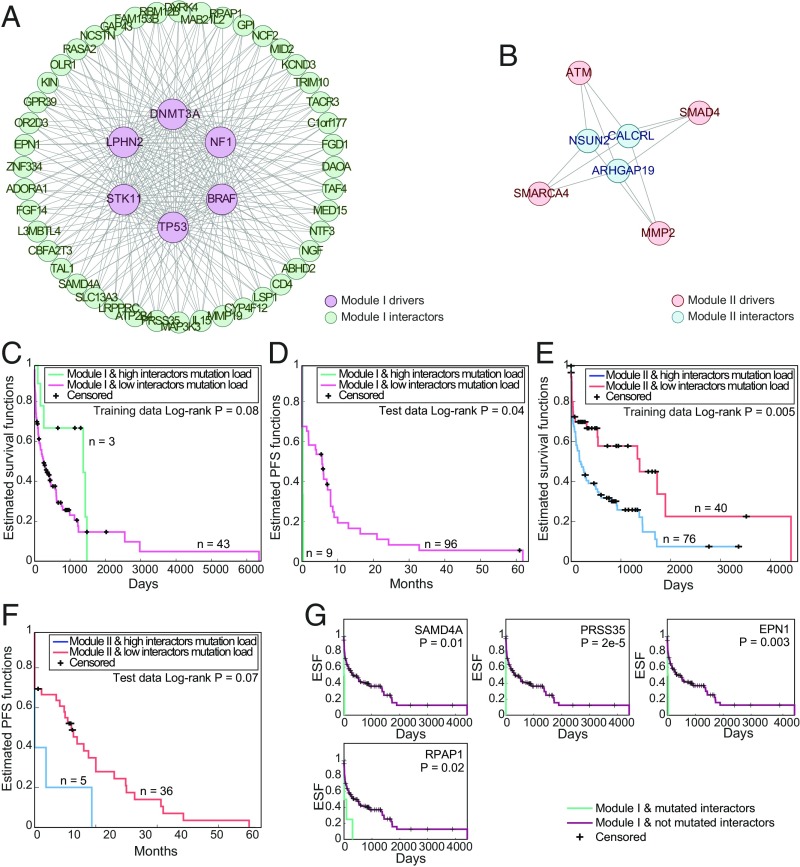
Cancer arises through the accumulation of somatic mutations over time. Understanding the sequence of mutation occurrence during cancer progression can assist early and accurate diagnosis and improve clinical decision-making. Here we employ long short-term memory (LSTM) networks, a class of recurrent neural network, to learn the evolution of a tumor through an ordered sequence of mutations. We demonstrate the capacity of LSTMs to learn complex dynamics of the mutational time series governing tumor progression, allowing accurate prediction of the mutational burden and the occurrence of mutations in the sequence. Using the probabilities learned by the LSTM, we simulate mutational data and show that the simulation results are statistically indistinguishable from the empirical data. We identify passenger mutations that are significantly associated with established cancer drivers in the sequence and demonstrate that the genes carrying these mutations are substantially enriched in interactions with the corresponding driver genes. Breaking the network into modules consisting of driver genes and their interactors, we show that these interactions are associated with poor patient prognosis, thus likely conferring growth advantage for tumor progression. Thus, application of LSTM provides for prediction of numerous additional conditional drivers and reveals hitherto unknown aspects of cancer evolution.
Keywords: cancer progression; driver mutations; machine learning; neural networks; passenger mutations.
Copyright © 2019 the Author(s). Published by PNAS.
Conflict of interest statement
The authors declare no conflict of interest.
Figures
References
Publication types
MeSH terms
LinkOut - more resources
Full Text Sources
Other Literature Sources
