


TSP-1 is downregulated and inversely correlates with miR-449c expression in Cushing's disease
- PMID: 31016850
- PMCID: PMC6533510
- DOI: 10.1111/jcmm.14297
TSP-1 is downregulated and inversely correlates with miR-449c expression in Cushing's disease
Abstract
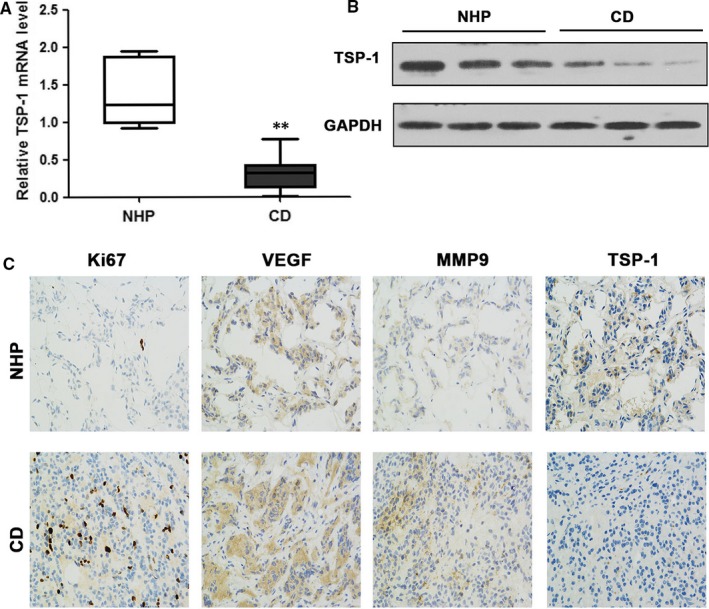
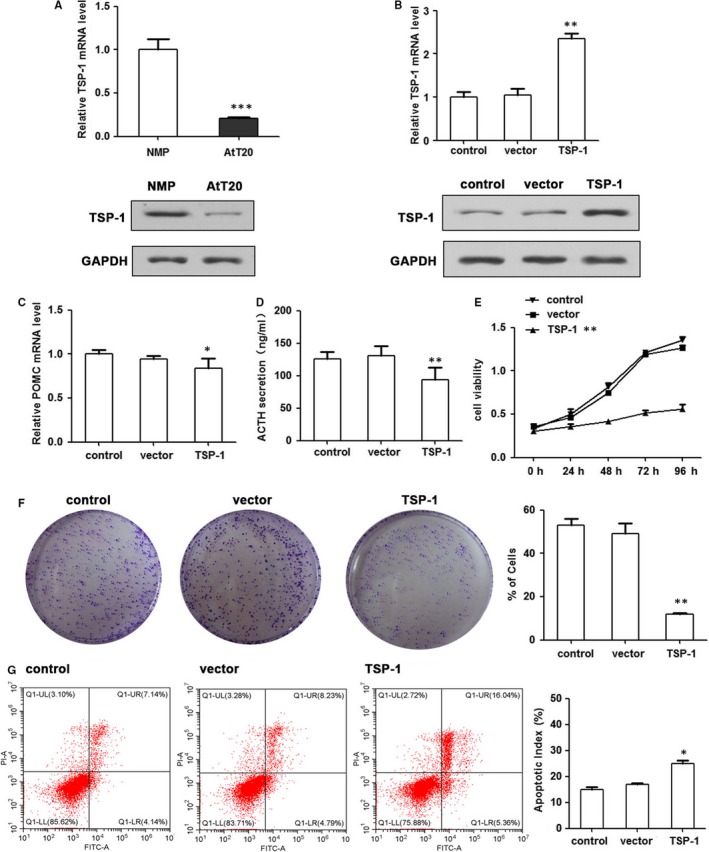
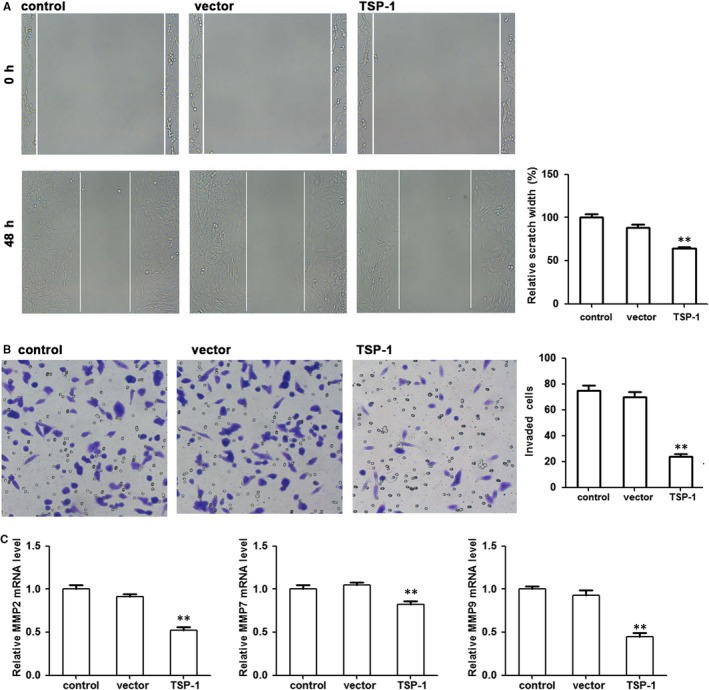
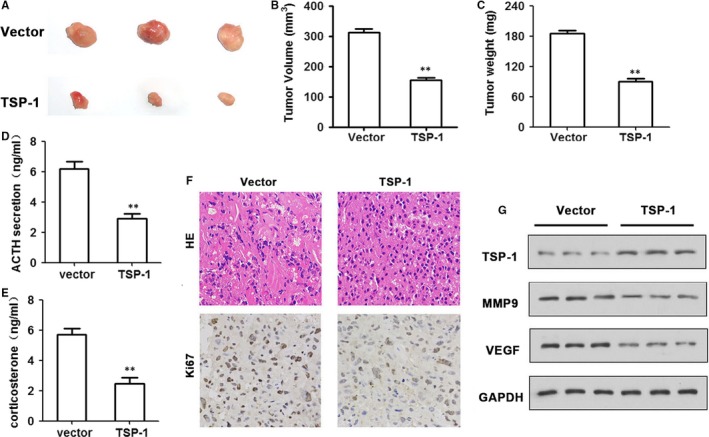
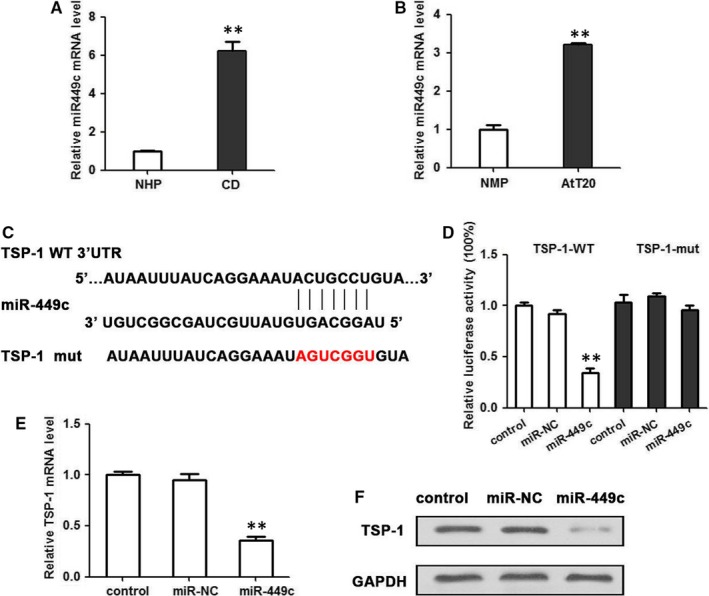
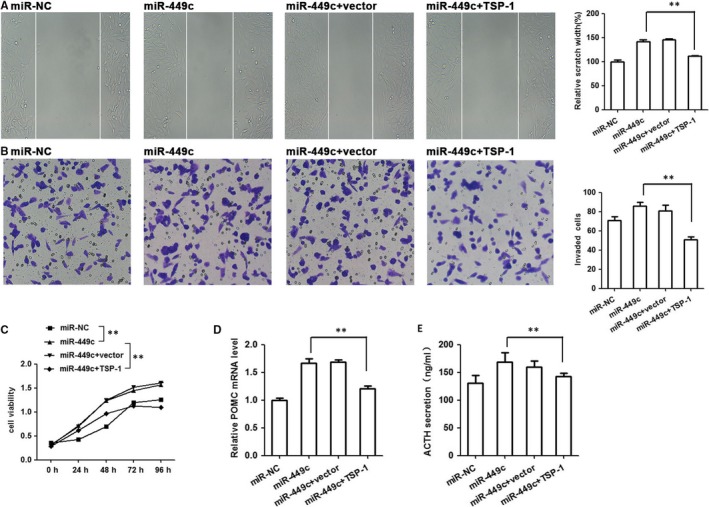
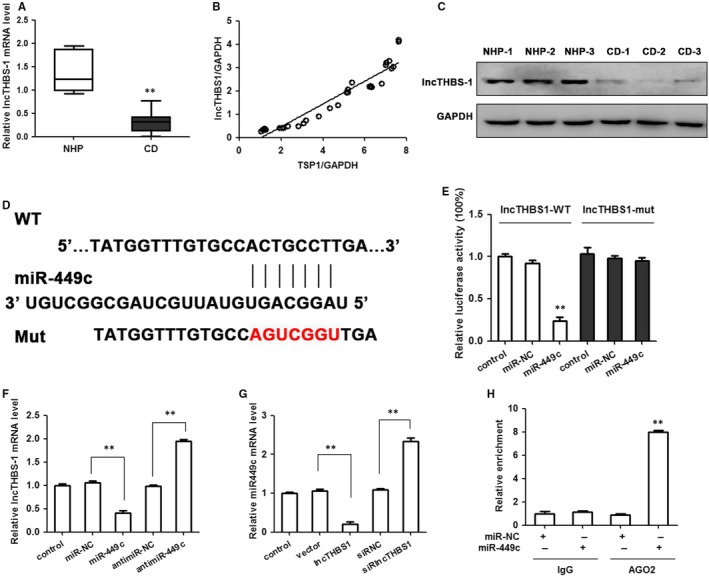
The pathogenesis of Cushing's disease, which is caused by pituitary corticotroph adenoma, remains to be studied. Secreted angioinhibitory factor thrombospondin-1 (TSP-1) is an adhesive glycoprotein that mediates cell-to-cell and cell-to-matrix interactions and is associated with platelet aggregation, angiogenesis and tumorigenesis. We have found that the expression of TSP-1 is significantly lower in human pituitary corticotroph tumours compared with normal adenohypophysis. This study aims to elucidate the role of TSP-1 in regulating the tumour function of pituitary adenomas. Forced overexpression of TSP-1 in a murine AtT20 pituitary corticotroph tumour cell line decreased corticotroph precursor hormone proopiomelanocortin (POMC) transcription and adrenocorticotropic hormone (ACTH) secretion. Functional studies showed that TSP-1 overexpression in pituitary adenoma cells suppressed proliferation, migration and invasion. We have demonstrated that TSP-1 is a direct target of miR-449c. Further study showed that miR-449c activity enhanced tumorigenesis by directly inhibiting TSP-1 expression. Low expression of lncTHBS1, along with low expression of TSP-1, was associated with the high expression of miR-449c in Cushing's disease patients. Furthermore, RNA-immunoprecipitation associates miR-449c with lncTHBS1 suggesting that lncTHBS1 might be a negative regulator of miR-449c. Taken together, this study has demonstrated that lncTHBS1 might function as competing endogenous RNA for miR-449c, which could suppress the development of Cushing's disease.
Keywords: ACTH-secreting pituitary adenomas; Cushing's disease; lncTHBS1; miR-449c; thrombospondin-1.
© 2019 The Authors. Journal of Cellular and Molecular Medicine published by John Wiley & Sons Ltd and Foundation for Cellular and Molecular Medicine.
Conflict of interest statement
The authors confirm that there are no conflicts of interest.
Figures
References
Publication types
MeSH terms
Substances
LinkOut - more resources
Full Text Sources
Miscellaneous
