


Regulation of dendritic cell function improves survival in experimental sepsis through immune chaperone
- PMID: 31018807
- PMCID: PMC6830886
- DOI: 10.1177/1753425919840423
Regulation of dendritic cell function improves survival in experimental sepsis through immune chaperone
Abstract
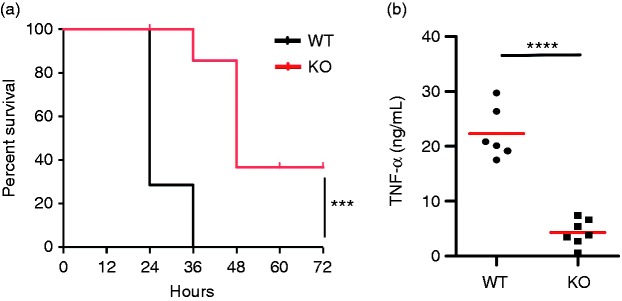
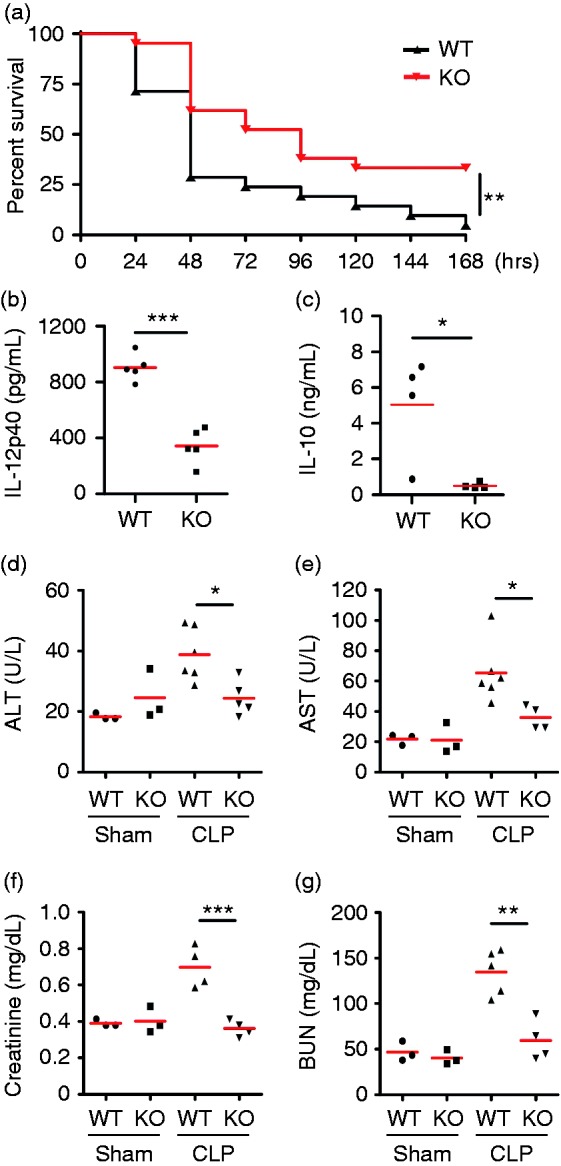
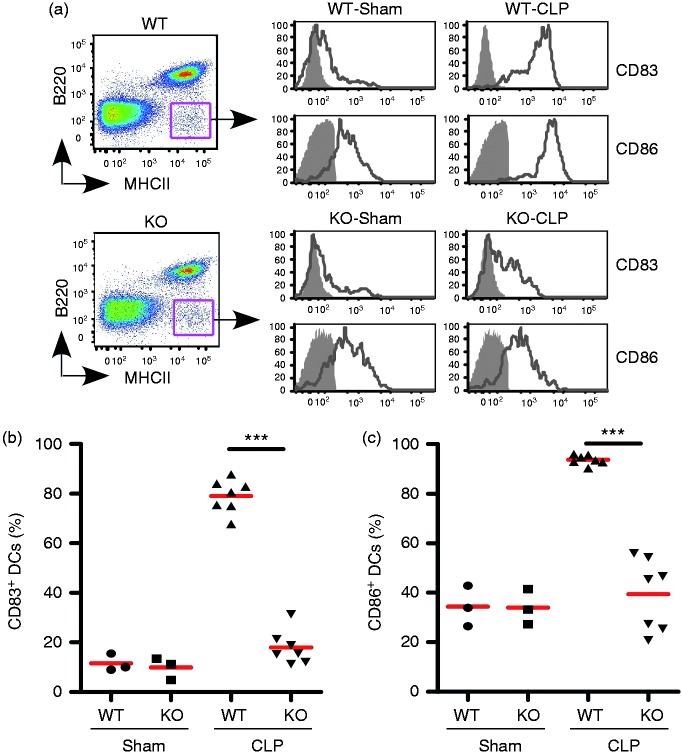
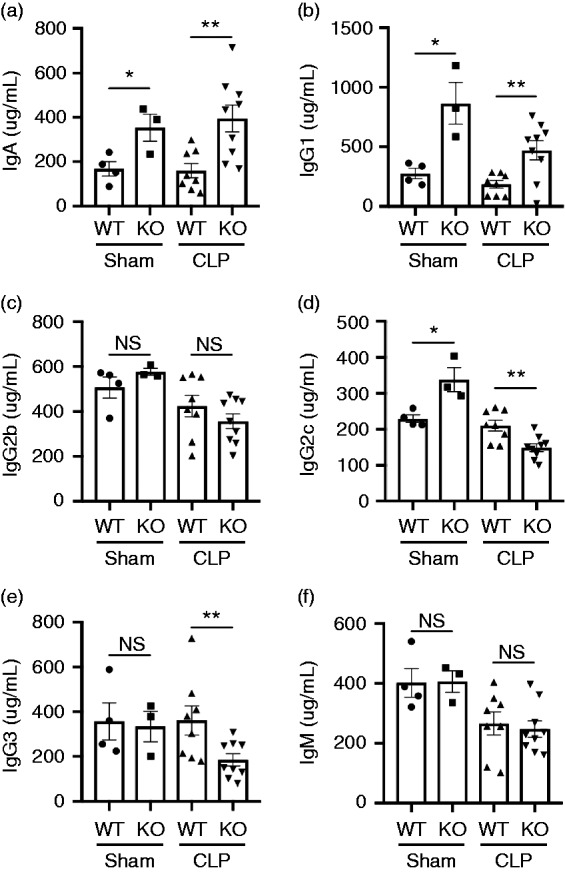
Dendritic cells (DCs) are professional Ag-presenting cells that play a critical role in both innate and adaptive immune responses. DCs recognize and respond to bacteria through multiple PRRs, including TLRs. Heat shock protein gp96/grp94 is a master essential chaperone for TLRs in the endoplasmic reticulum. We generated DC-specific gp96-knockout (KO) mice and showed that gp96 KO DCs were unable to respond to multiple TLR ligands. TLR-mediated hyperinflammatory response can lead to sepsis. However, the roles of neither DCs nor the DC-intrinsic gp96 in the process are completely understood. In a LPS-induced sepsis model, we hereby found that deletion of gp96 in DCs significantly reduced serum TNF-α levels and improved survival. Furthermore, using the well-defined polymicrobial sepsis model of cecal ligation and puncture, we found that DC-specific ablation of gp96 improved survival with significantly attenuated liver and renal injuries, decreased circulating inflammatory cytokines, altered DC maturation and activation, and increased serum Ig. Collectively, we demonstrate that deletion of gp96 in DCs is beneficial in protecting mice against sepsis induced by both endotoxemia and polymicrobial infections. We conclude that targeting gp96 in DCs may provide a potential novel approach for reducing the morbidity and mortality of sepsis.
Keywords: Dendritic cell; TLR; chaperone; gp96/grp94; sepsis.
Conflict of interest statement
The author(s) declared no potential conflicts of interest with respect to the research, authorship, and/or publication of this article.
Figures
References
-
- Kumar V, Sharma A. Innate immunity in sepsis pathogenesis and its modulation: new immunomodulatory targets revealed. J Chemother 2008; 20: 672–683. - PubMed
-
- Vega-Ramos J, Roquilly A, Asehnoune K, et al. Modulation of dendritic cell antigen presentation by pathogens, tissue damage and secondary inflammatory signals. Curr Opin Pharmacol 2014; 17: 64–70. - PubMed
-
- Steinman RM, Hawiger D, Nussenzweig MC. Tolerogenic dendritic cells. Annu Rev Immunol 2003; 21: 685–711. - PubMed
Publication types
MeSH terms
Substances
Grants and funding
LinkOut - more resources
Full Text Sources
Medical
Molecular Biology Databases
Research Materials
Miscellaneous
