


Long-term corticosteroid use and dietary advice: a qualitative analysis of the difficulties encountered by patient
- PMID: 31027493
- PMCID: PMC6486686
- DOI: 10.1186/s12913-019-4052-y
Long-term corticosteroid use and dietary advice: a qualitative analysis of the difficulties encountered by patient
Abstract
Background: Nearly 1% of the population is currently treated with long-term corticosteroid therapy. When corticosteroids are introduced, information concerning potential adverse effects and recommendations for lifestyle changes aimed at preventing such effects is provided to patients. However, studies have shown patients often do not fully comprehend the information provided and have difficulty implementing the recommended dietary and physical activity advice. In this study, we aim to highlight the difficulties encountered by patients in comprehending and implementing recommendations in the context of long-term corticosteroid use. Such information can be used to better optimize care, particularly concerning adherence to the treatment, the diet, and thus improve the quality of life of patients.
Methods: We recruited adult patients under long-term corticosteroid (≥ 3 months, ≥ 5 mg/day) treatment from both general medicine and rheumatology practices. We performed a qualitative analysis based on semi-structured interviews of these patients. Transcripts of these interviews were then compiled and analysed using a thematic approach.
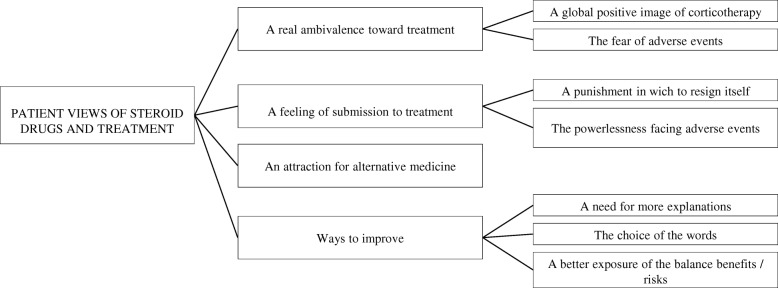
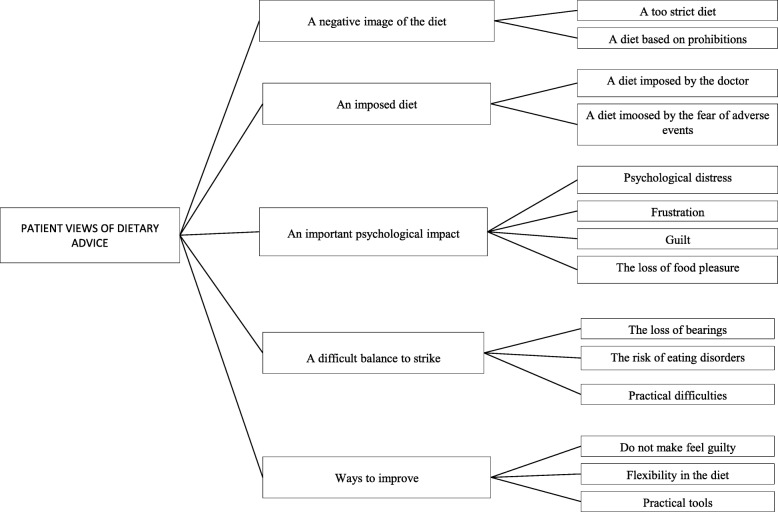
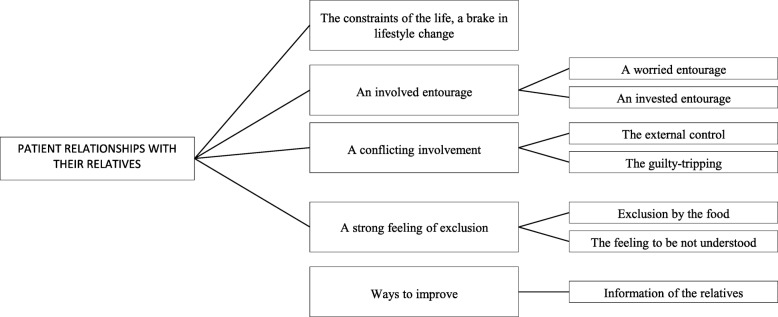
Results: Sixteen patients were included. Analysis of the interviews revealed that patients' hope for effective corticosteroid treatment was counterbalanced by concerns over potential adverse effects. In some patients, the need to respect a strict and imposed diet induced psychological distress, potentially leading to eating disorders or fear of social exclusion. Furthermore, patient ambivalence toward the therapeutic education was highlighted, as well as the notion of filtering information, conscious or unconscious, as revealed by their lack of recall. The relationship with the physician also affected the treatment experience.
Conclusion: Our analysis of the personal experience of patients regarding recommended lifestyle changes associated with long-term corticosteroid treatment highlights patient difficulties and suggests different ways of improving therapeutic education.
Keywords: Corticotherapy; Diet; Lifestyle change; Qualitative study; Therapeutic education.
Conflict of interest statement
Ethics approval and consent to participate
Ethical approval has been obtained by CLER, Local Research Ethic Committee of the University Hospital Center of Montpellier (Reference number 2017_CLER-MPT-10-01). General practitioners and specialists offered their patients undergoing corticosteroid therapy to participate in a study concerning their treatment. If they agreed to participate, they were referred to the investigator. The verbal patient consent was collected, as validated by the CLER and specified in the Jarde law in France for qualitative studies [38], at the beginning of each interview We informed each participant about the need of a vocal record to achieve an accurate transcript of the interview by this sentence: “If you agree, the interview will be recorded, but it remains completely confidential and anonymous.” As specified in the interview guide in Additional file 1.
Consent for publication
Not applicable.
Competing interests
The authors declare that they have no competing interests.
Publisher’s Note
Springer Nature remains neutral with regard to jurisdictional claims in published maps and institutional affiliations.
Figures


References
MeSH terms
Substances
LinkOut - more resources
Full Text Sources
Medical
