. 2019 Apr 2:13:1033-1047.
doi: 10.2147/DDDT.S186759. eCollection 2019.

Metabolism of remimazolam in primary human hepatocytes during continuous long-term infusion in a 3-D bioreactor system

Affiliations

Metabolism of remimazolam in primary human hepatocytes during continuous long-term infusion in a 3-D bioreactor system

Nora Freyer et al. Drug Des Devel Ther. .

Abstract

Background: Remimazolam is an ultra-short acting benzodiazepine under development for procedural sedation and general anesthesia. It is hydrolyzed by CES1 to an inactive metabolite (CNS7054).

Purpose: In this study, the effect of continuous remimazolam exposure on its metabolism and on CES1 expression was investigated in a dynamic 3-D bioreactor culture model inoculated with primary human hepatocytes.

Methods: Remimazolam was continuously infused into bioreactors for 5 days at a final concentration of 3,000 ng/ml (6.8 µM). In parallel, 2-D cultures were run with cells from the same donors, but with discontinuous exposure to remimazolam.

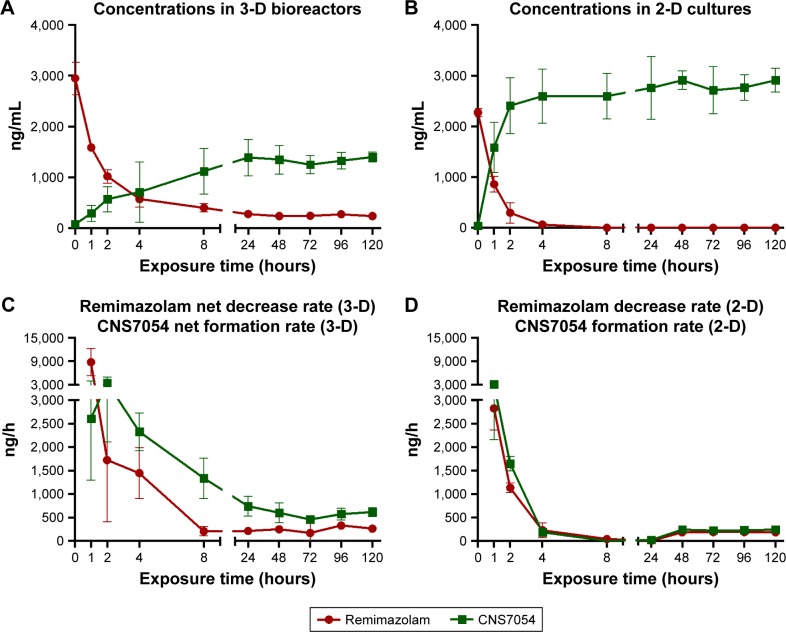
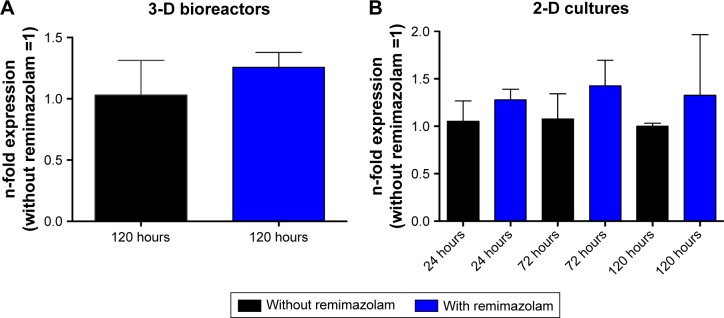
Results: Daily measurement of clinical chemistry parameters (glucose, lactate, urea, ammonia, and liver enzymes) in culture supernatants indicated no noxious effect of remimazolam on hepatocyte integrity as compared to untreated controls. Concentrations of remimazolam reached steady-state values of around 250 ng/ml within 8 hours in 3-D bioreactors whereas in 2-D cultures remimazolam concentrations declined to almost zero within the same time frame. Levels of CNS7054 showed an inverse time-course reaching average values of 1,350 ng/ml in perfused 3-D bioreactors resp. 2,800 ng/ml in static 2-D cultures. Analysis of mRNA expression levels of CES1 indicated no changes in gene expression over the culture period.

Conclusion: The results indicated a stable metabolism of remimazolam during 5 days of continuous exposure to clinically relevant concentrations of the drug. Moreover, there was no evidence for a harmful effect of remimazolam exposure on the integrity and metabolic activity of in vitro cultivated primary human hepatocytes.

Keywords: CNS7054; benzodiazepine; carboxylesterase 1; metabolite; steady state.


Figures
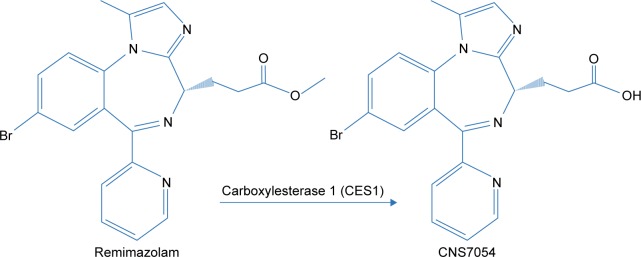
Figure 1
Figure 1
Remimazolam metabolism: the parent drug remimazolam is hydrolyzed by carboxylesterase 1 to the inactive metabolite CNS7054.
Figure 2
Figure 2
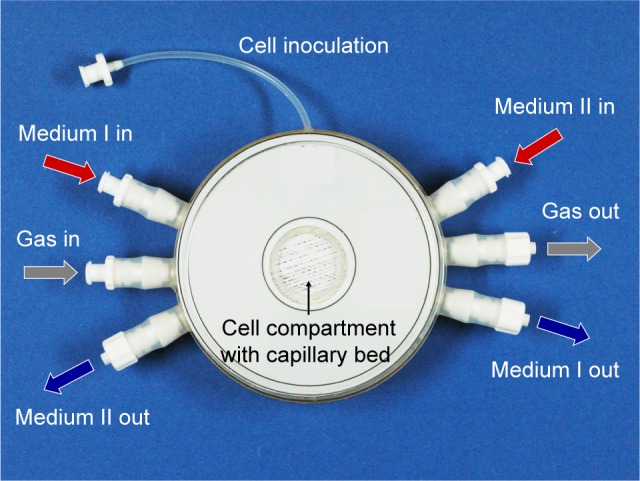
3-D bioreactor. Note: The photograph shows the bioreactor with tube connectors for two medium capillary bundles, one gas capillary bundle, and cell inoculation, a tube connected to the space between the capillaries (cell compartment).
Figure 3
Figure 3
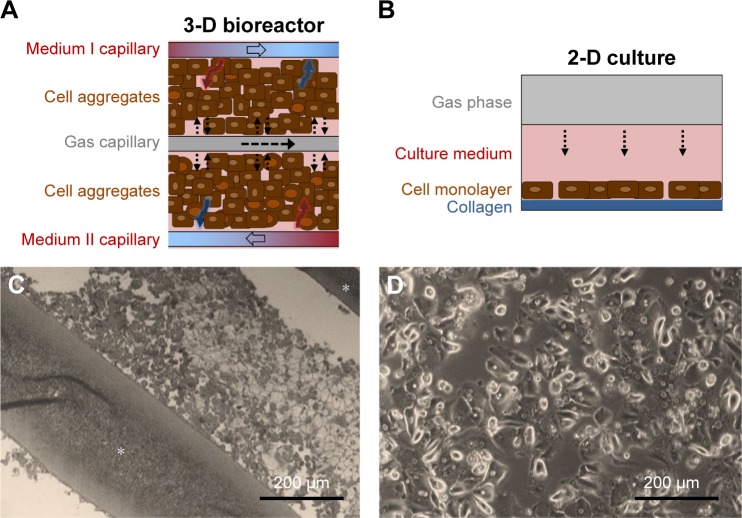
Culture of primary human hepatocytes in 3-D bioreactors and 2-D cultures. Notes: (A) Cell aggregates being cultured between the hollow-fiber capillaries of the bioreactor, providing the cells with gas and nutrients. (B) 2-D monolayer culture on collagen-coated culture vessels. Exemplary microscopy of (C) paraffin-embedded bioreactor culture and (D) 2-D monolayer culture. Hollow-fiber capillaries are marked with an asterisk.
Figure 4
Figure 4
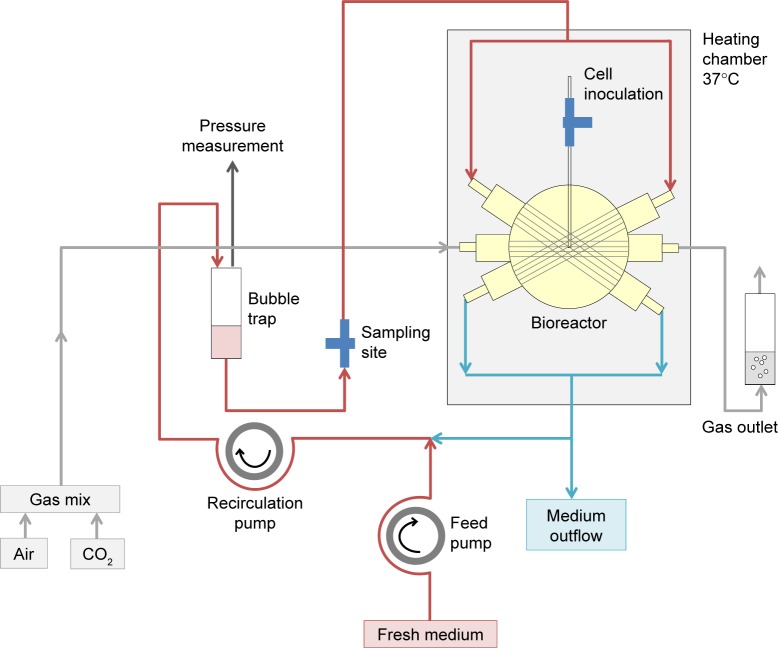
Schematic illustration of the bioreactor perfusion circuit. Notes: The tubing system contains two independent pumps for medium recirculation through the bioreactor and fresh medium feed, respectively, while rinsing out of used medium is driven by hydrostatic pressure increase (red, bioreactor-inflow tubing; blue, bioreactor-outflow tubing). The bioreactor disposes of two medium-perfusion capillary systems, which are countercurrently perfused to enhance mass exchange. Each capillary layer consists of alternating medium and oxygen capillaries, with cells being cultured in the space between the capillaries. Cells are inoculated via a separate tube line. An electronically controlled gas-mixing unit provides defined flow rates of air and CO2 and allows for regulation of gas concentrations in the supplied gas mixture (gray lines). The temperature in the bioreactor chamber is constantly kept at 37°C via an electronically controlled heating unit.
Figure 5
Figure 5
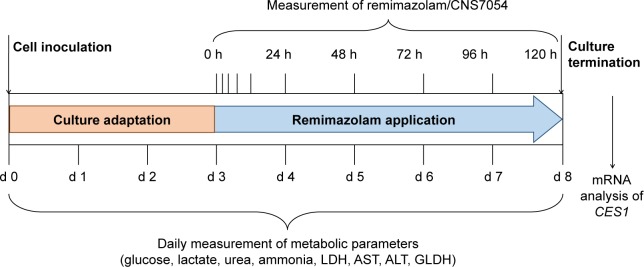
Experimental design of the study. Notes: After cell inoculation, bioreactors were first perfused with drug-free medium over 3 days for culture adaptation. From day 3 on ward, remimazolam was applied continuously until day 8 of culture. Two further bioreactors were run in parallel in each experiment: one without cells, which was perfused with remimazolam to assess possible substance loss in the system, and one with cells, but perfused without remimazolam as a negative control for detection of potential effects on cell metabolism. Abbreviations: ALT, alanine aminotransferase; AST, aspartate transaminase; GLDH, glutamate dehydrogenase; LDH, lactate dehydrogenase.
Figure 6
Figure 6
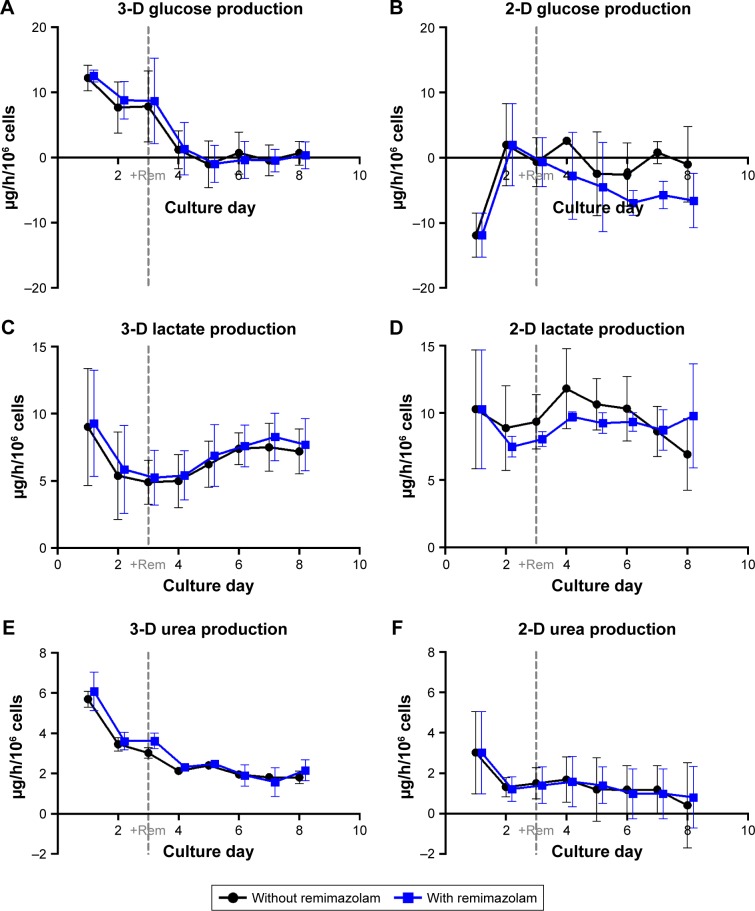
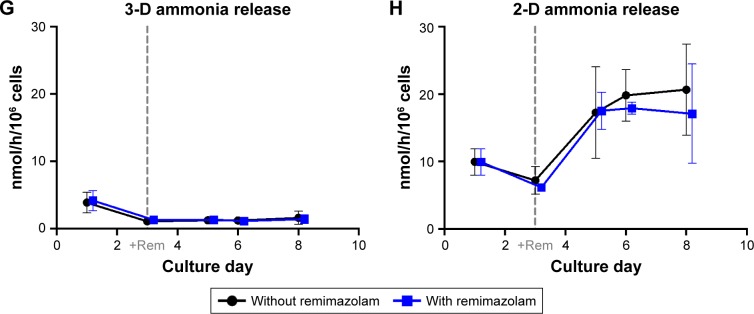
Glucose and nitrogen metabolism in primary human hepatocytes. Notes: Cells were cultured in perfused 3-D bioreactors (left column) or static 2-D cultures (right column) without (black circles) or with remimazolam (Rem) application (blue squares). (A, B) Glucose production; (C, D) lactate production; (E, F) urea production; (G, H) ammonia release; n=3, means ± SD. Underlying data can be found online at http://doi.org/10.5281/zenodo.1493510 (files Clinical_chemistry_3D_bioreactors and Clinical_chemistry_2D_cultures).
Figure 6
Figure 6
Glucose and nitrogen metabolism in primary human hepatocytes. Notes: Cells were cultured in perfused 3-D bioreactors (left column) or static 2-D cultures (right column) without (black circles) or with remimazolam (Rem) application (blue squares). (A, B) Glucose production; (C, D) lactate production; (E, F) urea production; (G, H) ammonia release; n=3, means ± SD. Underlying data can be found online at http://doi.org/10.5281/zenodo.1493510 (files Clinical_chemistry_3D_bioreactors and Clinical_chemistry_2D_cultures).
Figure 7
Figure 7
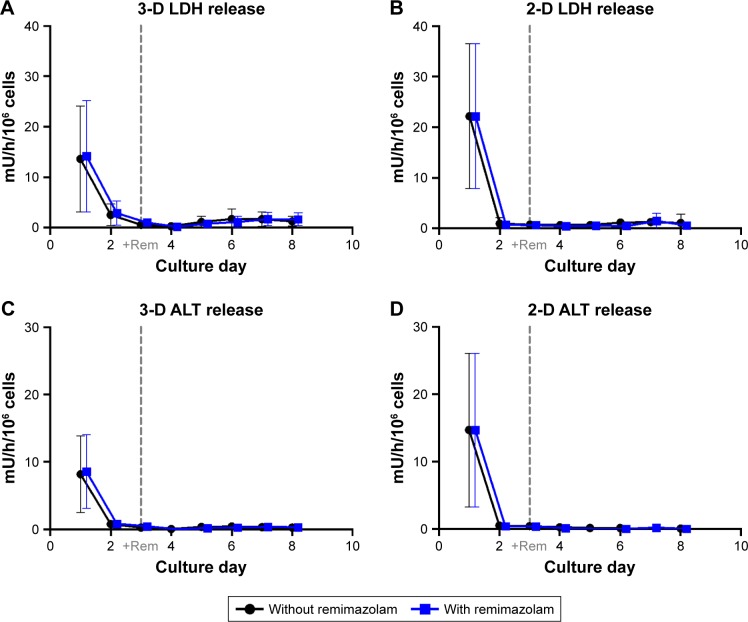
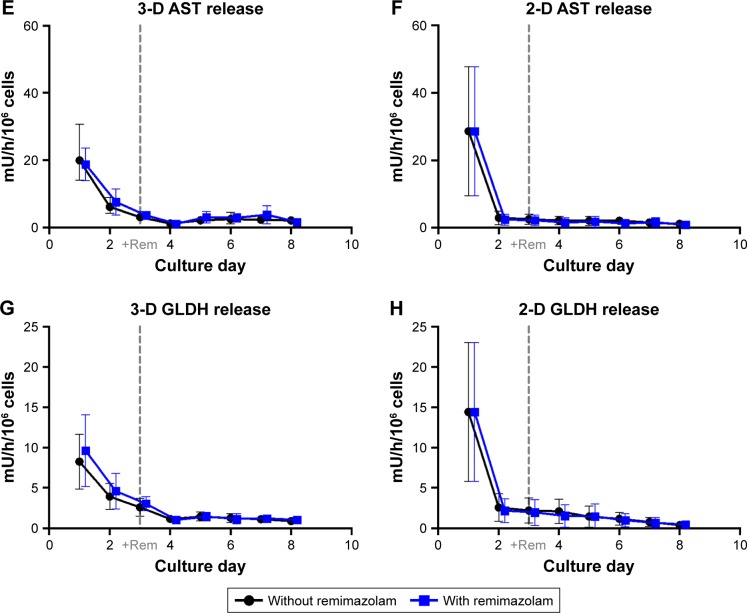
Enzyme release of primary human hepatocytes. Notes: Cells were cultured in perfused 3-D bioreactors (left column) or in static 2-D cultures (right column) without (black circles) or with remimazolam (Rem) application (blue squares). (A, B) LDH release; (C, D) ALT release; (E, F) AST release (G, H) GLDH release; n=3, means ± SD. Underlying data can be found online at http://doi.org/10.5281/zenodo.1493510 (files Clinical_chemistry_3D_bioreactors and Clinical_chemistry_2D_cultures). Abbreviations: ALT, alanine aminotransferase; AST, aspartate transaminase; GLDH, glutamate dehydrogenase; LDH, lactate dehydrogenase.
Figure 7
Figure 7
Enzyme release of primary human hepatocytes. Notes: Cells were cultured in perfused 3-D bioreactors (left column) or in static 2-D cultures (right column) without (black circles) or with remimazolam (Rem) application (blue squares). (A, B) LDH release; (C, D) ALT release; (E, F) AST release (G, H) GLDH release; n=3, means ± SD. Underlying data can be found online at http://doi.org/10.5281/zenodo.1493510 (files Clinical_chemistry_3D_bioreactors and Clinical_chemistry_2D_cultures). Abbreviations: ALT, alanine aminotransferase; AST, aspartate transaminase; GLDH, glutamate dehydrogenase; LDH, lactate dehydrogenase.
Figure 8
Figure 8
Remimazolam metabolism in primary human hepatocytes. Notes: Concentrations of remimazolam and CNS7054 in (A) 3-D bioreactor circuit or (B) 2-D culture supernatants. Decrease rates of remimazolam and corresponding formation rates of CNS7054 in (C) 3-D bioreactors or (D) 2-D cultures; n=3, means ± SD. Underlying data can be found online at http://doi.org/10.5281/zenodo.1493510 (files Remimazolam_2D_cultures and Remimazolam_3D_bioreactors).
Figure 9
Figure 9
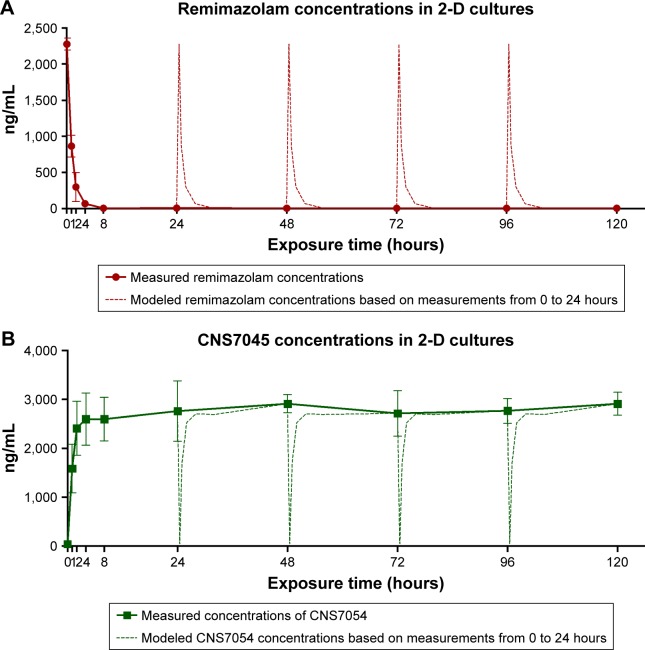
Modeled time courses of remimazolam metabolism in 2-D cultures. Notes: Measured concentrations (solid lines) of (A) remimazolam and (B) CNS7054 in 2-D cultures with primary human hepatocytes and time courses modeled on the basis of measured concentrations (dotted lines); n=3, means ± SD. Underlying data can be found online at http://doi.org/10.5281/zenodo.1493510 (file Remimazolam_2D_cultures).
Figure 10
Figure 10
CES1 expression in primary human hepatocytes. Notes: Cells were cultured in 3-D bioreactors or 2-D cultures for up to 120 hours after starting remimazolam application. (A) Cells cultured in 3-D bioreactors were harvested after 120 hours for mRNA expression analysis. (B) Samples from 2-D cultures were taken after 24 hours, 72 hours, and 120 hours from individual wells. Expression of CES1 was normalized to that of the housekeeping gene GAPDH, and fold changes in expression levels of remimazolam-treated cultures compared to untreated control cultures of respective time points were calculated with the ΔΔCt method; n=3, means ± SD. Underlying data can be found online at http://doi.org/10.5281/zenodo.1493510 (file Gene_expression).

References

    1. Kilpatrick GJ, McIntyre MS, Cox RF, et al. CNS 7056: a novel ultra-short-acting benzodiazepine. Anesthesiology. 2007;107(1):60–66. - PubMed
    1. Hosokawa M. Structure and catalytic properties of carboxylesterase isozymes involved in metabolic activation of prodrugs. Molecules. 2008;13(2):412–431. - PMC - PubMed
    1. Antonik LJ, Goldwater DR, Kilpatrick GJ, Tilbrook GS, Borkett KM. A placebo- and midazolam-controlled phase I single ascending-dose study evaluating the safety, pharmacokinetics, and pharmacodynamics of remimazolam (CNS 7056): Part I. safety, efficacy, and basic pharmacokinetics. Anesth Analg. 2012;115(2):274–283. - PubMed
    1. Borkett KM, Riff DS, Schwartz HI, et al. A phase IIA, randomized, double-blind study of remimazolam (CNS 7056) versus midazolam for sedation in upper gastrointestinal endoscopy. Anesth Analg. 2015;120(4):771–780. - PubMed
    1. Pambianco DJ, Borkett KM, Riff DS, et al. A phase IIb study comparing the safety and efficacy of remimazolam and midazolam in patients undergoing colonoscopy. Gastrointest Endosc. 2016;83(5):984–992. - PubMed

MeSH terms