


The incidence of idiopathic intracranial hypertension in Scotland: a SOSU study
- PMID: 31040381
- PMCID: PMC7002681
- DOI: 10.1038/s41433-019-0450-y
The incidence of idiopathic intracranial hypertension in Scotland: a SOSU study
Abstract
Background: Idiopathic intracranial hypertension most commonly affects women of childbearing age and usually causes headache and intermittent visual obscurations. Some patients suffer permanent visual loss. The major modifiable risk factor associated with IIH is obesity. Scotland has one of the poorest records for obesity in the western world, with a prevalence in 2016 of 29% in the adult population. We aimed to establish the incidence of idiopathic intracranial hypertension (IIH) in Scotland.
Methods: All new cases of IIH seen in Scotland were collected over a 1-year period. Cases were reported by ophthalmologists through the Scottish Ophthalmic Surveillance Unit (SOSU) and by neurologists directly to the investigators using encrypted NHS emails. An open dialogue was maintained between the investigators and specialist neuro-ophthalmology clinics throughout the year to minimise the risk of under-reporting. Cases were defined using the Modified Dandy Diagnostic Criteria.
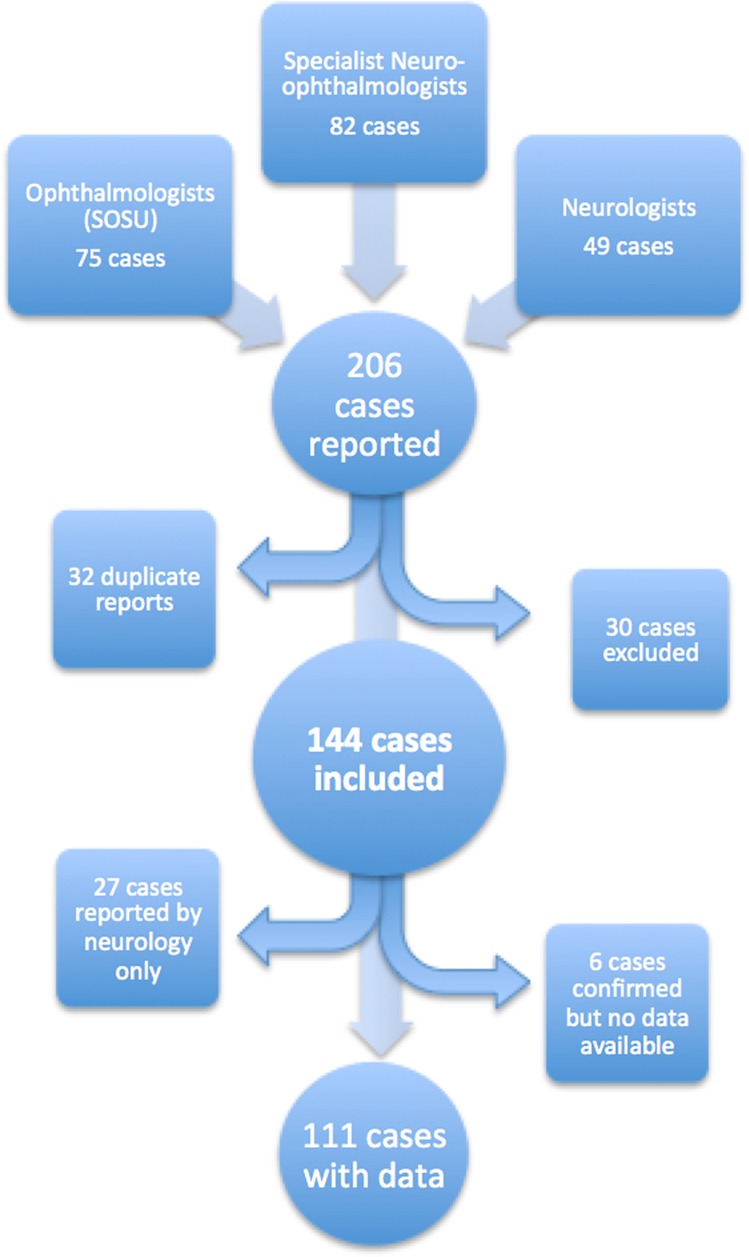
Results: One hundred and forty-four confirmed cases of IIH were reported. One hundred and ten out of 144 patients were female and aged 15-44. The mean BMI in this group was 38.9.
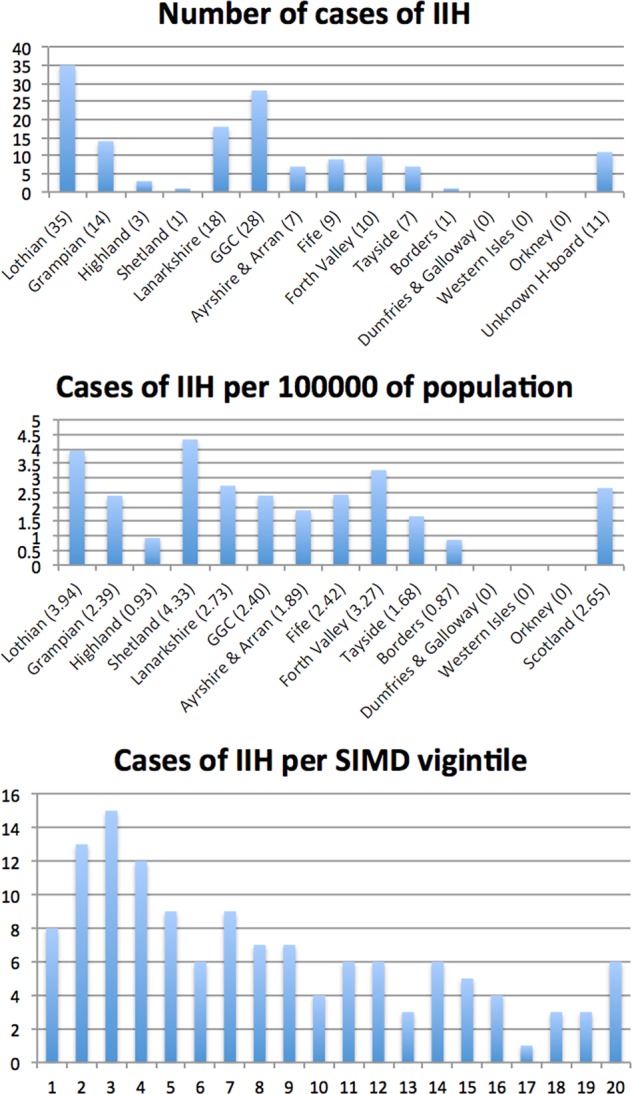
Conclusions: The incidence of IIH in Scotland is at least 2.65/100,000. This figure rises to 37.9/100,000 in obese females aged 15-44. This figure is higher than previously published and is probably a result of increasing levels of obesity across the nation. The significant morbidity caused by IIH, in this young population raises the question of whether enough is being done to prevent and treat Scotland's obesity crisis.
Conflict of interest statement
The authors declare that they have no conflict of interest.
Figures
References
Publication types
MeSH terms
LinkOut - more resources
Full Text Sources
