


Body Composition and Body Weight Changes at Different Altitude Levels: A Systematic Review and Meta-Analysis
- PMID: 31057421
- PMCID: PMC6477059
- DOI: 10.3389/fphys.2019.00430
Body Composition and Body Weight Changes at Different Altitude Levels: A Systematic Review and Meta-Analysis
Abstract
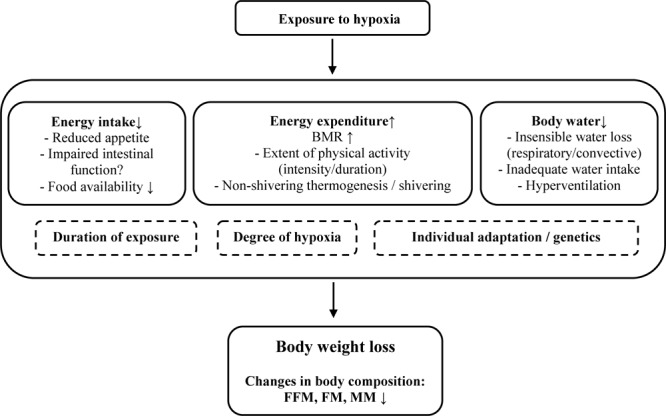
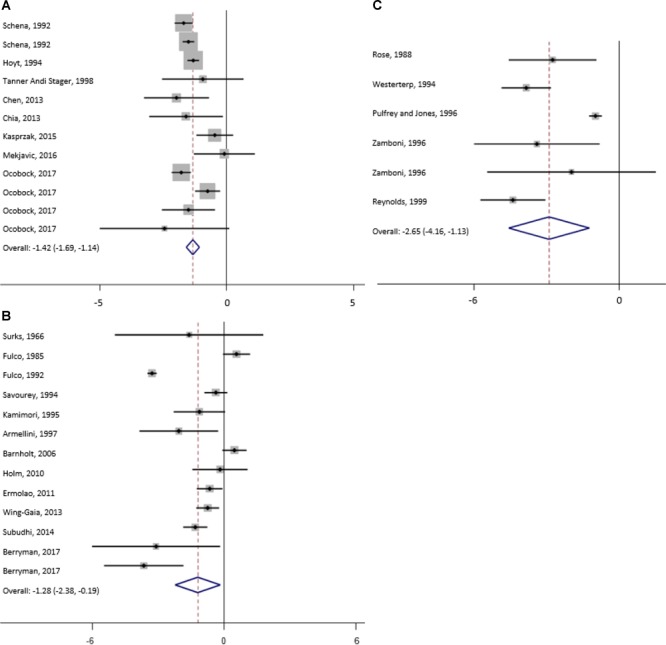
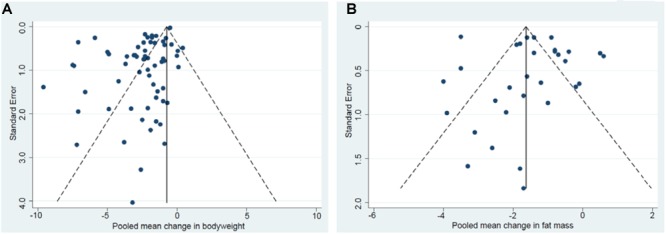
Changes in body composition and weight loss frequently occur when humans are exposed to hypoxic environments. The mechanisms thought to be responsible for these changes are increased energy expenditure resulting from increased basal metabolic rate and/or high levels of physical activity, inadequate energy intake, fluid loss as well as gastrointestinal malabsorption. The severity of hypoxia, the duration of exposure as well as the level of physical activity also seem to play crucial roles in the final outcome. On one hand, excessive weight loss in mountaineers exercising at high altitudes may affect performance and climbing success. On the other, hypoxic conditioning is presumed to have an important therapeutic potential in weight management programs in overweight/obese people, especially in combination with exercise. In this regard, it is important to define the hypoxia effect on both body composition and weight change. The purpose of this study is to define, through the use of meta-analysis, the extent of bodyweight -and body composition changes within the three internationally classified altitude levels (moderate altitude: 1500-3500 m; high altitude: 3500-5300 m; extreme altitude: >5300 m), with emphasis on physical activity, nutrition, duration of stay and type of exposure.
Keywords: body composition; exercise; high altitude; hypoxia; nutrition; weight loss.
Figures
References
-
- Baggish A. L., Wolfel E. E. (2014). “Cardiovascular system,” in High Altitude: Human Adaptation to Hypoxia 1 Edn eds Swenson E. R., Bärtsch P. (New York, NY: Springer; ) 103–139. 10.1007/978-1-4614-8772-2_6 - DOI
-
- Barnholt K. E., Hoffman A. R., Rock P. B., Muza S. R., Fulco C. S., Braun B., et al. (2006). Endocrine responses to acute and chronic high-altitude exposure (4,300 meters): modulating effects of caloric restriction. Am. J. Physiol. Endocrinol. Metab. 290 E1078–E1088. 10.1152/ajpendo.00449.2005 - DOI - PubMed
Publication types
LinkOut - more resources
Full Text Sources
