Nutritional Aspects of Depression in Adolescents - A Systematic Review
- PMID: 31057727
- PMCID: PMC6484557
- DOI: 10.4103/ijpvm.IJPVM_400_18
Nutritional Aspects of Depression in Adolescents - A Systematic Review
Abstract
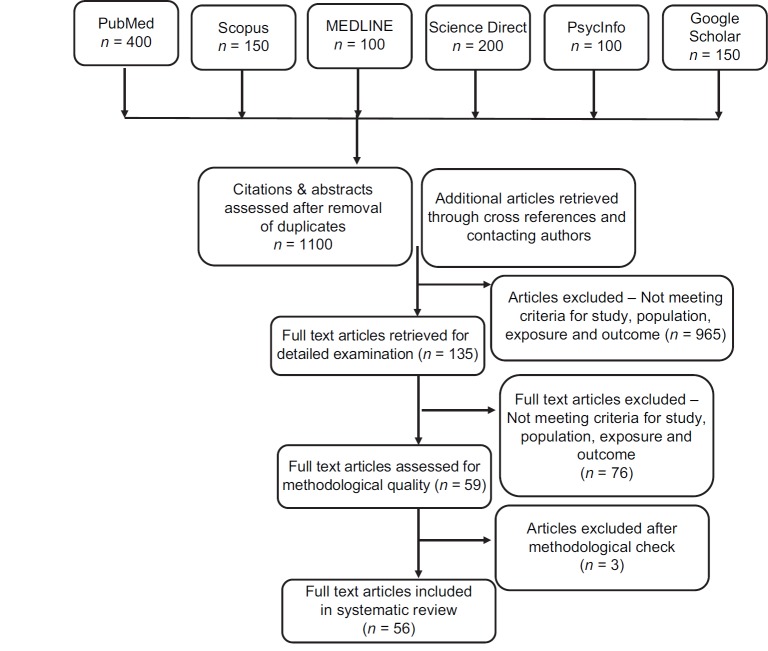
Depression is defined as a cluster of specific symptoms with associated impairment affecting 7.4% of the adolescents globally. As part of the systematic review, around 1000 relevant articles published between January 1978 and December 2017 were identified by systematic online search from 6 electronic databases (PubMed, PsycInfo, Science Direct, MEDLINE, Scopus, and Google Scholar) and overall, 56 relevant studies were included in the current review as per the inclusion criteria. Findings highlight the potential importance of the relationship between healthy dietary patterns or quality and positive mental health throughout life span. Various nutrition and dietary compounds have been suggested to be involved in the onset maintenance and severity of depressive symptoms and disorders. Nutritional compounds might modulate depression associated biomarkers. In this context, several healthy foods such as olive oil, fish, nuts, legumes, dairy products, fruits, and vegetables have been inversely associated with the risk of depression and might also improve symptoms. In contrast western dietary patterns including the consumption of sweetened beverages, fried foods, processed meats, baked products have been shown to be associated with an increased risk of depression in longitudinal studies. Diet and nutrition offer key modifiable targets for the prevention of mental disorders. Evidence is steadily growing for the relation between nutrition deficiencies, diet quality and mental health and for the efficacy and use of nutritional supplements to address deficiencies or as augmentation therapies. We advocate recognition of diet and nutrition as crucial factors in prevention and management of mental disorders.
Keywords: Adolescents; depression; diet; mental health; nutritional neuroscience; systematic review.
Conflict of interest statement
There are no conflicts of interest.
Figures
References
-
- Mokdad AH, Forouzanfar MH, Daoud F, Mokdad AA, El Bcheraoui C, Moradi-Lakeh M, et al. Global burden of diseases, injuries, and risk factors for young people's health during 1990-2013: A systematic analysis for the global burden of disease study 2013. Lancet. 2016;387:2383–401. - PubMed
-
- Lewinsohn PM, Pettit JW, Joiner TE, Jr, Seeley JR. The symptomatic expression of major depressive disorder in adolescents and young adults. J Abnorm Psychol. 2013;112:244–52. - PubMed
-
- Thapar A, Collishaw S, Potter R, Thapar AK. Managing and preventing depression in adolescents. BMJ. 2010;340:c209. - PubMed
-
- Birmaher B, Williamson DE, Dahl RE, Axelson AD, Kaufman J, Dorn DL, et al. Clinical presentation and course of depression in youth: Does onset in childhood differ from onset in adolescence? J Am Acad Child Adolesc Psychiatry. 2004;43:63–70. - PubMed
-
- Leaf PJ, Alegria M, Cohen P, Goodman SH, Horwitz SM, Hoven CW, et al. Mental health service use in the community and schools: Results from the four-community MECA Study. Methods for the epidemiology of child and adolescent mental disorders study. J Am Acad Child Adolesc Psychiatry. 1996;35:889–97. - PubMed
Publication types
LinkOut - more resources
Full Text Sources
Research Materials