


Transanal high pressure barotrauma causing colorectal injuries: a case series
- PMID: 31060601
- PMCID: PMC6503442
- DOI: 10.1186/s13256-019-2067-y
Transanal high pressure barotrauma causing colorectal injuries: a case series
Abstract
Background: Rectal perforation by foreign bodies is known; however, high-pressure injury leading to rectal blowout has been confined to battlefields and is less often encountered in general medical practice. Apart from iatrogenic injuries during colonoscopy, barotrauma from compressed air is encountered very less frequently. Owing to the infrequent nature of these injuries, the mechanism is still not well understood. We present our experience with treating high-pressure transanal barotrauma to the rectum and colon in three similar cases.
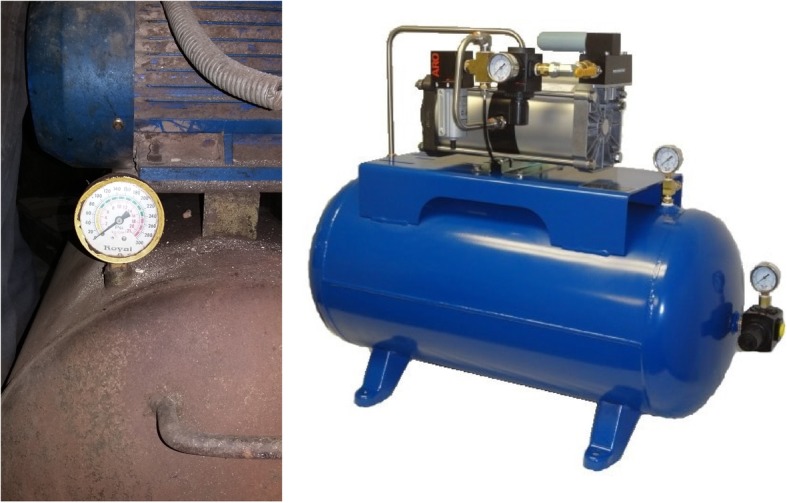
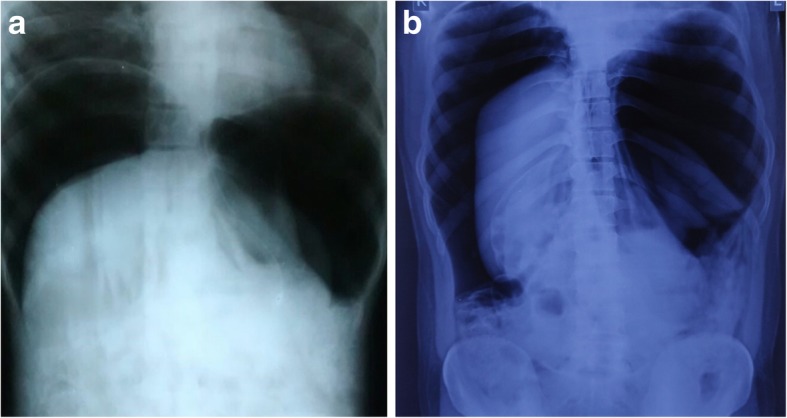
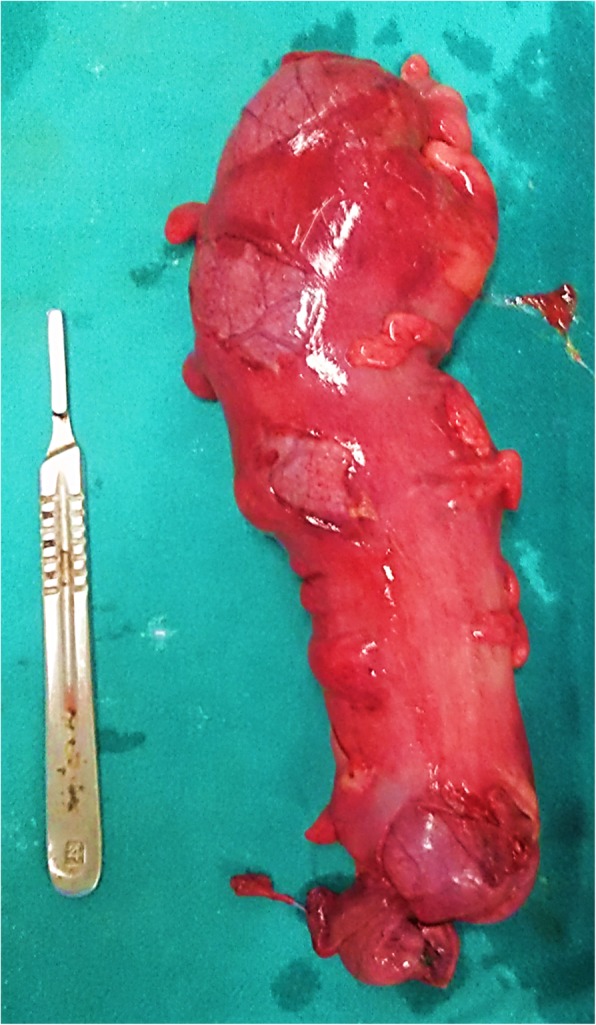
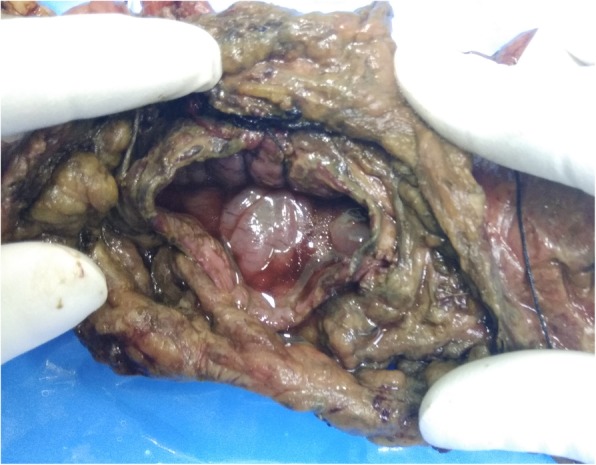
Case presentation: The mode of injury was accidental or a cruel, perverted joke played by acquaintances. The high-pressure air jet column overcomes the anal sphincter barrier, pushing enormous amounts of air through the anus into the bowel, which ruptures when the burst pressure is reached. A huge amount of free gas was noted in the peritoneal cavity on x-rays, and a big gush was noted during surgery. All these cases had rectosigmoid junction blowout with multiple colonic injuries. The patients underwent exploratory laparotomy with resection of severely injured segments and proximal ileostomy. They underwent restoration of bowel continuity after 2-3 months and were doing well in follow-up.
Conclusions: Colorectal injuries by pneumatic insufflation through the anus depends on the air pressure, air flow velocity, anal resting pressure, and the distance between the source and anus. The relative fixity of the rectum and the bends of the sigmoid make the rectosigmoid junction more prone to rupture by high-pressure air jet. Education regarding such machines and their safe use must be encouraged because most of these cases are accidental and due to ignorance.
Keywords: Barotrauma; Colorectal; Compressed air; Rectosigmoid; Transanal.
Conflict of interest statement
Ethics approval and consent to participate
N.A.
Consent for publication
Written informed consent was obtained from the patient for publication of this case report and any accompanying images. A copy of the written consent is available for review by the Editor-in-Chief of this journal.
Competing interests
The authors declare that they have no competing interests.
Publisher’s Note
Springer Nature remains neutral with regard to jurisdictional claims in published maps and institutional affiliations.
Figures

References
-
- Stone GW. Rupture of the bowel caused by compressed air. Lancet. 1904;2:216. doi: 10.1016/S0140-6736(01)03460-2. - DOI
Publication types
MeSH terms
LinkOut - more resources
Full Text Sources
Medical
