


A prospective, randomised controlled trial evaluating the effectiveness of the fluid immersion simulation system vs an air-fluidised bed system in the acute postoperative management of pressure ulcers: A midpoint study analysis
- PMID: 31063659
- PMCID: PMC7948565
- DOI: 10.1111/iwj.13133
A prospective, randomised controlled trial evaluating the effectiveness of the fluid immersion simulation system vs an air-fluidised bed system in the acute postoperative management of pressure ulcers: A midpoint study analysis
Abstract
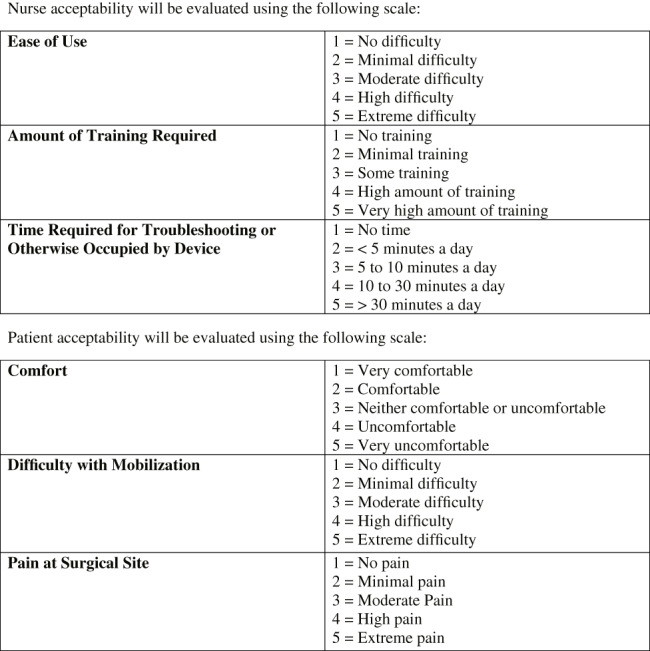
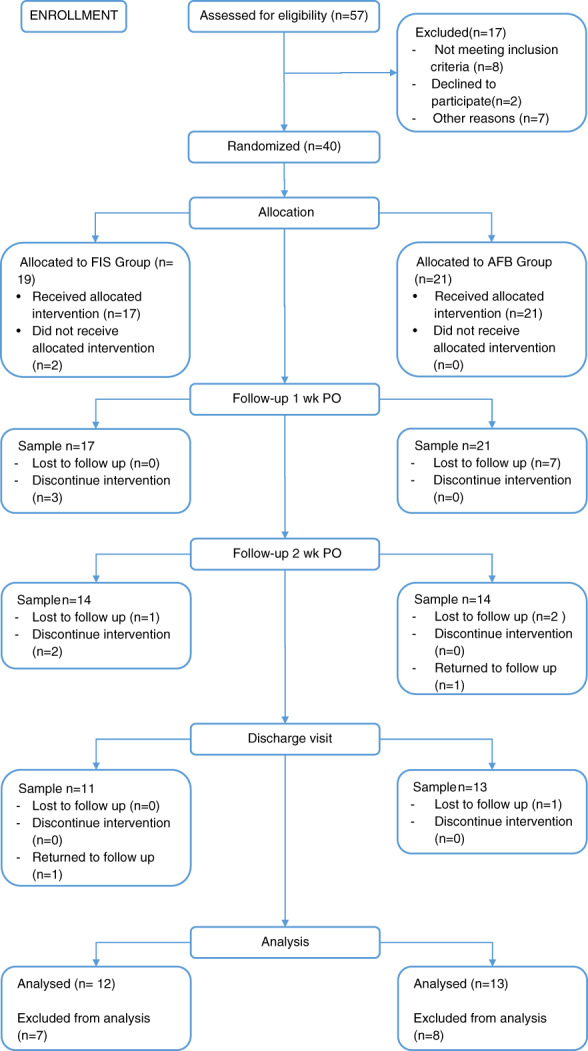
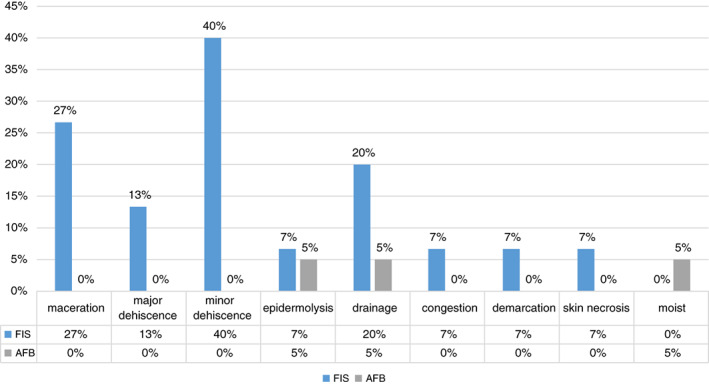
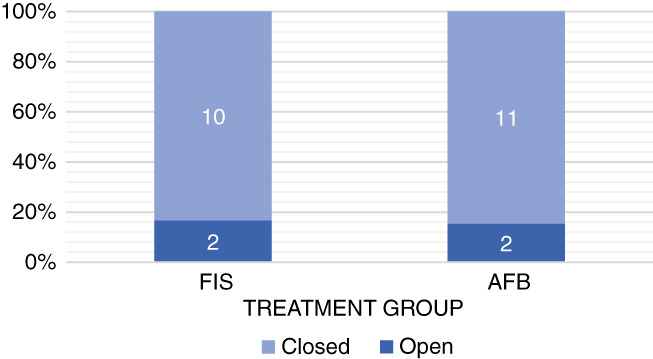
The use of pressure-offloading support surfaces is considered the standard of care for pressure ulcers (PUs) by most surgeons. The fluid immersion simulation system (FIS) has shown significant results in previous studies. We compared it, for the first time, with a representative air-fluidised bed (AFB) for outcomes related to post-surgical flap closures. This trial was performed over 25 months, in which 40 subjects between 18 and 85 years of age with ≤2 PUs and history of <3 surgical closures underwent reconstruction by one surgeon. Subjects were randomly assigned to either treatment group for 2 weeks after closure. The primary endpoint was success of closure after the study period. Secondary endpoints included incidence of complications and nursing and patient acceptability of the device. The FIS group included 19 subjects, and the AFB group included 21. Flap failure rate was similar between groups (15% vs 17%; P = .99). The Minor complications rate, particularly dehiscence, was higher in the FIS group (66.7% vs 15%; P = .02). Nurse and patient self-reported acceptability had better mean numeric scores in the FIS compared with AFB (nurse: 1.5 vs 1.9; P = .12; patient: 1.9 vs 2.2; P = .14). Further analysis will be conducted to gain better insight on the FIS as an alternative treatment for PUs.
Keywords: air-fluidised bed; complications; fluid immersion simulation system; pressure ulcers; surgical flap closure.
© 2019 Medicalhelplines.com Inc and John Wiley & Sons Ltd.
Conflict of interest statement
The Principal Investigator, RDG, has been a consultant for Hill Rom, manufacturer of the AFB used as a comparator in this study.
Figures
References
-
- National Pressure Ulcer Advisory Panel, European Pressure Ulcer Advisory Panel and Pan Pacific Pressure Injury Alliance . In: Haesler E, ed. Prevention and Treatment of Pressure Ulcers: Quick Reference Guide. Perth, Australia: Cambridge Media; 2014.
-
- Allman RM. Pressure ulcers among the elderly. N Engl J Med. 1989;320(13):850‐853. - PubMed
-
- VanGilder C, MacFarlane G, Meyer S, Lachenbruch C. Body mass index, weight, and pressure ulcer prevalence: an analysis of the 2006‐2007 international pressure ulcer prevalence surveys. J Nurs Care Qual. 2009;24(2):127‐135. - PubMed
-
- Kottner J, Gefen A, Lahmann N. Weight and pressure ulcer occurrence: a secondary data analysis. Int J Nurs Stud. 2011;48(11):1339‐1348. - PubMed
Publication types
MeSH terms
Grants and funding
LinkOut - more resources
Full Text Sources
Medical
