


Hollow Fiber Oxygenator Composition Has a Significant Impact on Failure Rates in Neonates on Extracorporeal Membrane Oxygenation: A Retrospective Analysis
- PMID: 31073461
- PMCID: PMC6260321
- DOI: 10.1055/s-0037-1599150
Hollow Fiber Oxygenator Composition Has a Significant Impact on Failure Rates in Neonates on Extracorporeal Membrane Oxygenation: A Retrospective Analysis
Abstract
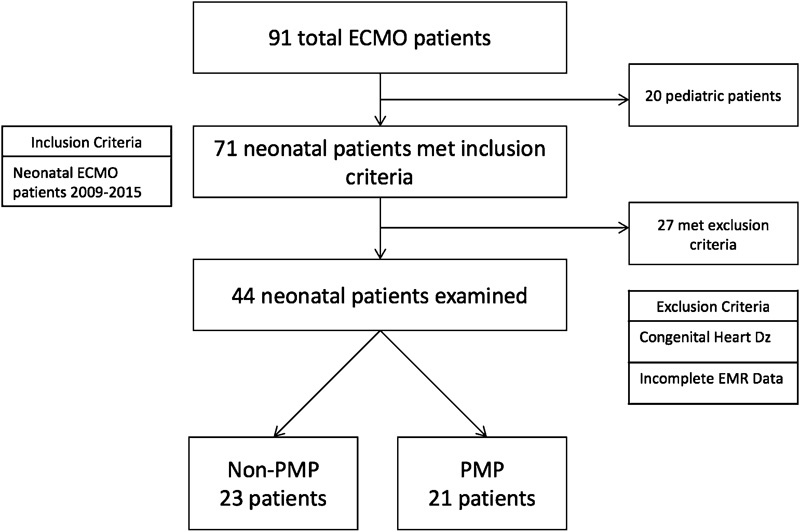
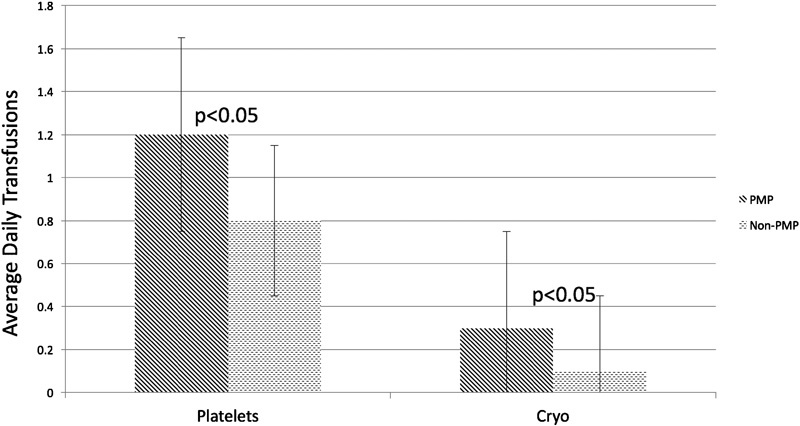
In extracorporeal life support (ECLS), there are two main types of oxygenators in clinical use for neonates: polymethylpentene (PMP) hollow fiber and polypropylene (PP) hollow fiber. A retrospective study was performed on neonates ( n = 44) who had undergone ECLS for noncardiac indications from 2009 to 2015. Between the two groups (PMP n = 21, PP n = 23), the PP oxygenators failed 91% of the time, whereas the PMP oxygenators failed 43% of the time ( p < 0.05). Analysis suggests PMP oxygenators are less prone to failure than PP oxygenators, and they require fewer number of oxygenator changes during a neonatal ECLS.
Keywords: complications; extracorporeal membrane oxygenation; neonatal; oxygenator.
Figures
References
-
- Rycus P. Message to John Daniel; 2016. Re: ELSO Database Question.
-
- Fuhrman B P. Philadelphia, PA: Elsevier Saunders; 2011. Pediatric Critical care. 4th ed.
-
- Wickramasinghe S R, Han B. Designing microporous hollow fibre blood oxygenators. Chem Eng Res Des. 2005;83(03):256–267.
-
- Shimono T, Shomura Y, Hioki I et al. Silicone-coated polypropylene hollow-fiber oxygenator: experimental evaluation and preliminary clinical use. Ann Thorac Surg. 1997;63(06):1730–1736. - PubMed
-
- Puis L, Ampe L, Hertleer R. Case report: plasma leakage in a polymethylpentene oxygenator during extracorporeal life support. Perfusion. 2009;24(01):51–52. - PubMed
LinkOut - more resources
Full Text Sources
Miscellaneous
