


Collagen Peptide Upregulates Osteoblastogenesis from Bone Marrow Mesenchymal Stem Cells through MAPK- Runx2
- PMID: 31083501
- PMCID: PMC6562845
- DOI: 10.3390/cells8050446
Collagen Peptide Upregulates Osteoblastogenesis from Bone Marrow Mesenchymal Stem Cells through MAPK- Runx2
Abstract
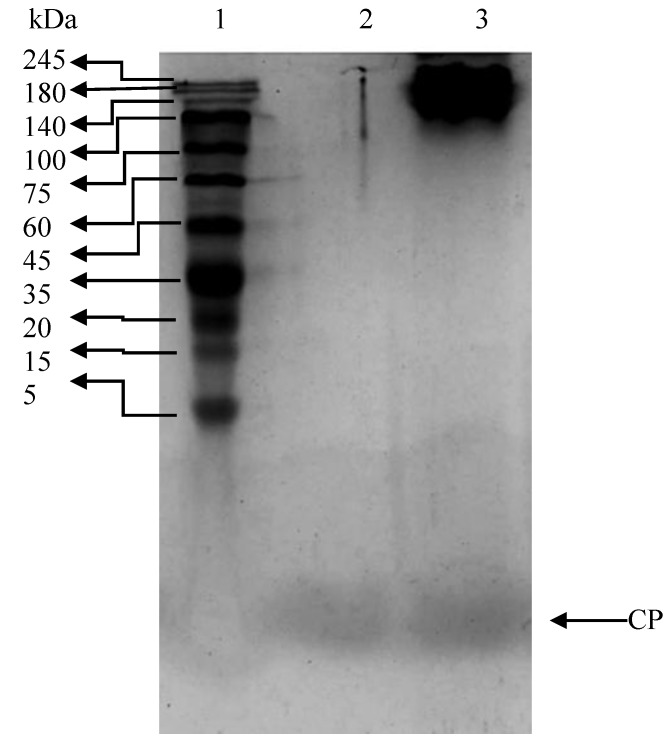
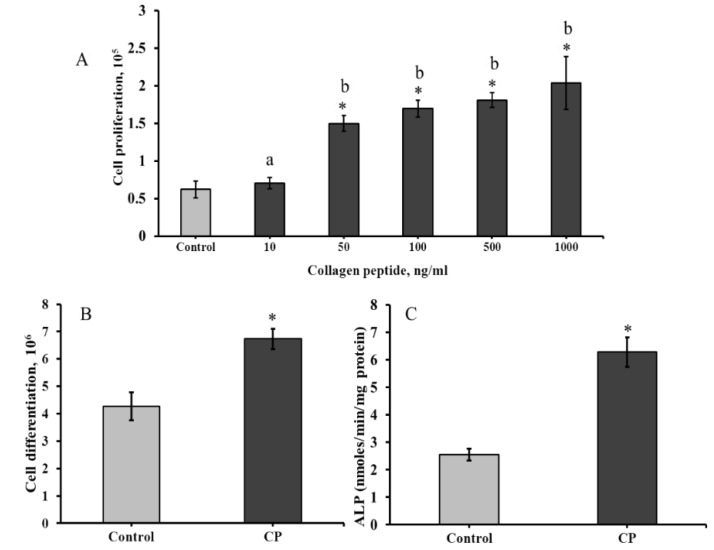
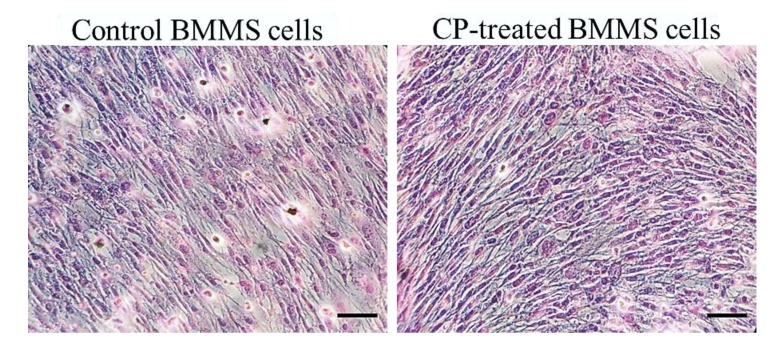
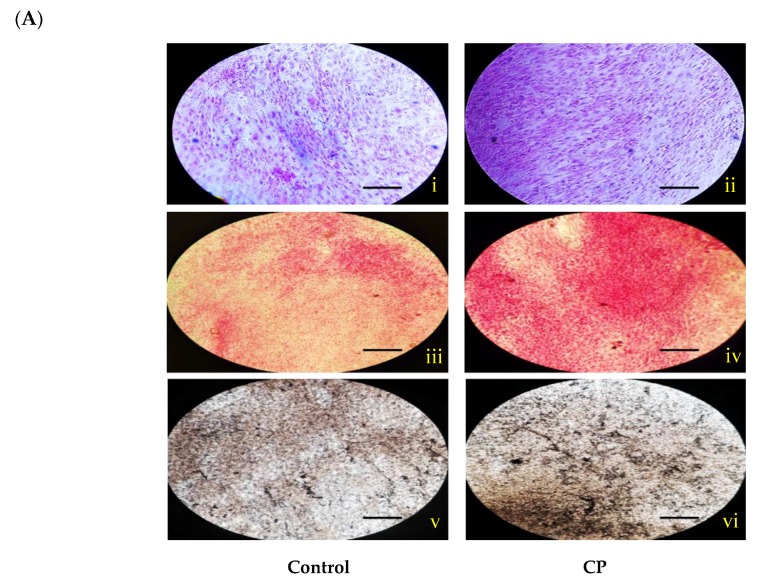
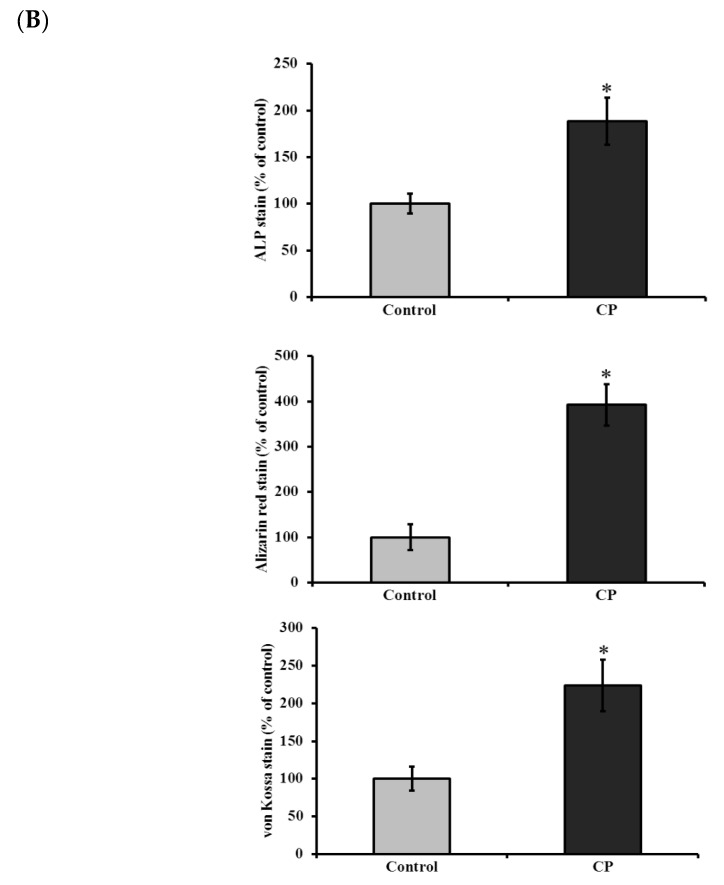
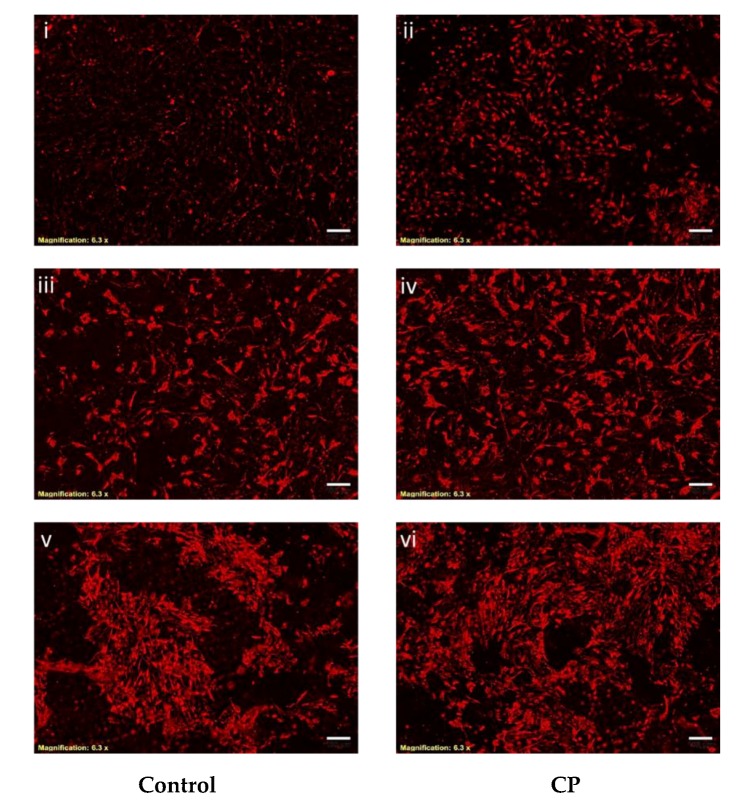
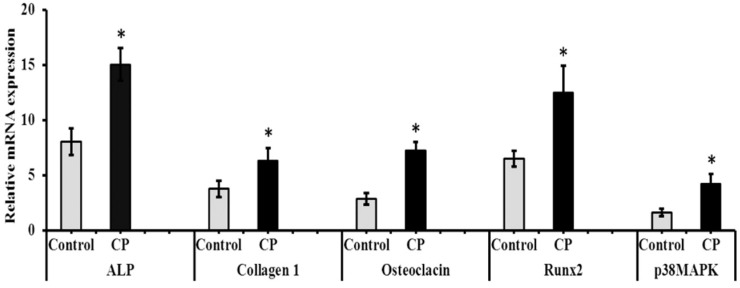
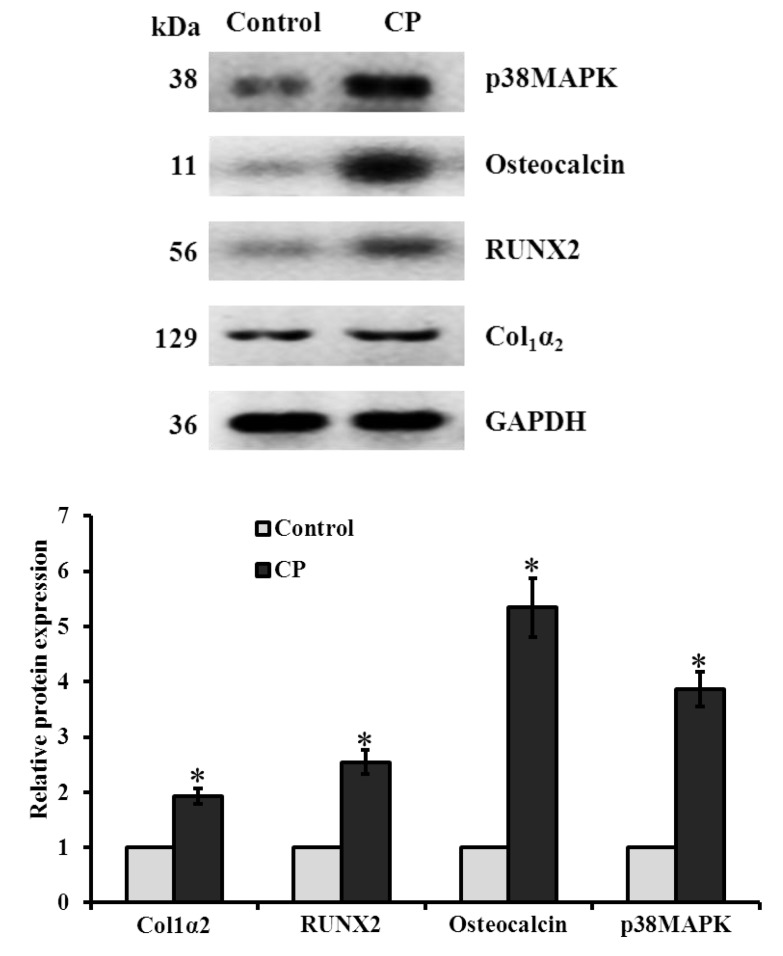
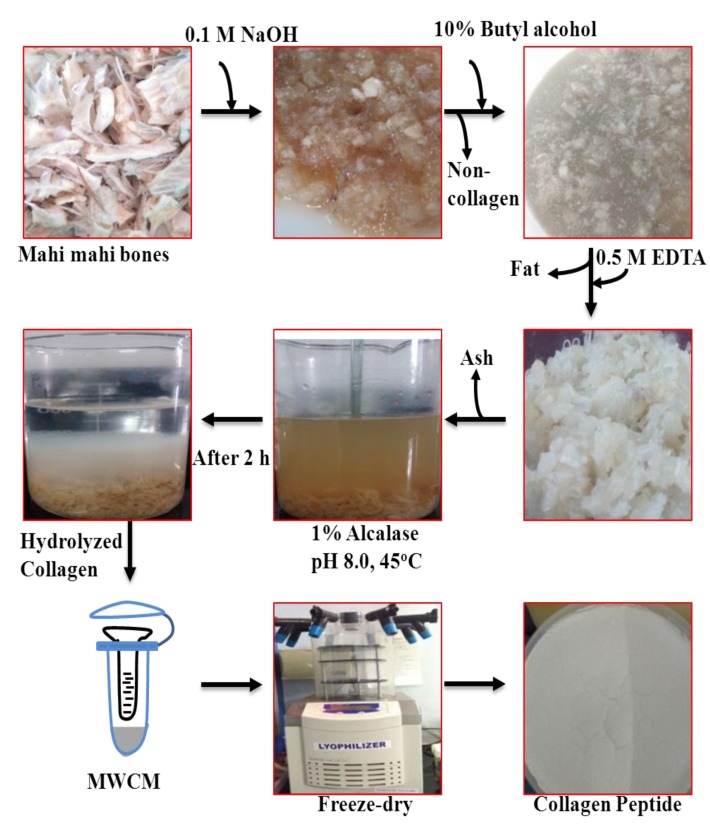
Collagen is the most abundant extracellular fibrous protein that has been widely used for biomedical applications due to its excellent biochemical and biocompatibility features. It is believed that the smaller molecular weight collagen, i.e., collagen peptide (CP), has more potent activity than native collagen. However, the preparation of CP from fish bone collagen is a complex and time-consuming process. Additionally, the osteogenic effect of CP depends on its molecular weight and amino acid composition. Considering the above concept, the present work was undertaken to extract the CP directly from Mahi mahi fish (Coryphaena hippurus) bones and test its osteogenic potential using bone marrow mesenchymal stem (BMMS) cells. The hydrolyzed collagen contained triple alpha chains (110 kDa) and a peptide (~1 kDa) and the peptide was successfully separated from hydrolyzed collagen using molecular weight cut-off membrane. CP treatment was up-regulated BMMS cells proliferation and differentiation. Interestingly, CP accrued the mineral deposition in differentiated BMMS cells. Protein and mRNA expression revealed that the osteogenic biomarkers such as collagen, alkaline phosphatase, and osteocalcin levels were significantly increased by CP treatment in differentiated BMMS cells and also further elucidated the hypothesis that CP was upregulated osteogenesis through activating Runx2 via p38MAPK signaling pathway. The above results concluded that the CP from Mahi mahi bones with excellent osteogenic properties could be the suitable biomaterial for bone therapeutic application.
Keywords: Mahi mahi; Runx2; collagen peptide; differentiation; mesenchymal stem cell; mineral deposition; p38MAPK.
Conflict of interest statement
All authors declared no conflict of interest.
Figures
References
-
- Liu D., Liang L., Regenstein J.M., Zhou P. Extraction and characterisation of pepsin-solubilised collagen from fins, scales, skins, bones and swim bladders of bighead carp (Hypophthalmichthys nobilis) Food Chem. 2012;133:1441–1448. doi: 10.1016/j.foodchem.2012.02.032. - DOI
-
- Nagai T., Suzuki N. Isolation of collagen from fish waste material - skin, bone and fins. Food Chem. 2000;68:277–281. doi: 10.1016/S0308-8146(99)00188-0. - DOI
-
- Jongjareonrak A., Benjakul S., Visessanguan W., Nagai T., Tanaka M. Isolation and characterisation of acid and pepsin-solubilised collagens from the skin of brownstripe red snapper (Lutjanus vitta) Food Chem. 2005;93:475–484. doi: 10.1016/j.foodchem.2004.10.026. - DOI
Publication types
MeSH terms
Substances
LinkOut - more resources
Full Text Sources
Molecular Biology Databases
Miscellaneous
