


Genetic Stability of Mesenchymal Stromal Cells for Regenerative Medicine Applications: A Fundamental Biosafety Aspect
- PMID: 31096604
- PMCID: PMC6566307
- DOI: 10.3390/ijms20102406
Genetic Stability of Mesenchymal Stromal Cells for Regenerative Medicine Applications: A Fundamental Biosafety Aspect
Abstract
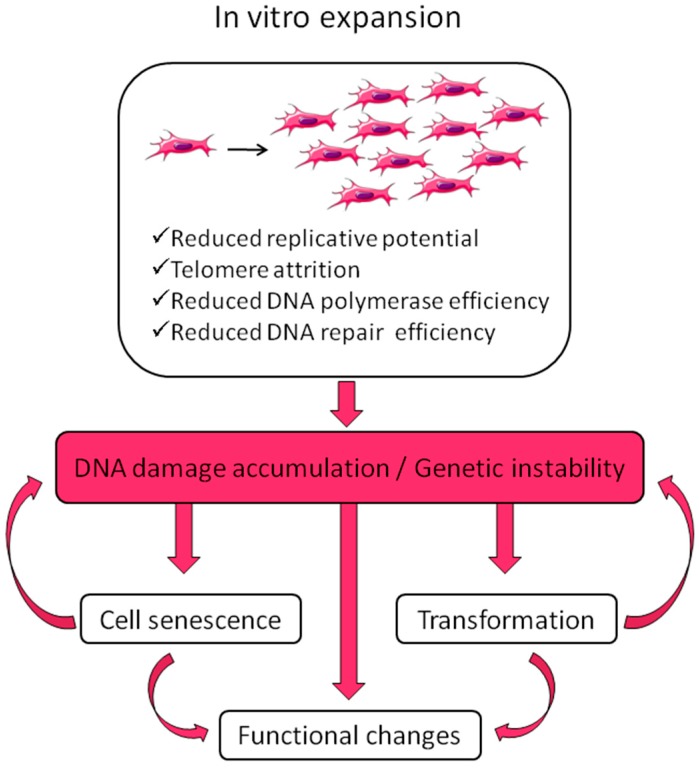
Mesenchymal stem/stromal cells (MSC) show widespread application for a variety of clinical conditions; therefore, their use necessitates continuous monitoring of their safety. The risk assessment of mesenchymal stem cell-based therapies cannot be separated from an accurate and deep knowledge of their biological properties and in vitro and in vivo behavior. One of the most relevant safety issues is represented by the genetic stability of MSCs, that can be altered during in vitro manipulation, frequently required before clinical application. MSC genetic stability has the potential to influence the transformation and the therapeutic effect of these cells. At present, karyotype evaluation represents the definitely prevailing assessment of MSC stability, but DNA alterations of smaller size should not be underestimated. This review will focus on current scientific knowledge about the genetic stability of mesenchymal stem cells. The techniques used and possible improvements together with regulatory aspects will also be discussed.
Keywords: biosafety; genetic stability; mesenchymal stem/stromal cells; senescence; tumorigenicity.
Conflict of interest statement
The author declares no conflict of interest.
Figures
References
Publication types
MeSH terms
LinkOut - more resources
Full Text Sources
Other Literature Sources
