


Factors affecting -individual task prioritisation in a workplace setting
- PMID: 31098549
- PMCID: PMC6502562
- DOI: 10.7861/futurehosp.5-2-138
Factors affecting -individual task prioritisation in a workplace setting
Abstract
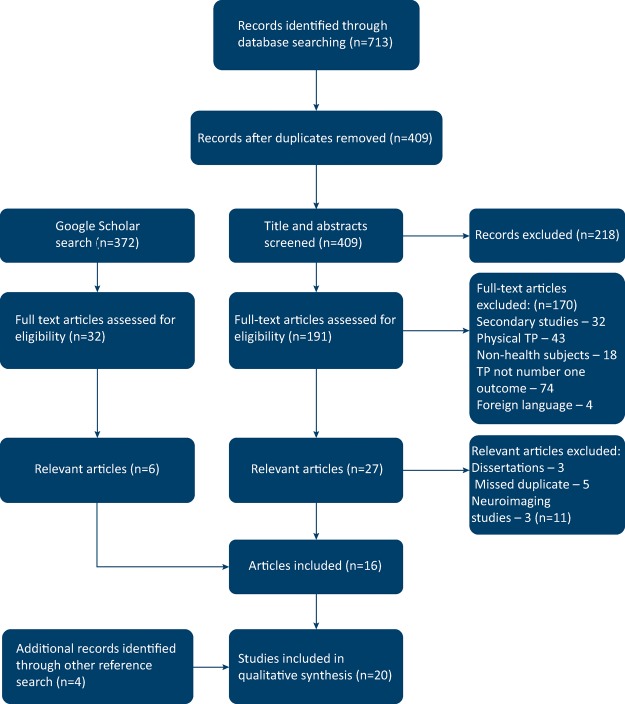
Task prioritisation (TP), the ability to arrange assigned responsibilities in order of importance, has been identified by doctors as the most important non-technical skill when working out of hours. This review aimed to identify the factors influencing task prioritisation in a workplace setting. The following databases were searched for relevant studies: BNI, CINAHL, EMBASE, MEDLINE and PsycINFO as well as the reference lists of relevant articles, review papers and Google Scholar. Data were extracted from the studies using a standard proforma. Twenty relevant papers were identified from management, aviation and healthcare fields. Task prioritisation ability differed across individuals and was associated with personality and experience. Tasks were prioritised based on length, urgency, importance and reward. With practice people become more efficient at task prioritisation. Practical applications include education, personalised task management software and intrusive notifications. Additional research is needed to assess the effects of such interventions in a healthcare setting.
Keywords: Task prioritisation; medical education; non-technical skills; out-of-hours; systematic review.
References
-
- Secondary Care Analysis Team, NHS Digital Hospital admitted patient care activity 2015–16. Health and Social Care Information Centre. NHS Digital, 2016.
-
- Ewbank L, Thompson J, McKenna H. NHS hospital bed numbers: past, present, future. The King's Fund, 2017.
-
- Brown M, Syrysko P, Sharples S, et al. Developing a simulator to help junior doctors deal with night shifts. Contemporary Ergonomics and Human Factors 2013:289–96.
-
- British Medical Association Cohort study of 2006 medical graduates – Tenth report. London: BMA, 2016.
Publication types
LinkOut - more resources
Full Text Sources
