


Hydrogel Actuators and Sensors for Biomedical Soft Robots: Brief Overview with Impending Challenges
- PMID: 31105237
- PMCID: PMC6352708
- DOI: 10.3390/biomimetics3030015
Hydrogel Actuators and Sensors for Biomedical Soft Robots: Brief Overview with Impending Challenges
Abstract
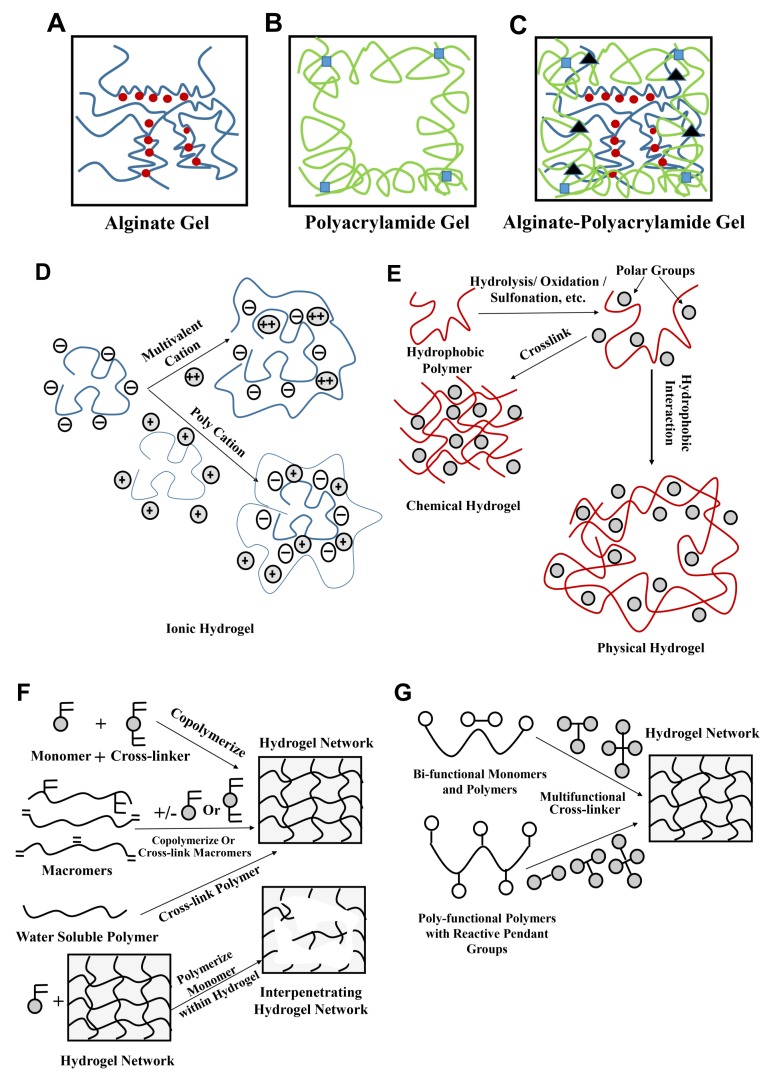
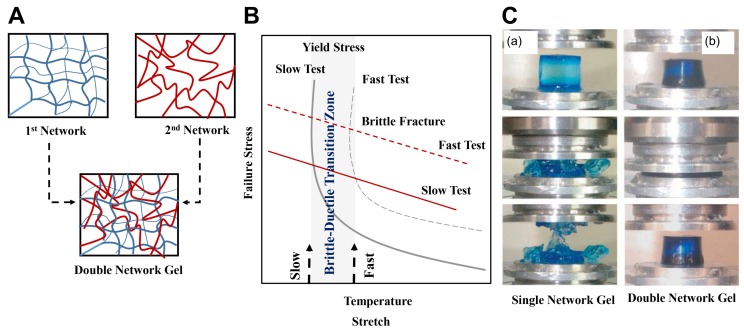
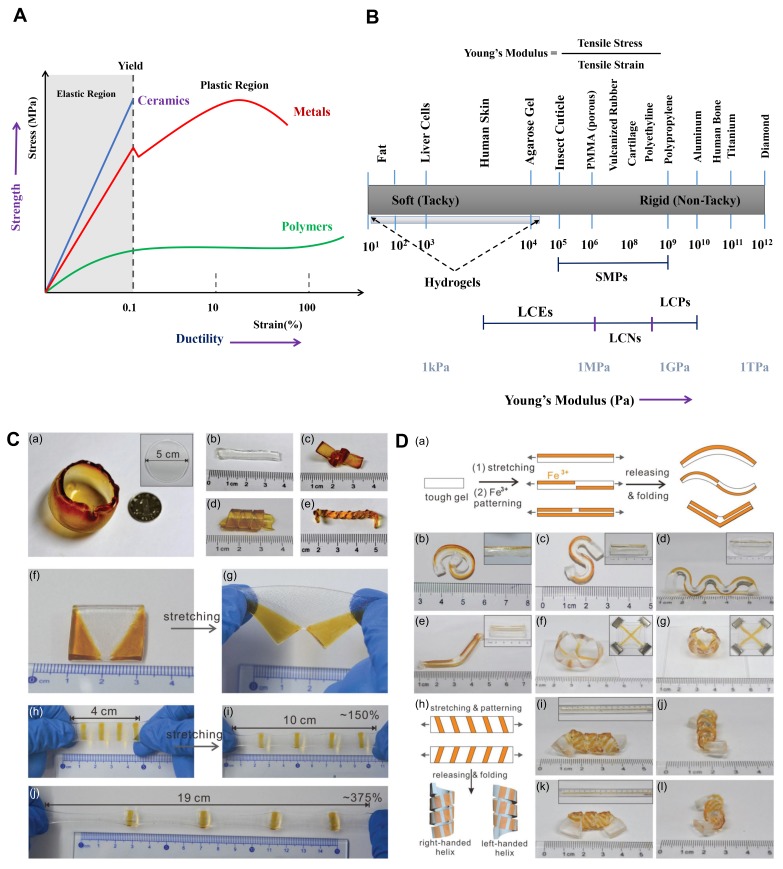
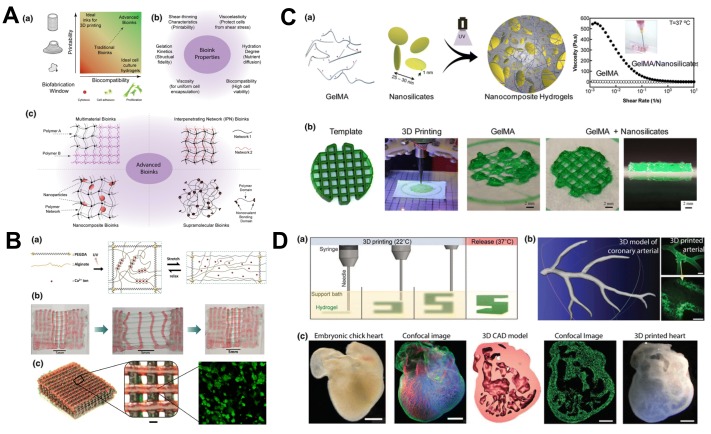
There are numerous developments taking place in the field of biorobotics, and one such recent breakthrough is the implementation of soft robots-a pathway to mimic nature's organic parts for research purposes and in minimally invasive surgeries as a result of their shape-morphing and adaptable features. Hydrogels (biocompatible, biodegradable materials that are used in designing soft robots and sensor integration), have come into demand because of their beneficial properties, such as high water content, flexibility, and multi-faceted advantages particularly in targeted drug delivery, surgery and biorobotics. We illustrate in this review article the different types of biomedical sensors and actuators for which a hydrogel acts as an active primary material, and we elucidate their limitations and the future scope of this material in the nexus of similar biomedical avenues.
Keywords: biomedical sensors; hydrogel robots; soft actuators; stimuli-responsive hydrogels.
Conflict of interest statement
The authors declare no conflict of interest.
Figures

References
Publication types
Grants and funding
LinkOut - more resources
Full Text Sources
Other Literature Sources
