


Embedding and sustaining motivational interviewing in clinical environments: a concurrent iterative mixed methods study
- PMID: 31118005
- PMCID: PMC6529989
- DOI: 10.1186/s12909-019-1606-y
Embedding and sustaining motivational interviewing in clinical environments: a concurrent iterative mixed methods study
Abstract
Background: Motivational interviewing (MI) is internationally recognised as an effective intervention to facilitate health-related behaviour change; although, how it is best implemented and maintained in everyday clinical practice is not so clear. The aim of this study is to understand how MI as an intervention can be embedded and sustained in the clinical practice and learning environments.
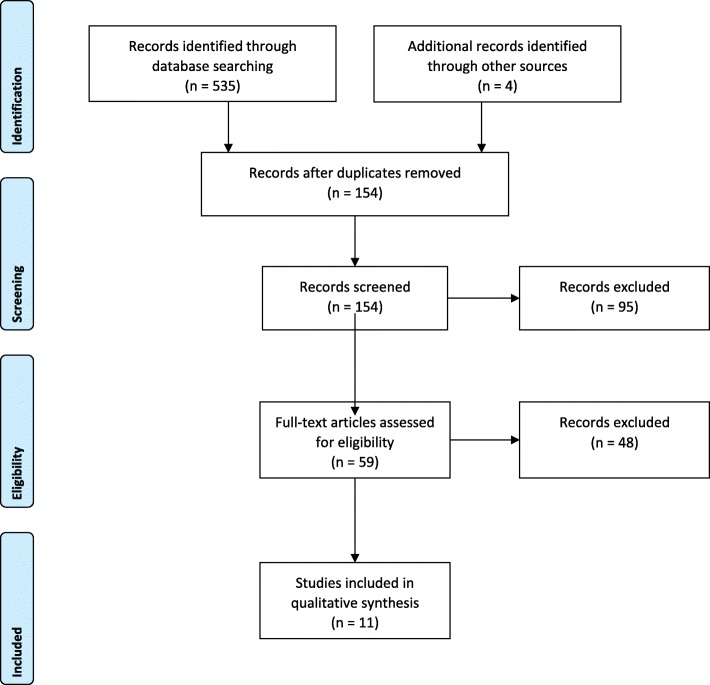
Methods: A concurrent iterative mixed methodology was utilised. Data collection occurred in two parts: a scoping review to identify reported barriers and enablers to embedding and sustaining MI in healthcare settings, and a survey of health professionals at an international clinical educator workshop on the topic. Results from both methods were integrated at the analysis phase ('following a thread') to understand how MI is embedded and the fidelity sustained in the clinical environments. Complexity theory as a conceptualising framework was utilised.
Results: Eleven studies were included, and 30 health professionals were surveyed. Sustainability of MI at micro-clinical levels can be fostered through use of enabling technology, focus on patient-centred care, personnel development and process improvement. At the meso-organisational level, developing shared vision, creating opportunities and an organisational culture supportive of continuous learning are relevant issues. At the macro levels, adopting systems thinking and a learning organisation approach is important for sustaining MI.
Conclusions: In addressing the recognised barriers to embedding and sustaining MI in health service provisions, clinical educators could potentially play a central role as change agents within and across the complex clinical system.
Keywords: Barriers; Fidelity; Health education; Implementation; Motivational interviewing; lifestyle counselling; health behaviour change; Systems analysis.
Conflict of interest statement
The authors declare that they have no competing interests.
Figures
References
-
- Frost H, Campbell P, Maxwell M, O'Carroll RE, Dombrowski SU, Williams B, Cheyne H, Coles E, Pollock A. Effectiveness of motivational interviewing on adult behaviour change in health and social care settings: a systematic review of reviews. PLoS One. 2018;13(10):e0204890. doi: 10.1371/journal.pone.0204890. - DOI - PMC - PubMed
-
- Keeley R, Engel M, Reed A, Brody D, Burke BL. Towards an emerging role for motivational interviewing in primary care. Current Pschiatry Reports. 2018;(41):20. - PubMed
MeSH terms
LinkOut - more resources
Full Text Sources
