


The Revised Hearing Handicap Inventory and Screening Tool Based on Psychometric Reevaluation of the Hearing Handicap Inventories for the Elderly and Adults
- PMID: 31124792
- PMCID: PMC6864238
- DOI: 10.1097/AUD.0000000000000746
The Revised Hearing Handicap Inventory and Screening Tool Based on Psychometric Reevaluation of the Hearing Handicap Inventories for the Elderly and Adults
Abstract
Objectives: The present study evaluates the items of the Hearing Handicap Inventory for the Elderly and Hearing Handicap Inventory for Adults (HHIE/A) using Mokken scale analysis (MSA), a type of nonparametric item response theory, and develops updated tools with optimal psychometric properties.
Design: In a longitudinal study of age-related hearing loss, 1447 adults completed the HHIE/A and audiometric testing at baseline. Discriminant validity of the emotional consequences and social/situational effects subscales of the HHIE/A was assessed, and nonparametric item response theory was used to explore dimensionality of the items of the HHIE/A and to refine the scales.
Results: The HHIE/A items form strong unidimensional scales measuring self-perceived hearing handicap, but with a lack of discriminant validity of the two distinct subscales. Two revised scales, the 18-item Revised Hearing Handicap Inventory and the 10-item Revised Hearing Handicap Inventory-Screening, were developed from the common items of the original HHIE/A that met the assumptions of MSA. The items on both of the revised scales can be ordered in terms of increasing difficulty.
Conclusions: The results of the present study suggest that the newly developed Revised Hearing Handicap Inventory and Revised Hearing Handicap Inventory-Screening are strong unidimensional, clinically informative measures of self-perceived hearing handicap that can be used for adults of all ages. The real-data example also demonstrates that MSA is a valuable alternative to classical psychometric analysis.
Conflict of interest statement
The authors declare no conflicts of interest.
Figures
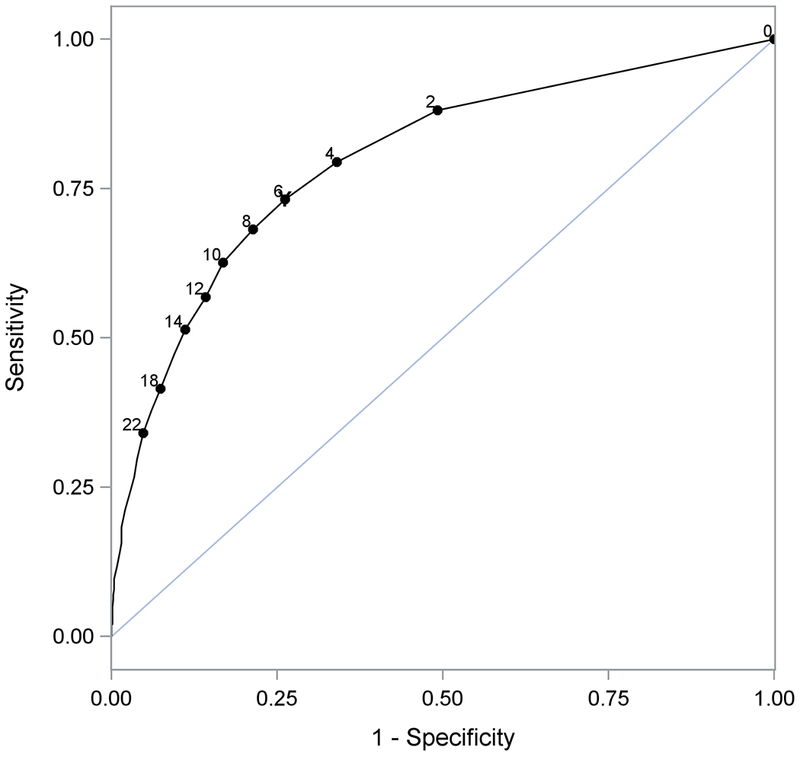
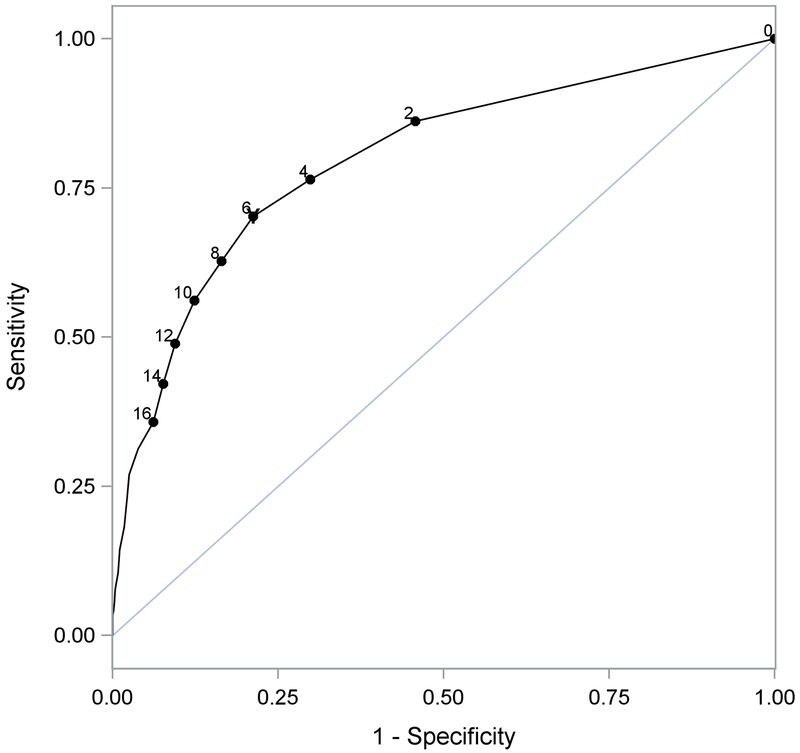
References
-
- Boeschen Hospers JM, Smits N, Smits C, et al. (2016). Reevaluation of the Amsterdam Inventory for Auditory Disability and Handicap using item response theory. J Speech Lang Hear Res, 59, 373–383. - PubMed
-
- Chenault M, Berger M, Kremer B, et al. (2013). Quantification of experienced hearing problems with item response theory. Am J Audiol, 22, 252–262. - PubMed
-
- Cruickshanks KJ, Wiley TL, Tweed TS, et al. (1998). Prevalence of hearing loss in older adults in Beaver Dam, Wisconsin. The Epidemiology of Hearing Loss Study. Am J Epidemiol, 148, 879–886. - PubMed
-
- Demorest ME, Wark DJ, Erdman SA (2011). Development of the Screening Test for Hearing Problems. Am J Audiol, 20, 100–110. - PubMed
Publication types
MeSH terms
Grants and funding
LinkOut - more resources
Full Text Sources
Medical
Miscellaneous
