


A multi-institutional experience in the aortic and arterial pathology in individuals with genetically confirmed vascular Ehlers-Danlos syndrome
- PMID: 31126764
- PMCID: PMC8240141
- DOI: 10.1016/j.jvs.2019.01.069
A multi-institutional experience in the aortic and arterial pathology in individuals with genetically confirmed vascular Ehlers-Danlos syndrome
Abstract
Objective: Vascular Ehlers-Danlos syndrome (vEDS) is a rare connective tissue disorder owing to pathogenic variants in COL3A1 that lead to impaired type III collagen production. We aim to describe the contemporary multi-institutional experience of aortic and arterial pathology in individuals with vEDS, to evaluate disease patterns and refine management recommendations.
Methods: This cross-sectional, retrospective study of individuals with genetically confirmed vEDS was conducted between 2000 and 2015 at multiple institutions participating in the Vascular Low Frequency Disease Consortium. Aortic and arterial events including aneurysms, pseudoaneurysms, dissections, fistulae, or ruptures were studied. Demographics, COL3A1 variants, management, and outcomes data were collected and analyzed. Individuals with and without arterial events were compared.
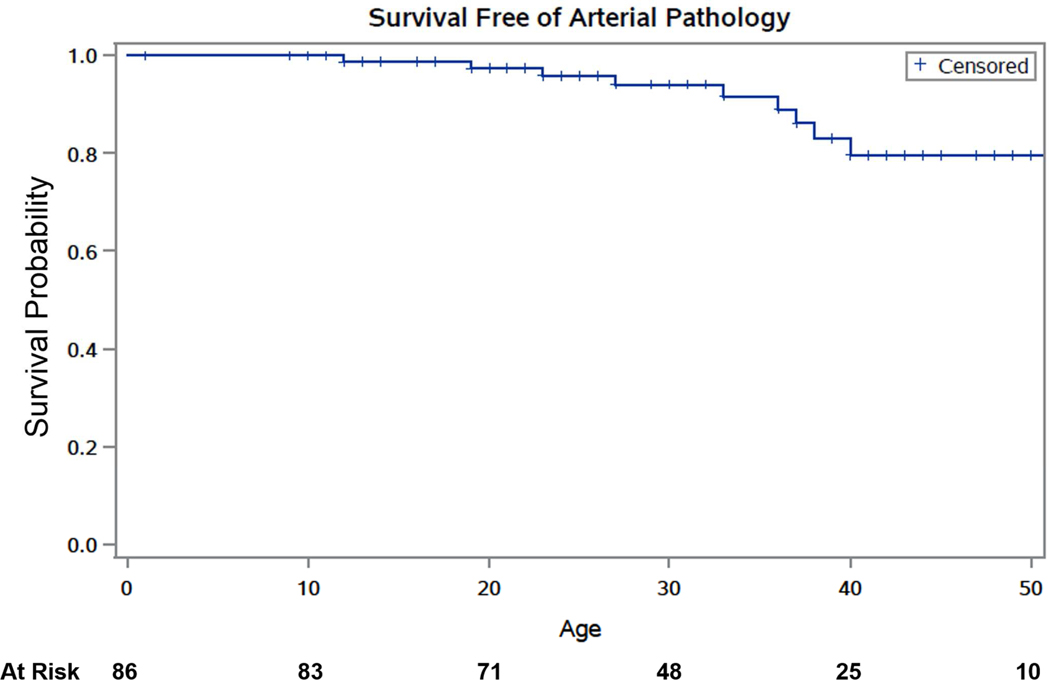
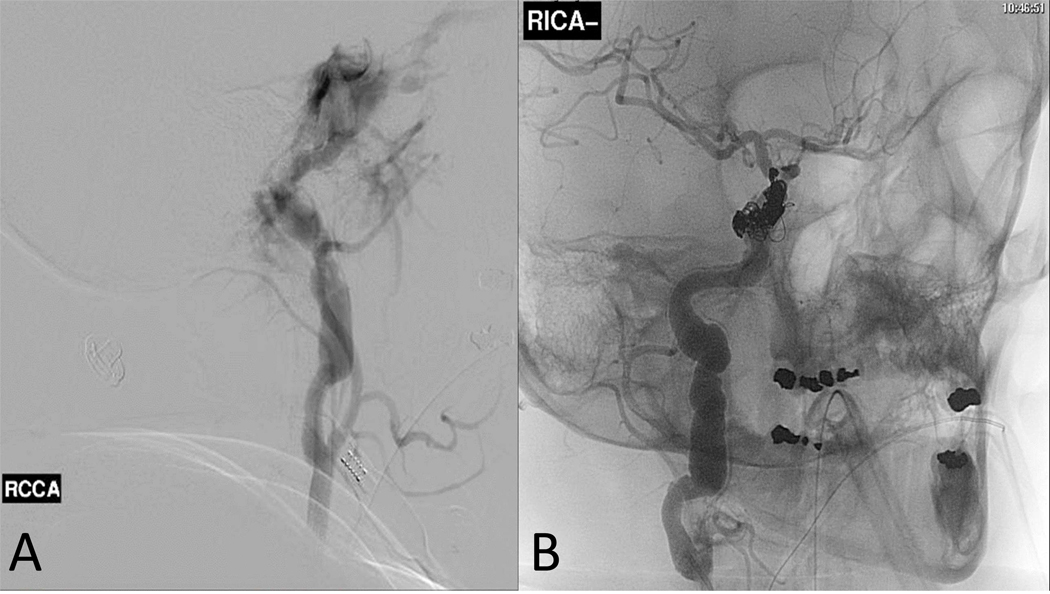
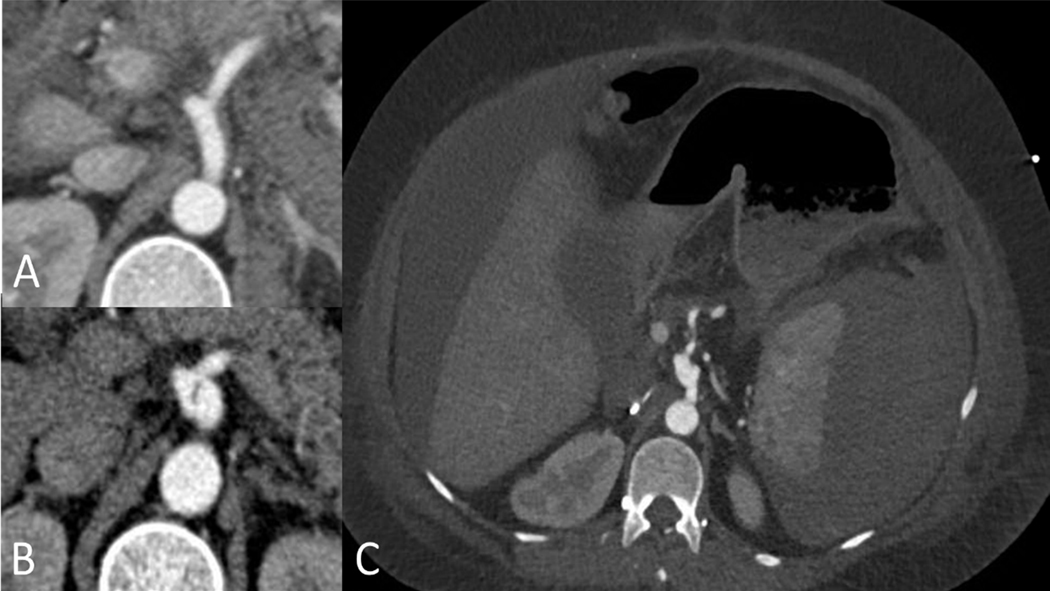
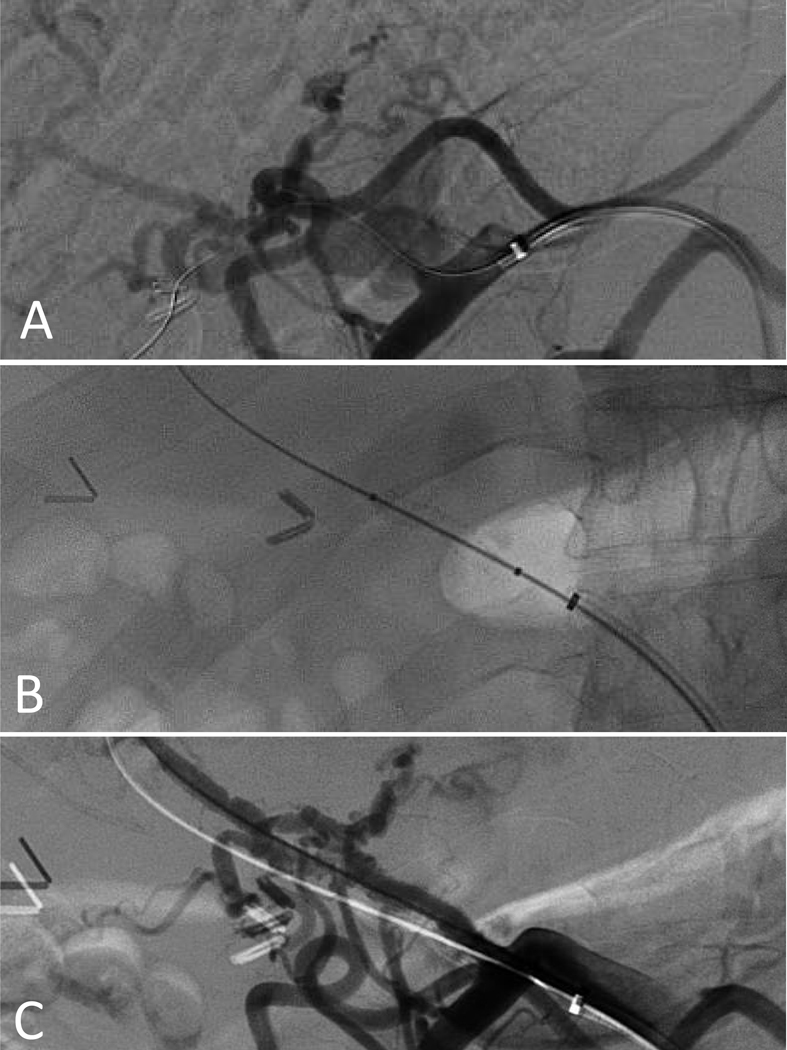
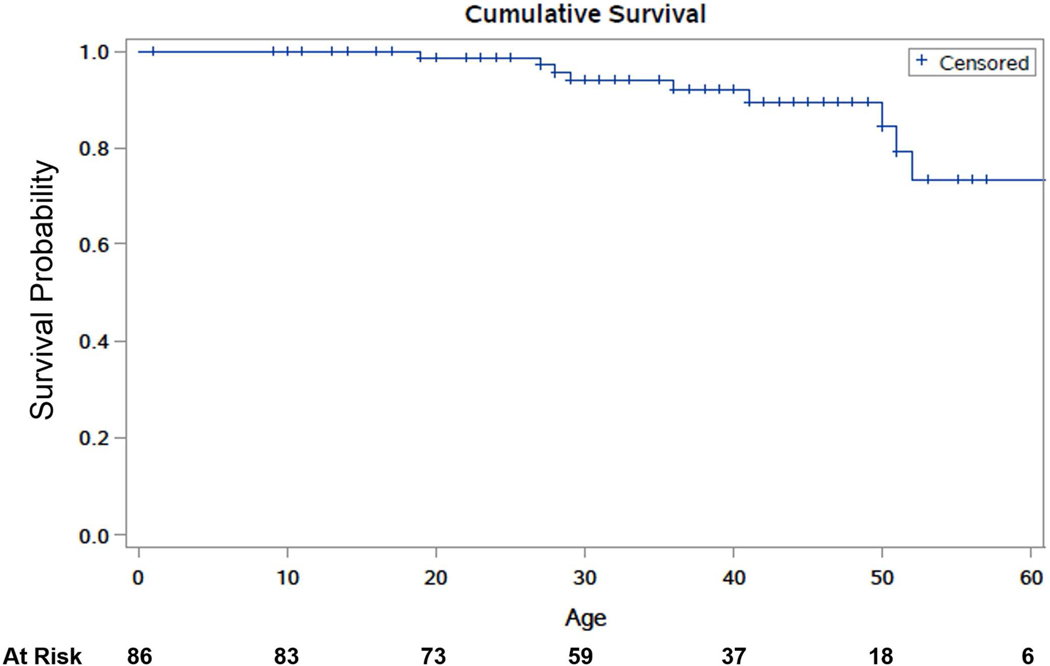
Results: Eleven institutions identified 86 individuals with pathogenic variants in COL3A1 (47.7% male, 86% Caucasian; median age, 41 years; interquartile range [IQR], 31.0-49.5 years; 65.1% missense COL3A1 variants). The median follow-up from the time of vEDS diagnosis was 7.5 years (IQR, 3.5-12.0 years). A total of 139 aortic/arterial pathologies were diagnosed in 53 individuals (61.6%; 50.9% male; 88.5% Caucasian; median age, 33 years; IQR, 25.0-42.3 years). The aortic/arterial events presented as an emergency in 52 cases (37.4%). The most commonly affected arteries were the mesenteric arteries (31.7%), followed by cerebrovascular (16.5%), iliac (16.5%), and renal arteries (12.2%). The most common management was medical management. When undertaken, the predominant endovascular interventions were arterial embolization of medium sized arteries (13.4%), followed by stenting (2.5%). Aortic pathology was noted in 17 individuals (32%; 58.8% male; 94.1% Caucasian; median age, 38.5 years; IQR, 30.8-44.7 years). Most notably, four individuals underwent successful abdominal aortic aneurysm repair with excellent results on follow-up. Individuals with missense mutations, in which glycine was substituted with a large amino acid, had an earlier onset of aortic/arterial pathology (median age, 30 years; IQR, 23.5-37 years) compared with the other pathogenic COL3A1 variants (median age, 36 years; IQR, 29.5-44.8 years; P = .065). There were 12 deaths (22.6%) at a median age of 36 years (IQR, 28-51 years).
Conclusions: Most of the vEDS arterial manifestations were managed medically in this cohort. When intervention is required for an enlarging aneurysm or rupture, embolization, and less frequently stenting, seem to be well-tolerated. Open repair of abdominal aortic aneurysm seems to be as well-tolerated as in those without vEDS; vEDS should not be a deterrent to offering an operation. Future work to elucidate the role of surgical interventions and refine management recommendations in the context of patient centered outcomes is warranted.
Keywords: Arterial aneurysm; Arterial dissection; Arterial rupture; COL3A1 mutation; Vascular Ehlers-Danlos syndrome.
Copyright © 2019 Society for Vascular Surgery. Published by Elsevier Inc. All rights reserved.
Conflict of interest statement
Figures
References
-
- Pepin M, Schwarze U, Superti-Furga A, Byers PH. Clinical and genetic features of Ehlers-Danlos syndrome type IV, the vascular type. N Engl J Med 2000; 342: 673–80. - PubMed
-
- Pyeritz RE. Ehlers-Danlos syndrome. N Engl J Med 2000; 342: 730–2. - PubMed
-
- Malfait F, Francomano C, Byers P, Belmont J, Berglund B, Black J, et al. The 2017 international classification of the Ehlers-Danlos syndromes. Am J Med Genet C Semin Med Genet 2017; 175: 8–26. - PubMed
-
- Eagleton MJ. Arterial complications of vascular Ehlers-Danlos syndrome. J Vasc Surg 2016; 64: 1869–80. - PubMed
Publication types
MeSH terms
Substances
Grants and funding
LinkOut - more resources
Full Text Sources
Medical
Miscellaneous
