


Phenotypic and genotypic characterization of glycopeptide, aminoglycoside and macrolide resistance among clinical isolates of Enterococcus faecalis: a multicenter based study
- PMID: 31133071
- PMCID: PMC6537152
- DOI: 10.1186/s13104-019-4339-4
Phenotypic and genotypic characterization of glycopeptide, aminoglycoside and macrolide resistance among clinical isolates of Enterococcus faecalis: a multicenter based study
Abstract
Objectives: Enterococcus faecalis as part of the normal floras of human gastrointestinal and genitourinary tracts are an important cause of nosocomial infections. The present study aimed to investigate the prevalence of genes encoding antimicrobial resistance and genetic relatedness of clinical isolates of E. faecalis among Iranian hospitalized patients.
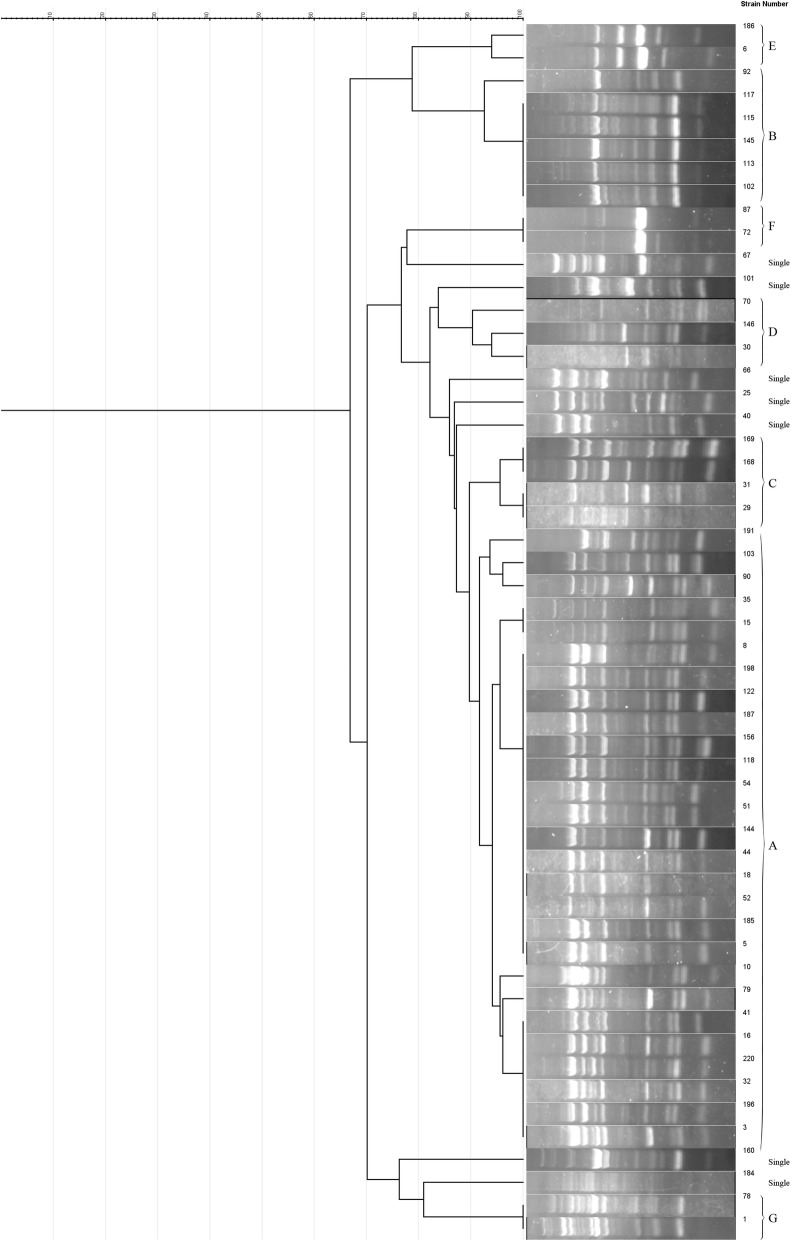
Results: Antibiotic susceptibility testing results indicated that 53 (22.8%) out of 232 E. faecalis isolates were vancomycin resistant (MIC ≥ 256 μg/ml). All of the 53 vancomycin-resistant E. faecalis isolates carried the vanA and ermB genes; whereas aac (6')-Ie aph (2″), msrA, and ermA gene were found in 96.2%, 30.2% and 3.8% of vancomycin-resistant isolates, respectively. ERIC-PCR typing revealed that 53 vancomycin-resistant isolates were classified into 14 ERIC types. In our results, the high level of resistance to gentamicin, erythromycin and vancomycin in enterococci isolates were mainly related to the presence of aac (6')-Ie aph (2″), ermB and vanA genes, respectively. Meanwhile, ERIC-PCR analysis demonstrated that most of the evaluated isolates have a close genetic relatedness.
Keywords: Antibiotic resistance; Enterococcus faecalis; aac (6′)-Ie aph (2″); ermB; vanA.
Conflict of interest statement
The authors declare that they have no competing interests.
Figures
References
Publication types
MeSH terms
Substances
LinkOut - more resources
Full Text Sources
Medical
