Majewski dwarfism type II: an atypical neuroradiological presentation with a novel variant in the PCNT gene
- PMID: 31151966
- PMCID: PMC6557317
- DOI: 10.1136/bcr-2018-224197
Majewski dwarfism type II: an atypical neuroradiological presentation with a novel variant in the PCNT gene
Abstract
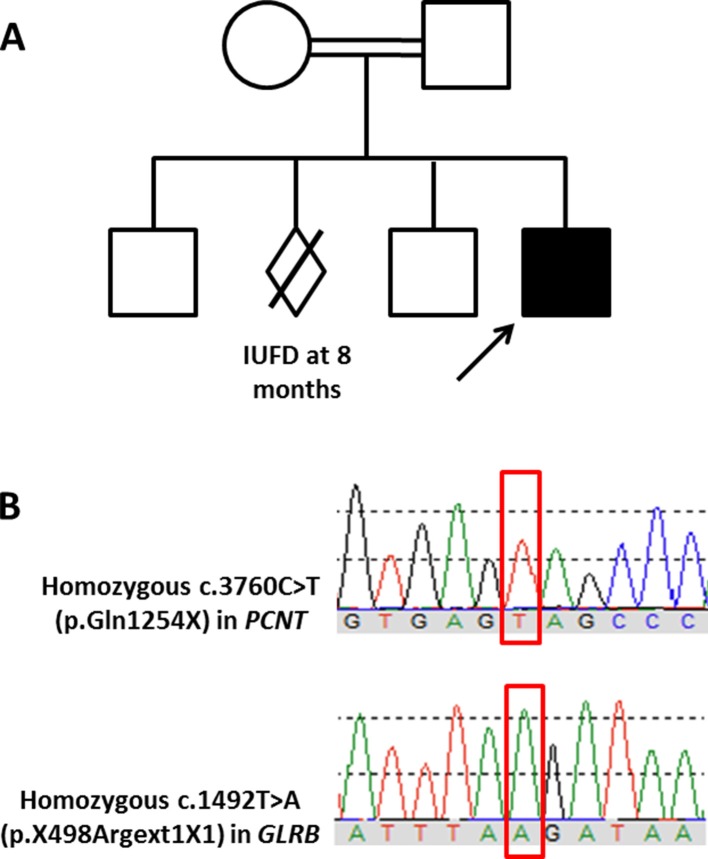
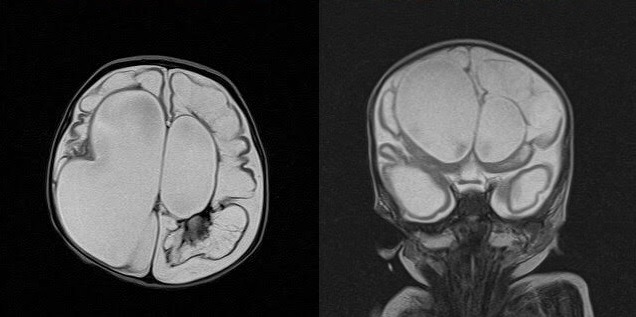
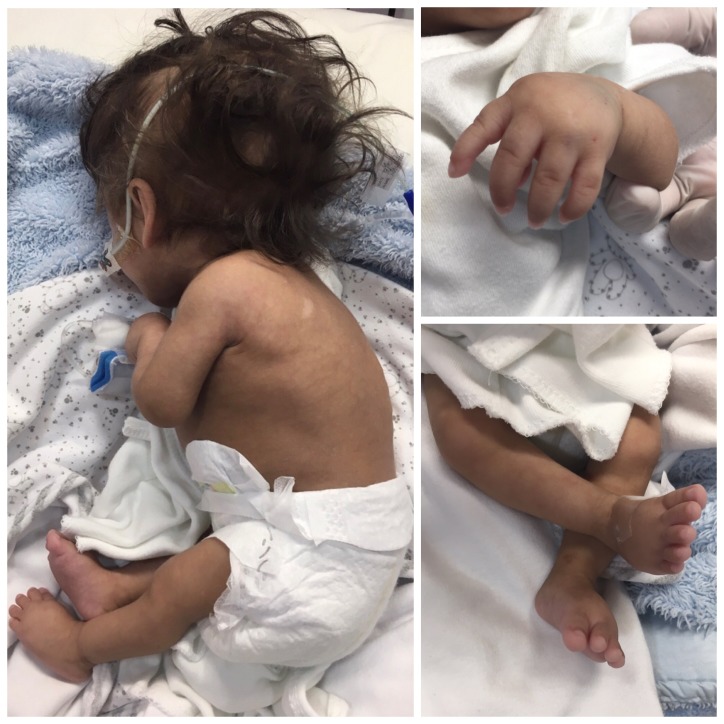
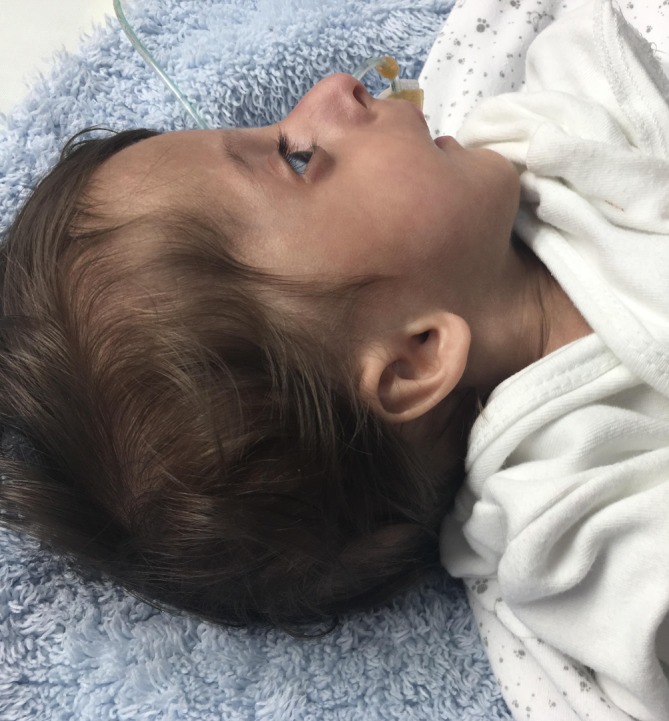
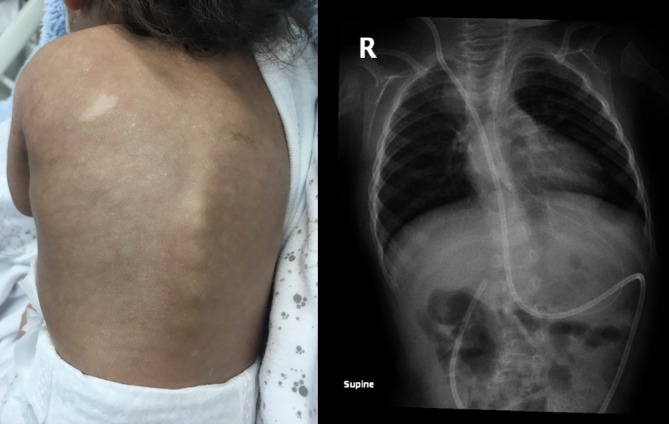
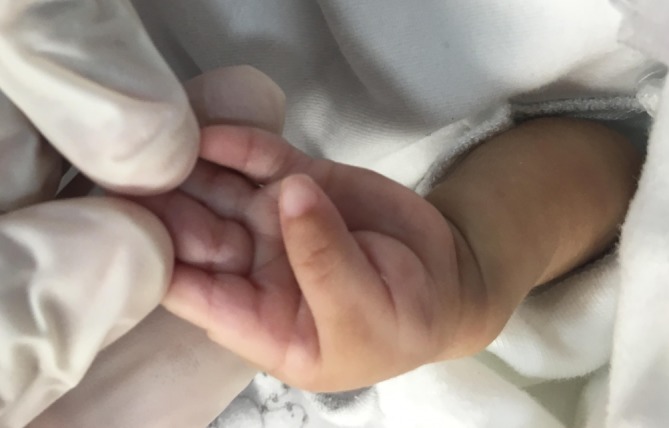
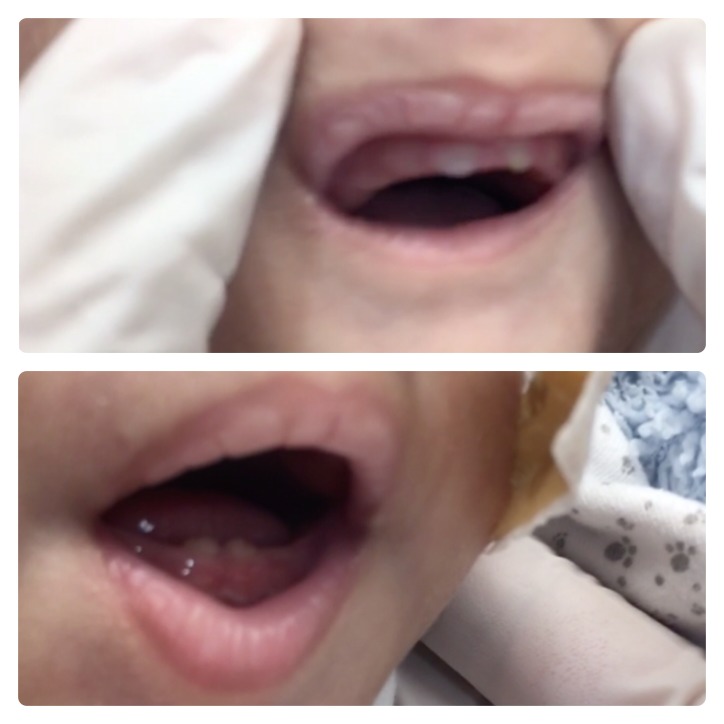
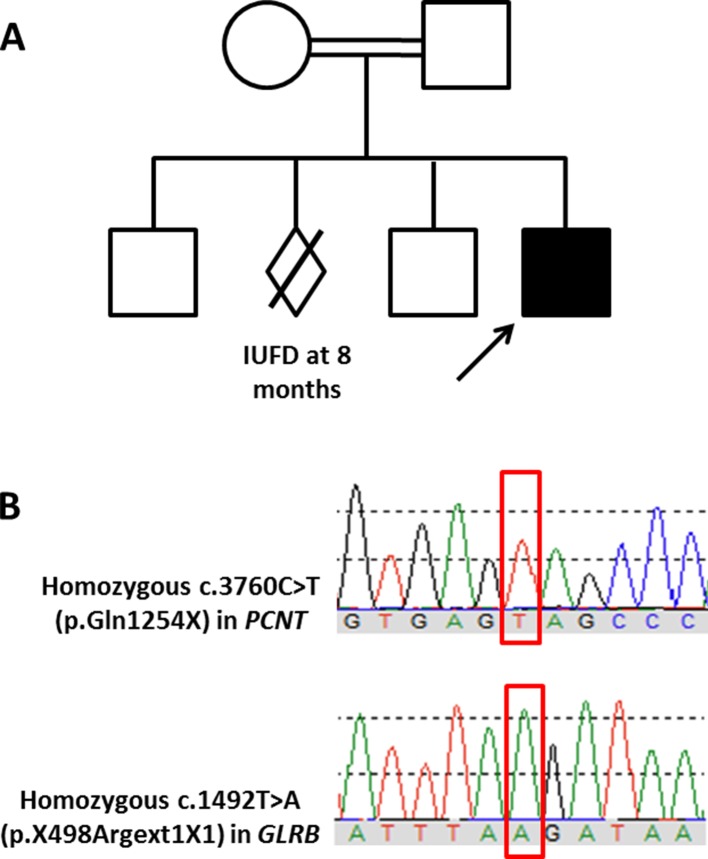
Microcephalic osteodysplastic primordial dwarfism syndrome II (MOPDII) is microcephalic primordial dwarfism and is a very rare form of disproportionate short stature. This disorder shares common features with other forms of microcephalic primordial dwarfism, including severe prenatal and postnatal growth retardation with marked microcephaly. However, it includes characteristic skeletal dysplasia, abnormal dentition and increased risk for cerebrovascular diseases. Recent reports added more features, including café-au-lait lesions, cutis marmorata, astigmatism, Moyamoya disease, insulin resistance, obesity, abnormal skin pigmentation and acanthosis nigricans around the neck. Clearly, the more MOPDII reports that are produced, the more information will be added to the spectrum of MOPDII features that can improve our understanding of this disorder. In this paper, we reported a new case of MOPDII with more severe clinical features, earlier onset of common features, in addition to a homozygous novel variant in the PCNT gene.
Keywords: congenital disorders; developmental paediatrocs; genetics; neonatal health; paediatrics.
© BMJ Publishing Group Limited 2019. No commercial re-use. See rights and permissions. Published by BMJ.
Conflict of interest statement
Competing interests: None declared.
Figures
References
-
- Sultan M, Afzal M, Qureshi SM, et al. Etiology of short stature in children. J Coll Physicians Surg Pak 2008;18:493–7. doi:08.2008/JCPSP.493497 - PubMed
-
- Bouali H, Latrech H. Achondroplasia: Current Options and Future Perspective. Pediatr Endocrinol Rev 2015;12:388–95. - PubMed
Publication types
MeSH terms
Substances
Supplementary concepts
LinkOut - more resources
Full Text Sources
Medical