


Humanized immune system mouse models: progress, challenges and opportunities
- PMID: 31160798
- PMCID: PMC7265413
- DOI: 10.1038/s41590-019-0416-z
Humanized immune system mouse models: progress, challenges and opportunities
Abstract
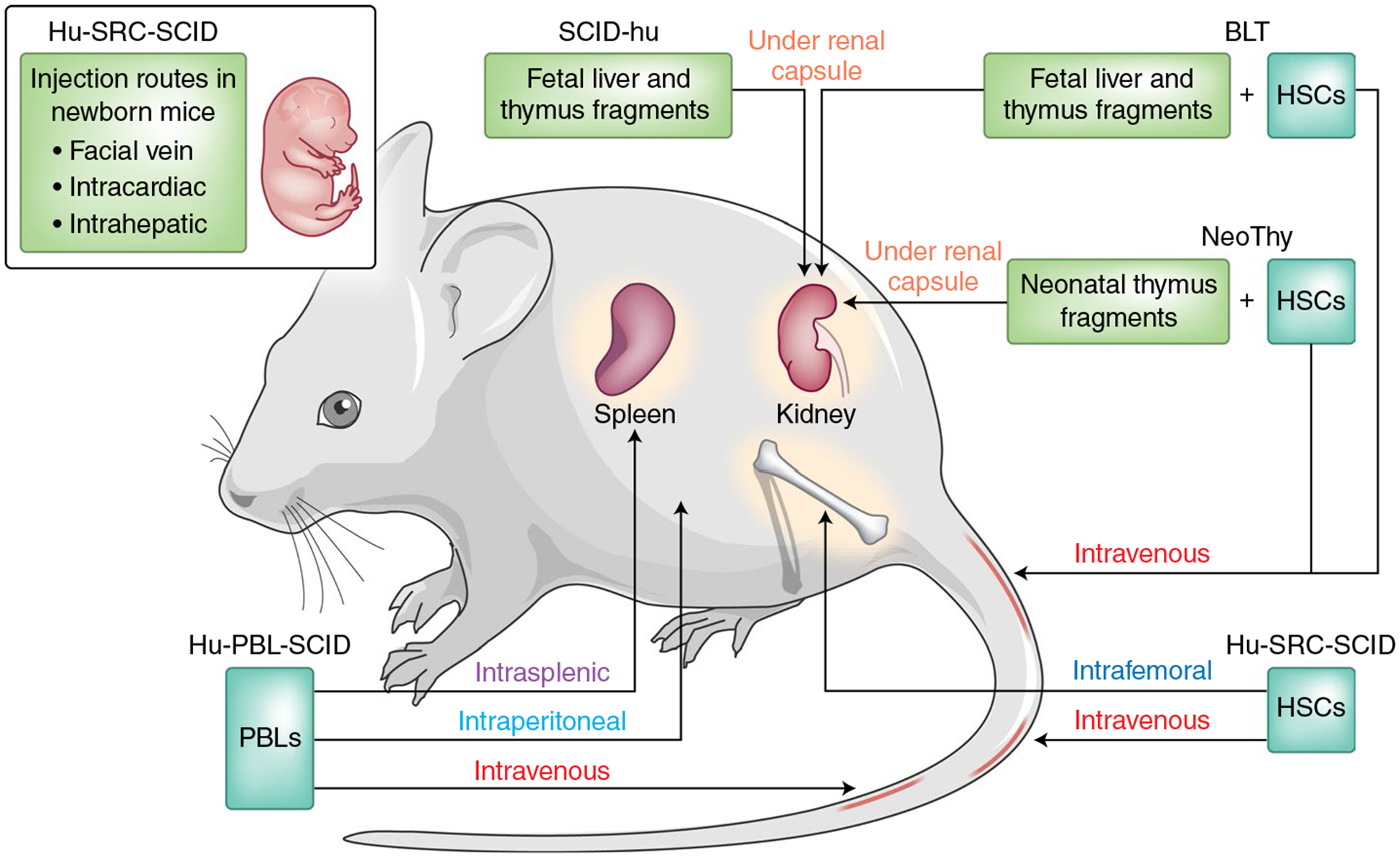
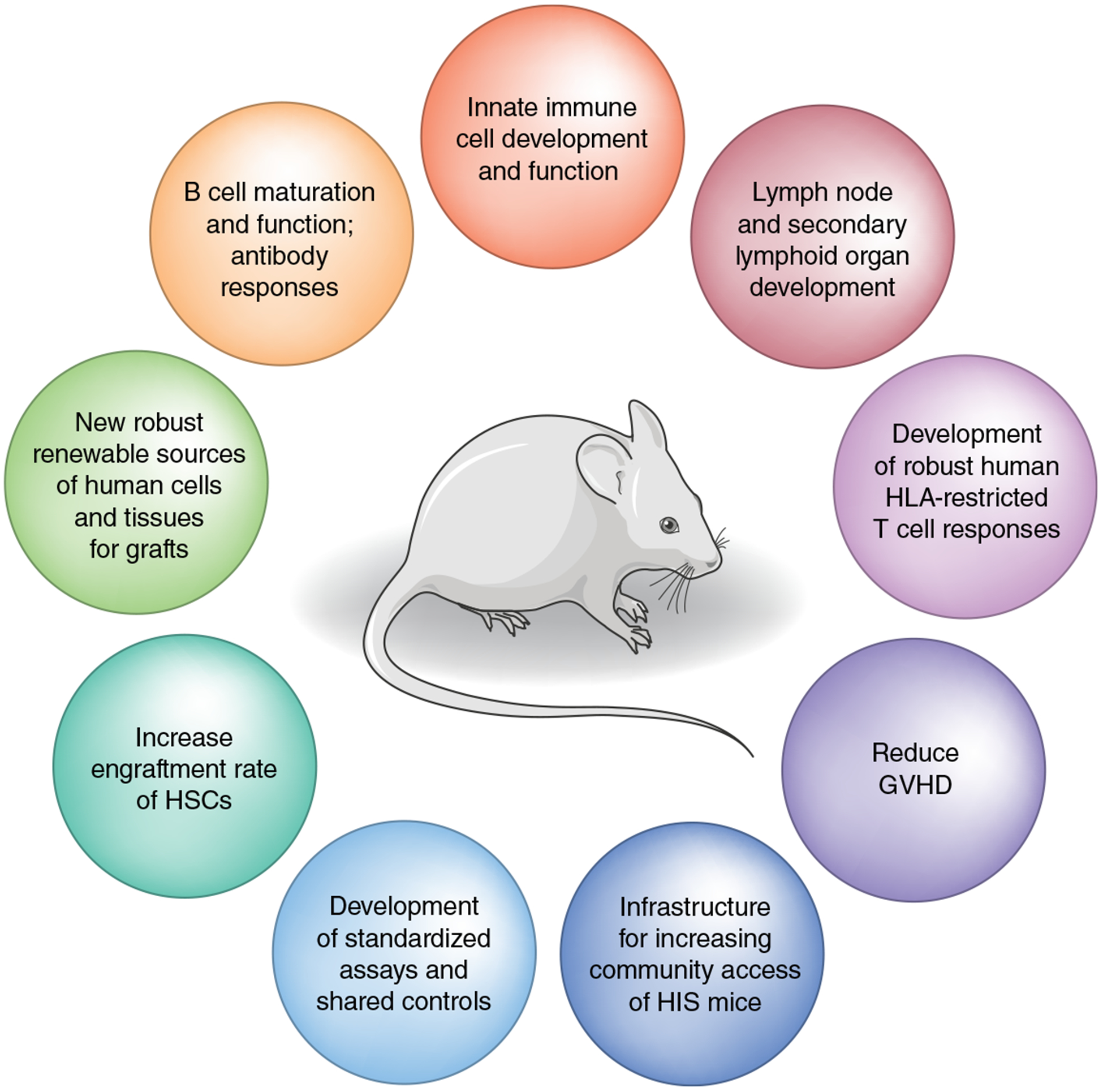
Over 30 key leaders in the field participated in a 1-day workshop entitled ‘Recent Advances and Opportunities in the Development and Use of Humanized Immune System Mouse Models’ to discuss the benefits and limitations of using human fetal tissue versus non-fetal tissue sources to generate mice with a humanized immune system. This Comment summarizes the workshop discussions, including highlights of some of the key advances made through the use of humanized mice in improving the understanding of immune system function and developing novel therapeutics for the treatment of infectious, immunological and allergic diseases, as well as current challenges in the production, characterization and utilization of these animal models.
Conflict of interest statement
Competing interests
The authors declare no competing interests.
Figures
References
Publication types
MeSH terms
Grants and funding
LinkOut - more resources
Full Text Sources
Other Literature Sources
Medical
