


Lack of nsP2-specific nuclear functions attenuates chikungunya virus replication both in vitro and in vivo
- PMID: 31163352
- PMCID: PMC7204530
- DOI: 10.1016/j.virol.2019.05.016
Lack of nsP2-specific nuclear functions attenuates chikungunya virus replication both in vitro and in vivo
Abstract
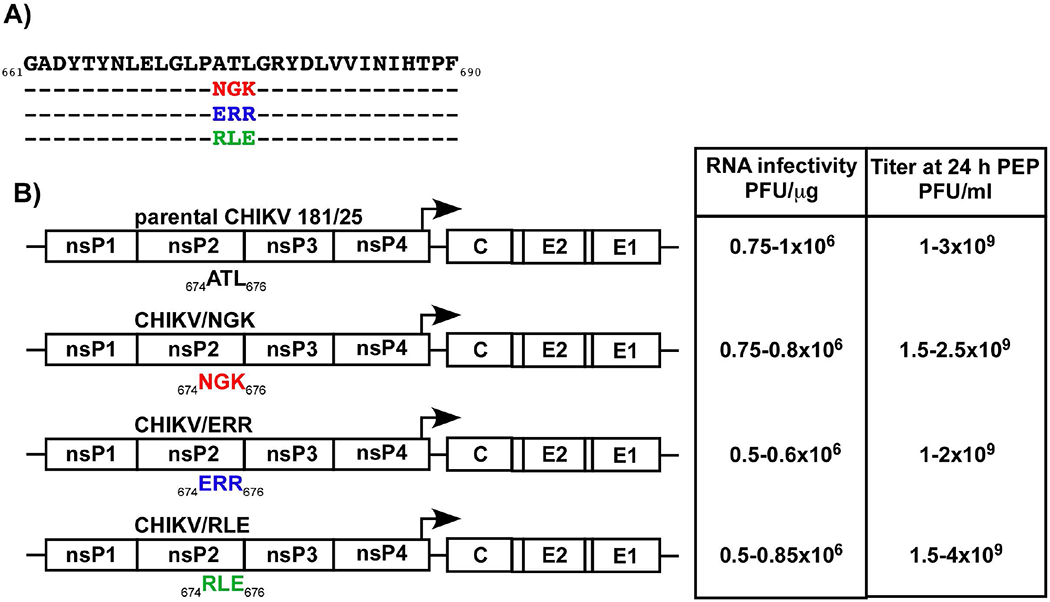
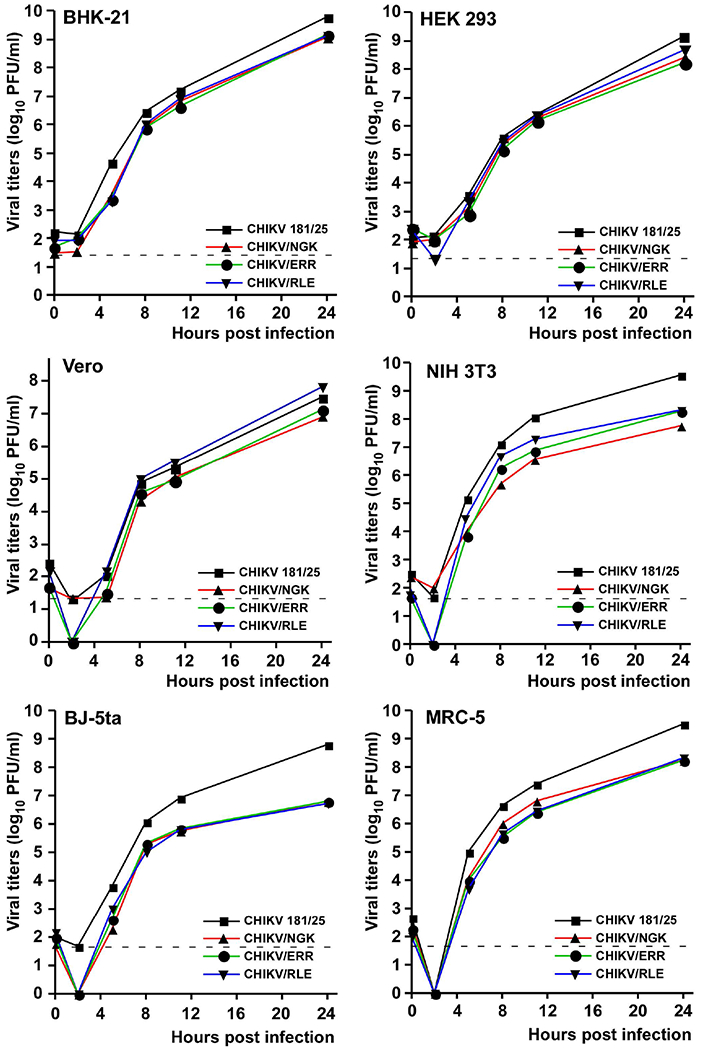
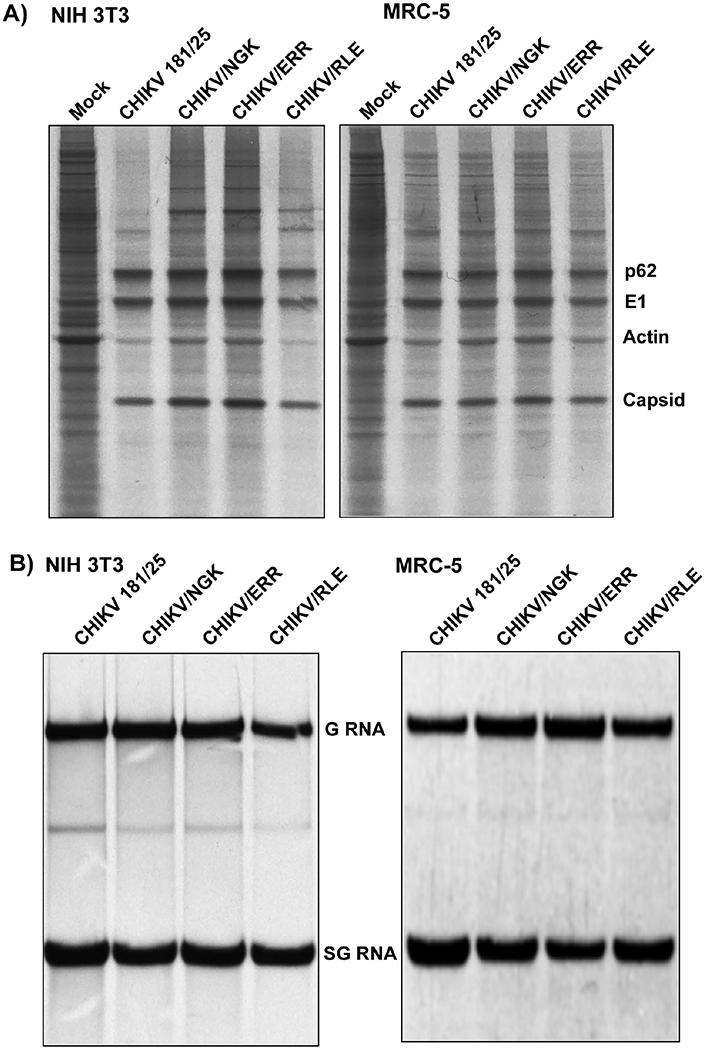
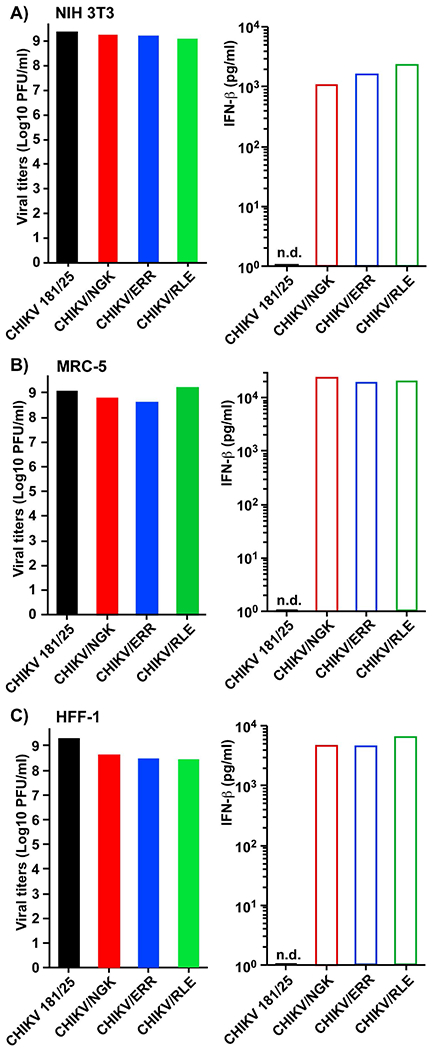
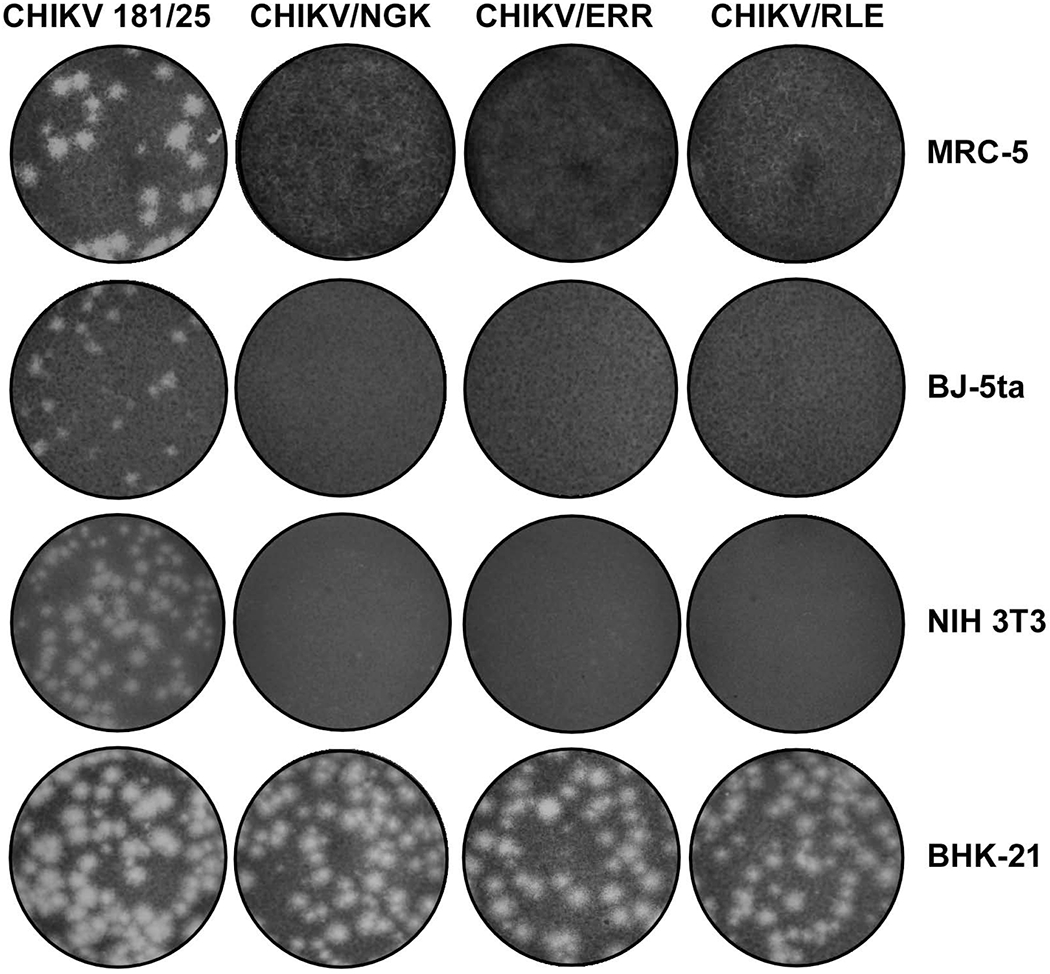
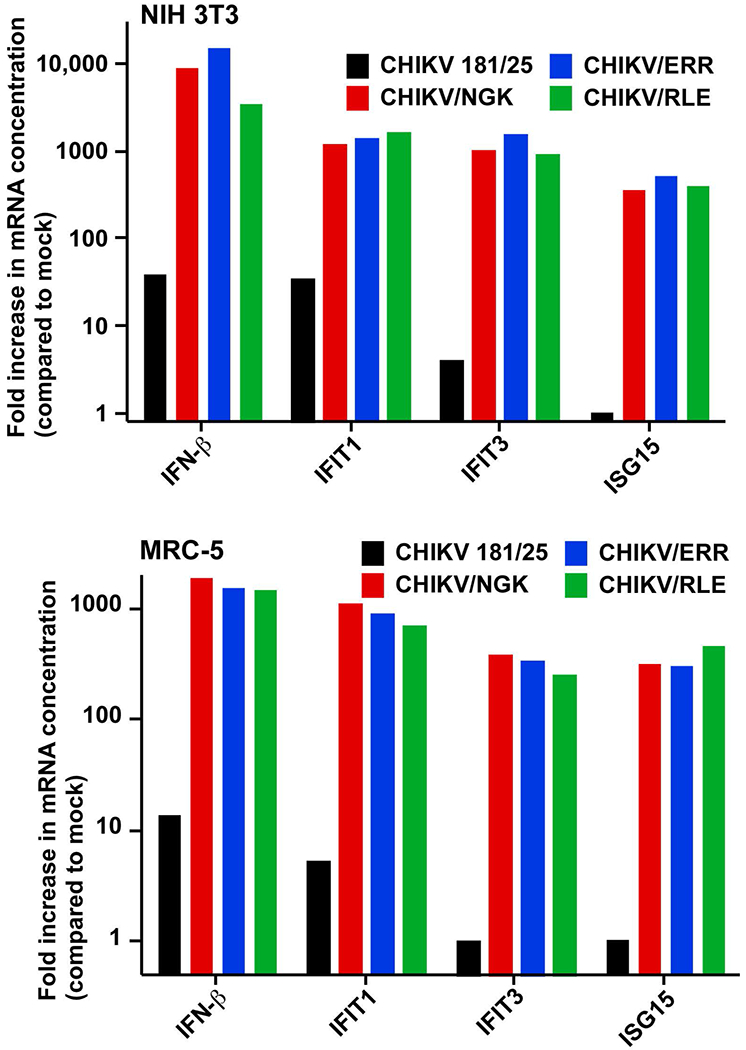
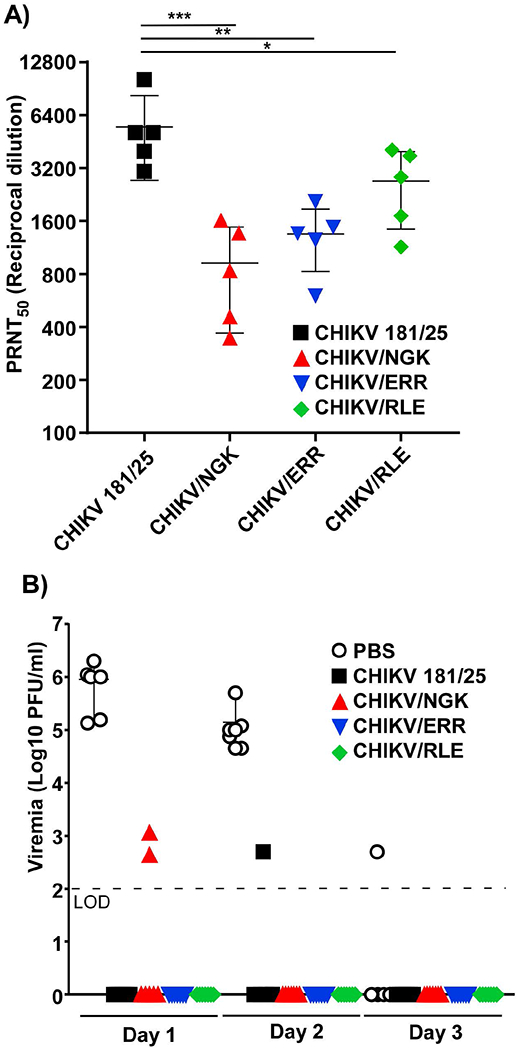
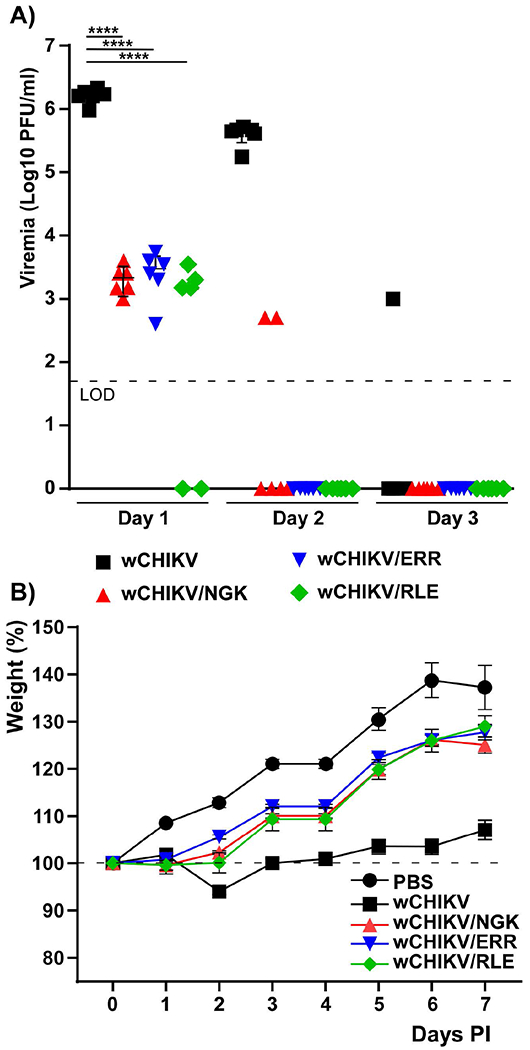
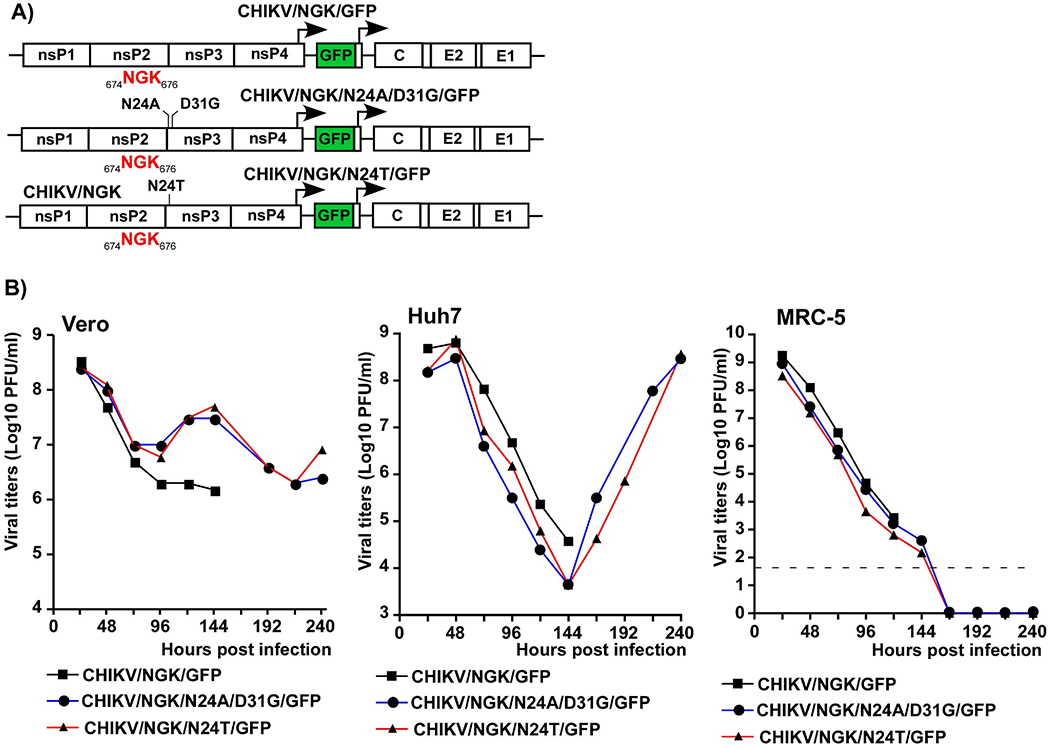
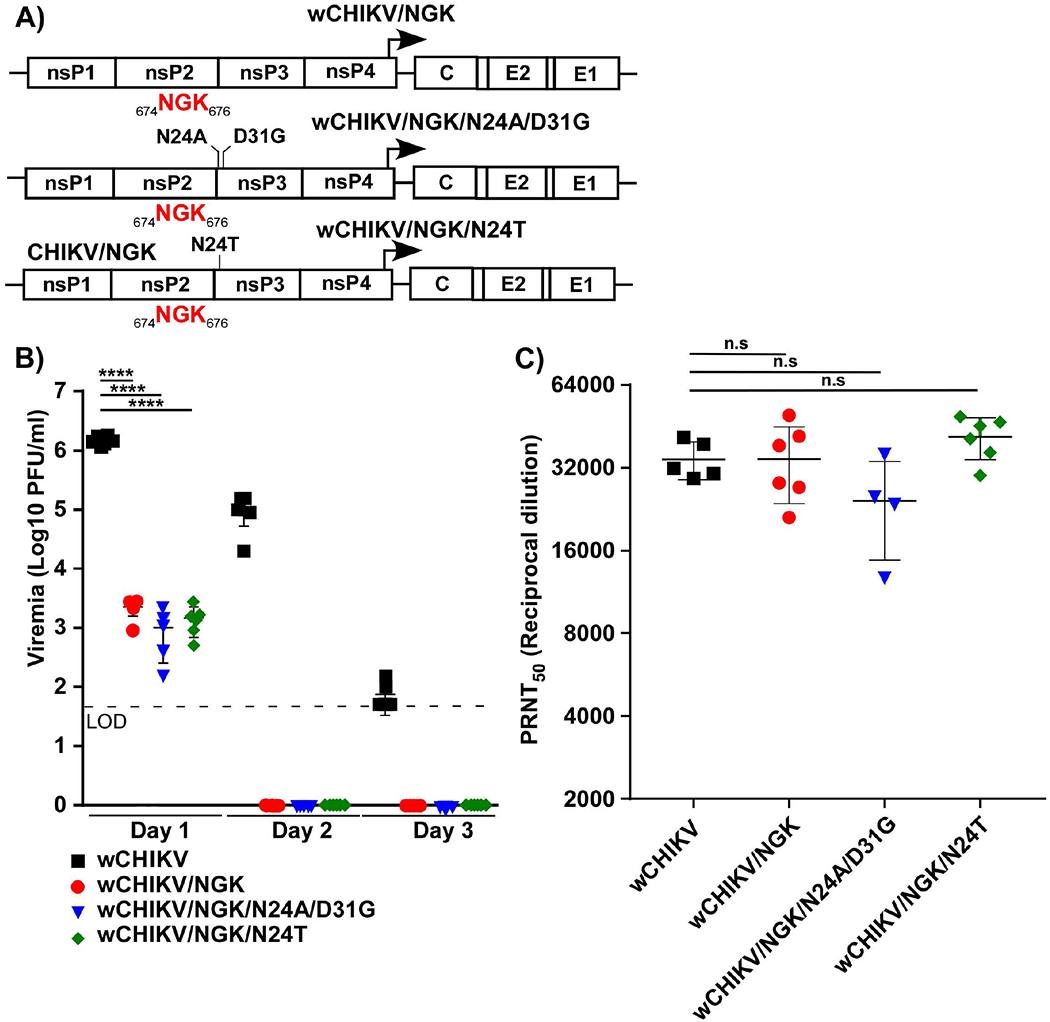
Chikungunya virus (CHIKV) is an important arthritogenic human pathogen that is already circulating in both hemispheres. In the present study, we substituted VLoop, located on the surface of nsP2, by other amino acid sequences. These modifications had deleterious effects on viral nuclear functions and made CHIKV incapable of interfering with the induction of type I interferon and the antiviral response in both mouse and human cells. Importantly, the identified mutations have no significant effects on the synthesis of virus-specific RNAs and viral structural proteins. The designed mutants induced a few orders of magnitude lower viremia but remained highly immunogenic in mice. Thus, the proposed modifications of nsP2 can additionally improve the safety of the attenuated strain CHIKV 181/25. Furthermore, defined mutations in the macro domain of another nonstructural protein, nsP3, additionally reduce cytopathogenicity of nsP2 mutants in human cells, and can be potentially applied for CHIKV attenuation.
Keywords: Alphaviruses; Chikungunya virus; Cytopathic effect; Transcription inhibition; Vaccines; Viral RNA replication; Virus-host interaction; nsP2; nsP3.
Copyright © 2019. Published by Elsevier Inc.
Figures
References
Publication types
MeSH terms
Substances
Grants and funding
LinkOut - more resources
Full Text Sources
Medical
