


Endometriosis Knowledgebase: a gene-based resource on endometriosis
- PMID: 31169291
- PMCID: PMC6551373
- DOI: 10.1093/database/baz062
Endometriosis Knowledgebase: a gene-based resource on endometriosis
Abstract
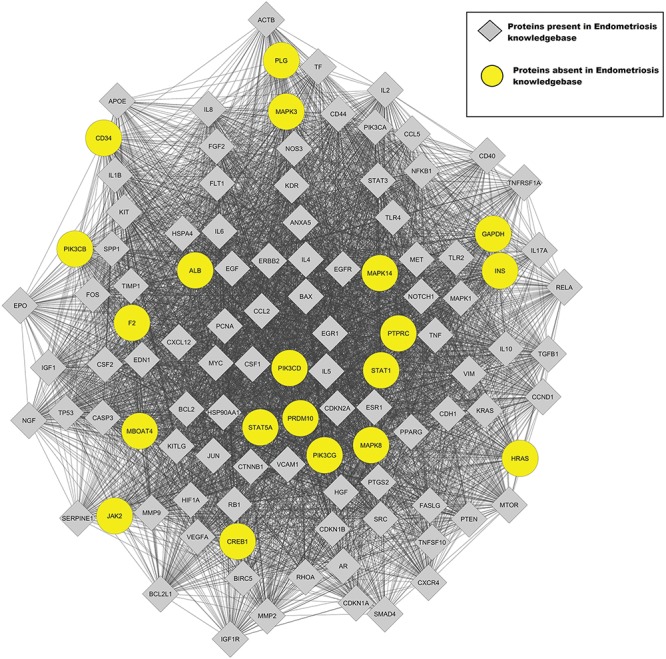
Endometriosis is a complex, benign, estrogen-dependent gynecological disorder with an incidence of ~10% women in reproductive age. The implantation and growth of endometrial cells outside the uterus leads to the development of endometriosis. Endometriosis is also associated with comorbid conditions like cardiovascular and autoimmune diseases. The absence of non-invasive diagnostic markers, delayed diagnosis, high risk of recurrence of the disease on surgical removal of the tissue and absence of a definitive cure for endometriosis makes it imperative to gain insights into the complex etiology of endometriosis. A plethora of genes identified from blood and endometrial biopsies, involved in different pathways like steroid metabolism, angiogenesis, inflammation, etc. have been associated with endometriosis. However, the exact mechanism and genetic etiology of endometriosis still remain unclear. The polygenic nature of the disease, incongruent phenotypic manifestations in different ethnic populations and information scattered in literature makes it difficult to delineate the sub-network of genes that will aid in disease diagnosis and effective treatment. Endometriosis Knowledgebase is a manually curated database with information on genes associated with endometriosis. It holds information on 831 genes, their associated polymorphisms, gene ontologys, pathways and diseases. Genes in the database are enriched in pathways important for cell signaling, immune regulation and reproduction. A genetic overlap is seen between endometriosis and cancers, endocrine/reproductive, nervous system, immune and metabolic diseases. Network analysis of genes in the Endometriosis Knowledgebase helped predict 13 new candidate genes for endometriosis. These genes were found to be enriched in biological processes associated with endometriosis. The Endometriosis Knowledgebase and incorporated tools for gene and sequence-based analysis will benefit both researchers and clinicians working in the realm of reproductive biology.
© The Author(s) 2019. Published by Oxford University Press.
Figures
References
-
- Simoens S., Dunselman G., Dirksen C. et al. (2012) The burden of endometriosis: costs and quality of life of women with endometriosis and treated in referral centres. Hum. Reprod., 27, 1292–1299. - PubMed
-
- Gajbhiye R., Sonawani A., Khan S. et al. (2012) Identification and validation of novel serum markers for early diagnosis of endometriosis. Hum. Reprod., 27, 408–417. - PubMed
-
- Gajbhiye R., McKinnon B., Mortlock S. et al. (2018) Genetic variation at chromosome 2q13 and its potential influence on endometriosis susceptibility through effects on the IL-1 family. Reprod. Sci., 25, 1307–1317. - PubMed
Publication types
MeSH terms
LinkOut - more resources
Full Text Sources
Medical
