Exome sequencing in multiple sclerosis families identifies 12 candidate genes and nominates biological pathways for the genesis of disease
- PMID: 31170158
- PMCID: PMC6553700
- DOI: 10.1371/journal.pgen.1008180
Exome sequencing in multiple sclerosis families identifies 12 candidate genes and nominates biological pathways for the genesis of disease
Erratum in
-
Correction: Exome sequencing in multiple sclerosis families identifies 12 candidate genes and nominates biological pathways for the genesis of disease.PLoS Genet. 2020 Apr 9;16(4):e1008737. doi: 10.1371/journal.pgen.1008737. eCollection 2020 Apr. PLoS Genet. 2020. PMID: 32271753 Free PMC article.
Expression of concern in
-
Expression of Concern: Exome sequencing in multiple sclerosis families identifies 12 candidate genes and nominates biological pathways for the genesis of disease.PLoS Genet. 2019 Oct 11;15(10):e1008436. doi: 10.1371/journal.pgen.1008436. eCollection 2019 Oct. PLoS Genet. 2019. PMID: 31603893 Free PMC article. No abstract available.
Abstract
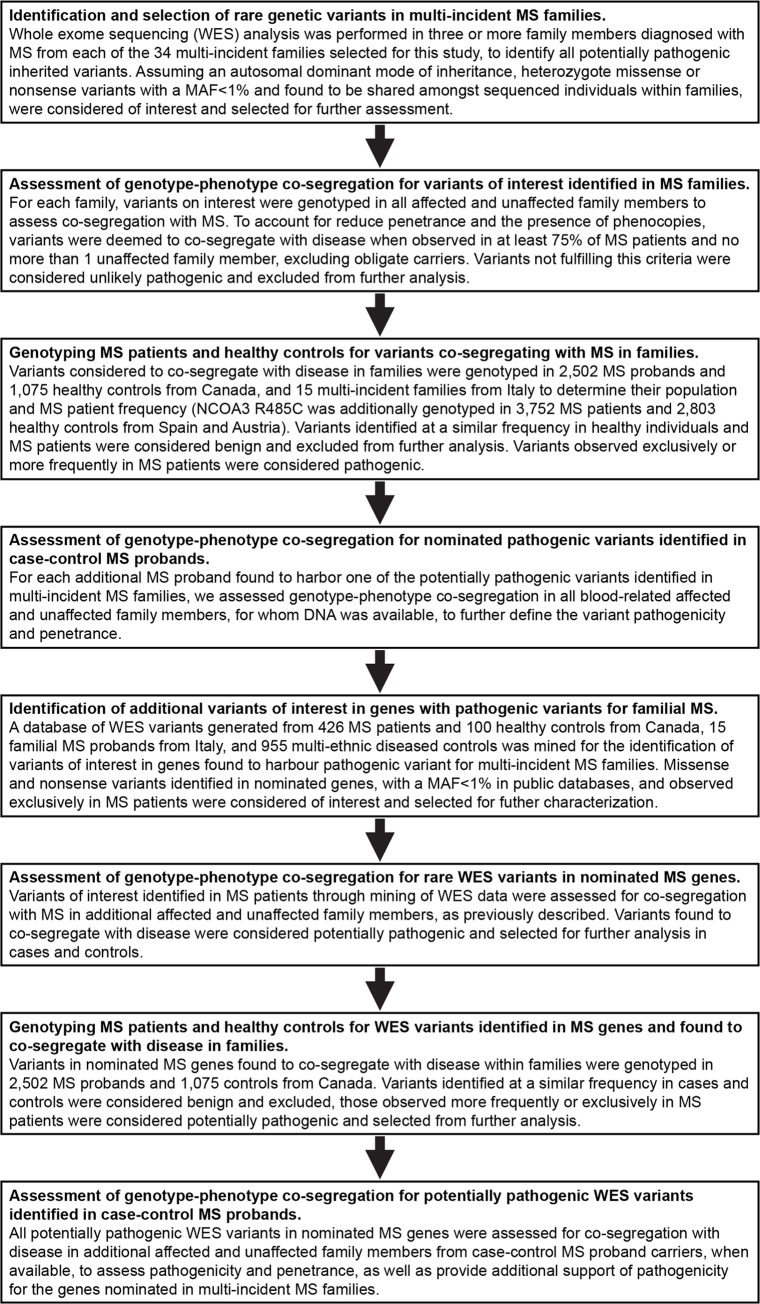
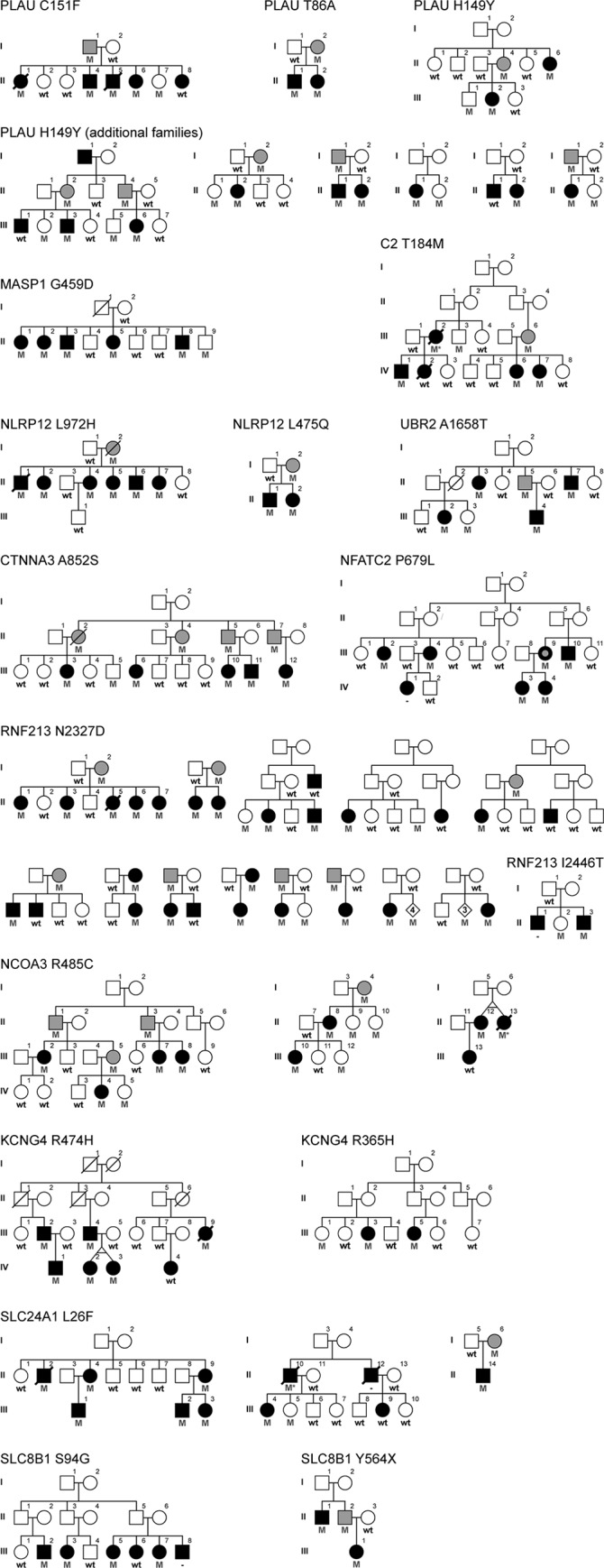
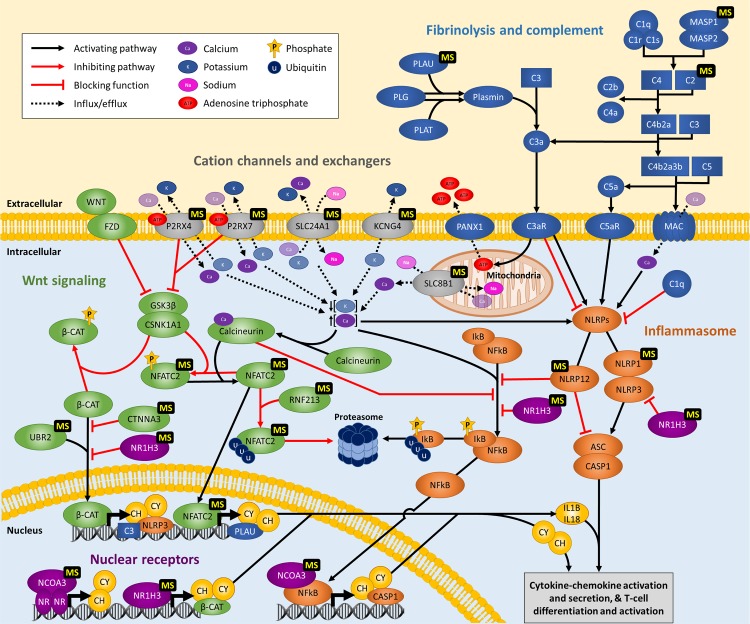
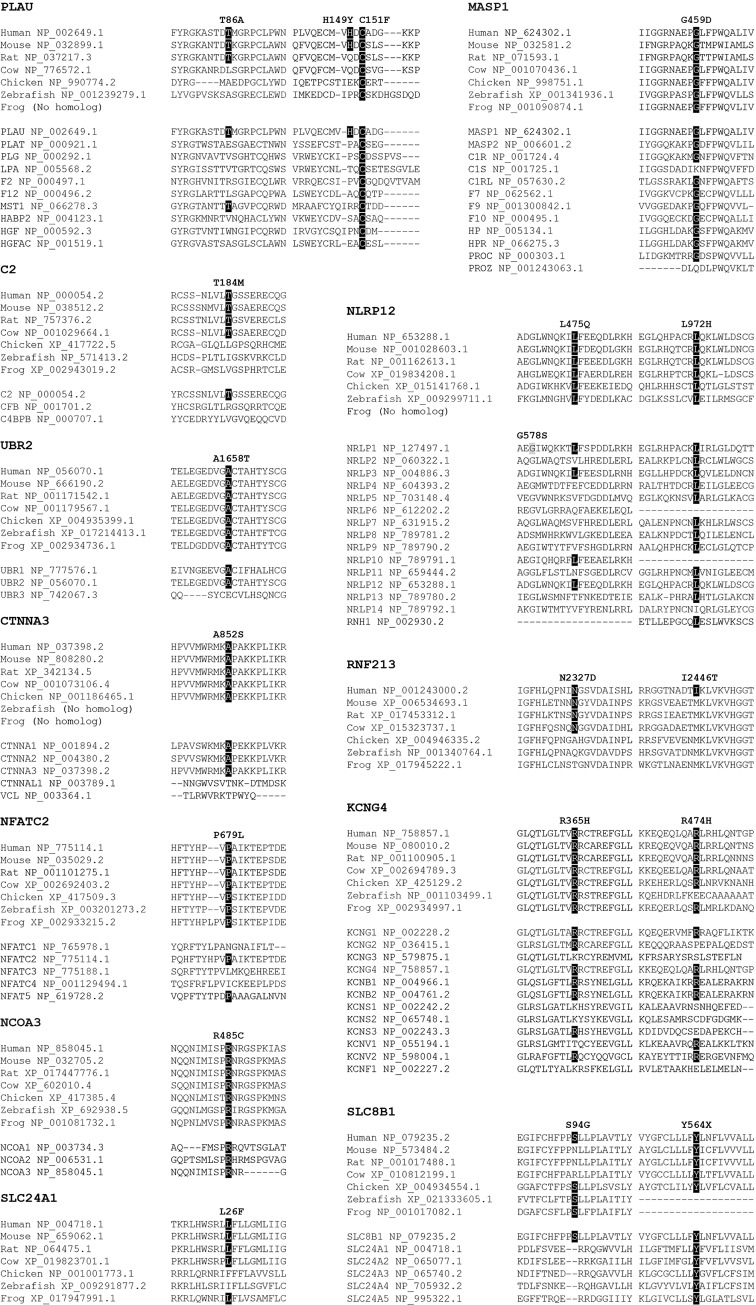
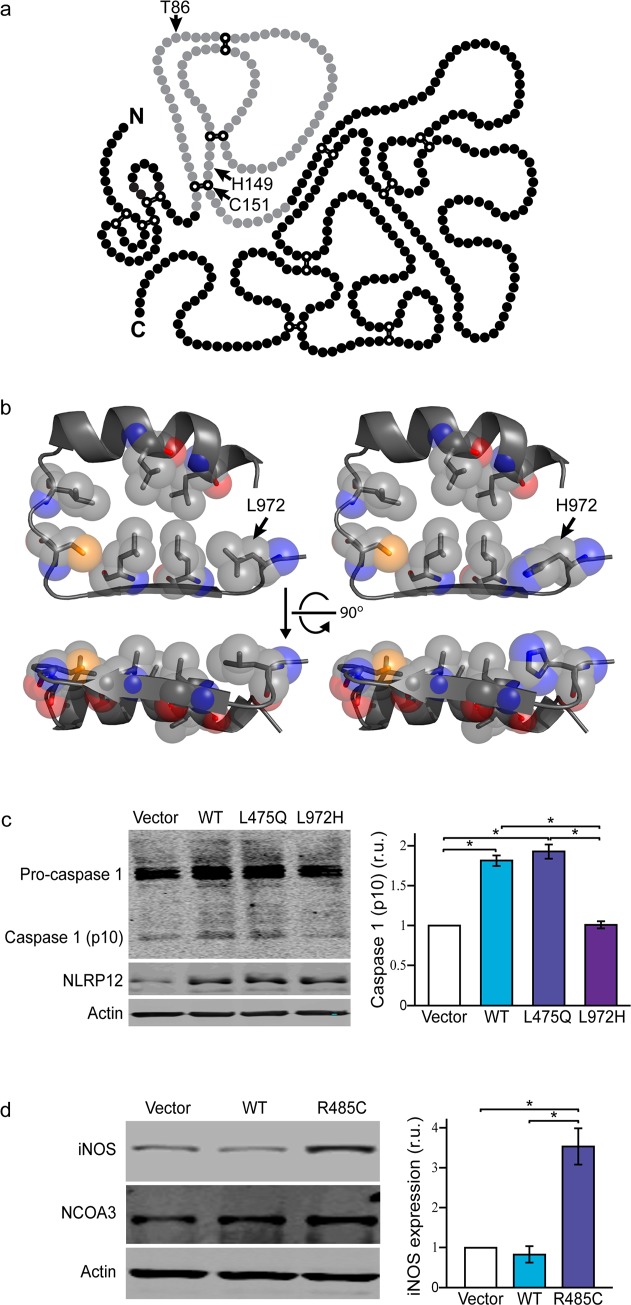
Multiple sclerosis (MS) is an inflammatory disease of the central nervous system characterized by myelin loss and neuronal dysfunction. Although the majority of patients do not present familial aggregation, Mendelian forms have been described. We performed whole-exome sequencing analysis in 132 patients from 34 multi-incident families, which nominated likely pathogenic variants for MS in 12 genes of the innate immune system that regulate the transcription and activation of inflammatory mediators. Rare missense or nonsense variants were identified in genes of the fibrinolysis and complement pathways (PLAU, MASP1, C2), inflammasome assembly (NLRP12), Wnt signaling (UBR2, CTNNA3, NFATC2, RNF213), nuclear receptor complexes (NCOA3), and cation channels and exchangers (KCNG4, SLC24A6, SLC8B1). These genes suggest a disruption of interconnected immunological and pro-inflammatory pathways as the initial event in the pathophysiology of familial MS, and provide the molecular and biological rationale for the chronic inflammation, demyelination and neurodegeneration observed in MS patients.
Conflict of interest statement
The authors have declared that no competing interests exist.
Figures
Comment in
-
Mendelian multiple sclerosis triggers mechanistic rethink.Nat Rev Neurol. 2019 Aug;15(8):436. doi: 10.1038/s41582-019-0223-z. Nat Rev Neurol. 2019. PMID: 31190009 No abstract available.
-
Evaluating the strength of genetic results: Risks and responsibilities.PLoS Genet. 2019 Oct 11;15(10):e1008437. doi: 10.1371/journal.pgen.1008437. eCollection 2019 Oct. PLoS Genet. 2019. PMID: 31603891 Free PMC article. No abstract available.
References
Publication types
MeSH terms
Substances
Grants and funding
LinkOut - more resources
Full Text Sources
Medical
Miscellaneous