


Transcriptome profiling of longissimus thoracis muscles identifies highly connected differentially expressed genes in meat type sheep of India
- PMID: 31170190
- PMCID: PMC6553717
- DOI: 10.1371/journal.pone.0217461
Transcriptome profiling of longissimus thoracis muscles identifies highly connected differentially expressed genes in meat type sheep of India
Abstract
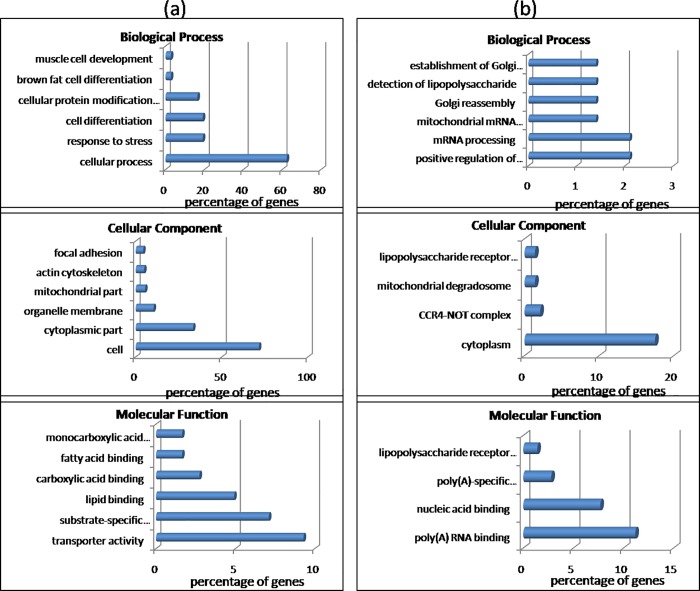
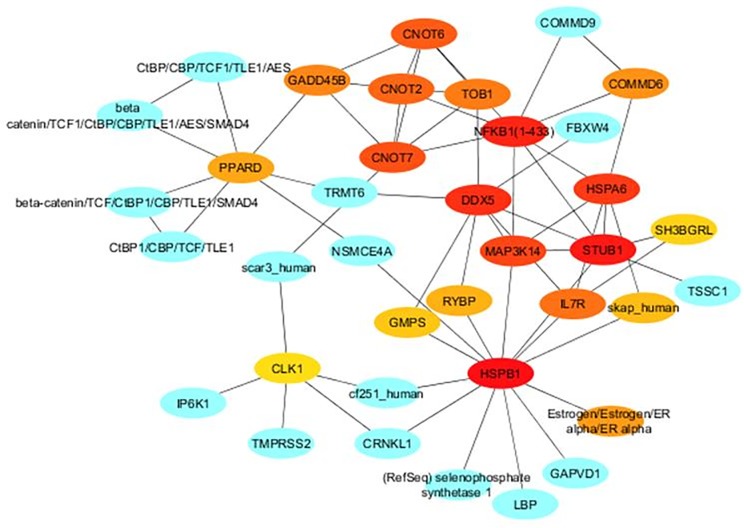
This study describes the muscle transcriptome profile of Bandur breed, a consumer favoured, meat type sheep of India. The transcriptome was compared to the less desirable, unregistered local sheep population, in order to understand the molecular factors related to muscle traits in Indian sheep breeds. Bandur sheep have tender muscles and higher backfat thickness than local sheep. The longissimus thoracis transcriptome profiles of Bandur and local sheep were obtained using RNA sequencing (RNA Seq). The animals were male, non-castrated, with uniform age and reared under similar environment, as well as management conditions. We could identify 568 significantly up-regulated and 538 significantly down-regulated genes in Bandur sheep (p≤0.05). Among these, 181 up-regulated and 142 down-regulated genes in Bandur sheep, with a fold change ≥1.5, were considered for further analysis. Significant Gene Ontology terms for the up-regulated dataset in Bandur sheep included transporter activity, substrate specific transmembrane, lipid and fatty acid binding. The down-regulated activities in Bandur sheep were mainly related to RNA degradation, regulation of ERK1 and ERK2 cascades and innate immune response. The MAPK signaling pathway, Adipocytokine signaling pathway and PPAR signaling pathway were enriched for Bandur sheep. The highly connected genes identified by network analysis were CNOT2, CNOT6, HSPB1, HSPA6, MAP3K14 and PPARD, which may be important regulators of energy metabolism, cellular stress and fatty acid metabolism in the skeletal muscles. These key genes affect the CCR4-NOT complex, PPAR and MAPK signaling pathways. The highly connected genes identified in this study, form interesting candidates for further research on muscle traits in Bandur sheep.
Conflict of interest statement
The authors have declared that no competing interests exist.
Figures


References
-
- BAHS-Basic Animal Husbandry and Fisheries Statistics (AHS series-18). Government of India, Ministry of Agriculture, Department of Animal Husbandry, dairying & Fisheries, Krishi Bhavan, New Delhi.pp1–188. http://dahd.nic.in/Division/statistics/animal-husbandry-statistics-division. 2017.
-
- Bhatia S, Arora R. Biodiversity and Conservation of Indian Sheep Genetic Resources-An Overview. Asian Australasian Journal of Animal Science. 2005; 18 (10):1387–1402.
-
- Soam SK, Ilyas SM. Participatory Socioeconomic Analysis of Geographical Indications in India: Case studies of Palakkadanmatta rice, Kurnool rice, Basmati rice, Pahari aloo, Bannur sheep Soam S K, Ilyas S M, editor. 1–278. National Academy of Agricultural Research Management (NAARM), Rajendranagar, Hyderabad; 2008. http://eprints.naarm.org.in/108/13/Participatory%20Socioeconomic%20Analy....
-
- Acharya RM. Sheep and goat breeds of India FAO Animal production and Health Paper.30, (FAO of United Nations, Rome, Italy: ); 1982.
-
- Reddy KS, Reddy PM, Krishnamacharyulu E, Reddy KK. Certain carcass traits of ram lambs of Nellore, Mandya and their crosses with Suffolk and Dorset Horn under feed lots. Indian Vet. J. 1982;59:217–222.
Publication types
MeSH terms
Substances
LinkOut - more resources
Full Text Sources
Other Literature Sources
Research Materials
Miscellaneous
