Clinical Trial
. 2019 Jun;25(6):936-940.
doi: 10.1038/s41591-019-0476-5. Epub 2019 Jun 6.

Combined BRAF and MEK inhibition with PD-1 blockade immunotherapy in BRAF-mutant melanoma

Affiliations
Clinical Trial

Combined BRAF and MEK inhibition with PD-1 blockade immunotherapy in BRAF-mutant melanoma

Antoni Ribas et al. Nat Med. 2019 Jun.

Erratum in

Abstract

Oncogene-targeted therapy with B-Raf proto-oncogene (BRAF) and mitogen-activated protein kinase kinase (MEK) inhibitors induces a high initial response rate in patients with BRAFV600-mutated melanoma, with a median duration of response of approximately 1 year1-3. Immunotherapy with antibodies to programmed death 1 (PD-1) produces lower response rates but with long response duration. Preclinical models suggest that combining BRAF and MEK inhibitors with PD-1 blockade therapy improves antitumor activity4-6, which may provide additional treatment options for patients unlikely to have long-lasting responses to either mode of therapy alone. We enrolled 15 patients with BRAFV600-mutated metastatic melanoma in a first-in-human clinical trial of dabrafenib, trametinib and pembrolizumab ( NCT02130466 ). Eleven patients (73%) experienced grade 3/4 treatment-related adverse events, the most common being elevation of liver function tests and pyrexia, most of which resolved with drug interruption or discontinuation of either the anti-PD-1 antibody or the targeted therapy combination. Eleven patients (73%; 95% confidence interval = 45-92%) had an objective response, and six (40%; 95% confidence interval = 16-68%) continued with a response at a median follow-up of 27 months (range = 10.3-38.4+ months) for all patients. This study suggests that this triple-combined therapy may benefit a subset of patients with BRAFV600-mutated metastatic melanoma by increasing the frequency of long-lasting antitumor responses.


Figures
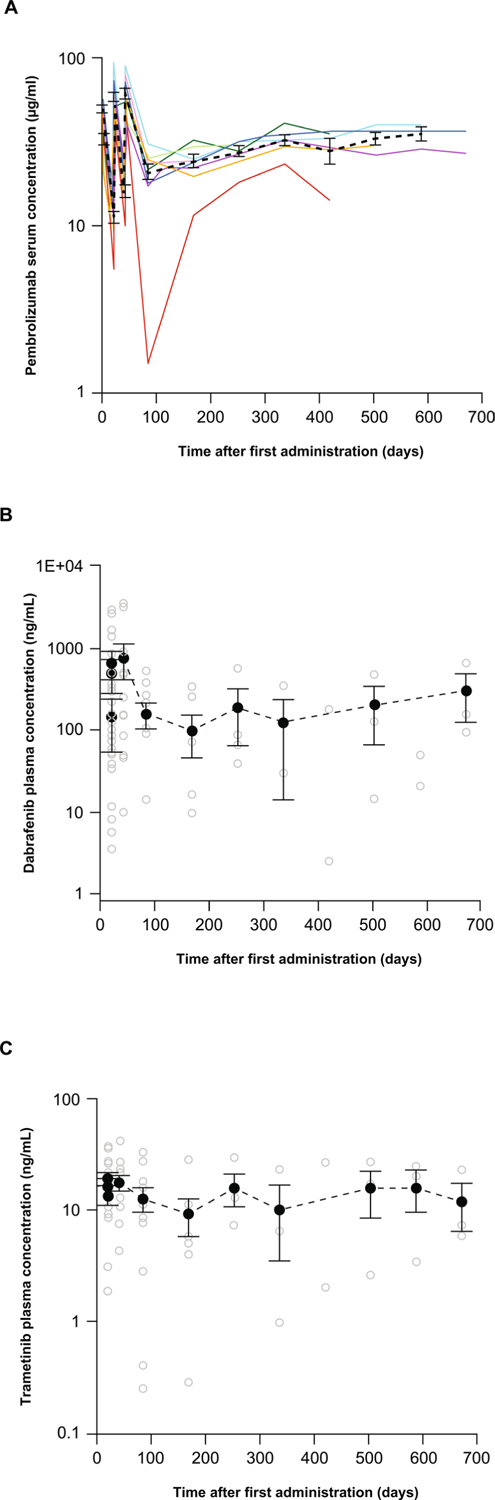
Extended Data Fig. 1 |
Extended Data Fig. 1 |. Pharmacokinetic concentration-time profiles of pembrolizumab, dabrafenib and trametinib.
Pharmacokinetic concentration-time profiles of (a) pembrolizumab, (b) dabrafenib and (c) trametinib following administration of 2 mg/kg pembrolizumab intravenously administered together with multiple oral administrations dabrafenib 150 mg twice daily and trametinib 2 mg daily. Individual concentrations/profiles are presented as colored lines for pembrolizumab and open circles for dabrafenib and trametinib. Arithmetic mean concentration-time profiles (±standard error) are presented as dotted black bold lines.
Extended Data Fig. 2 |
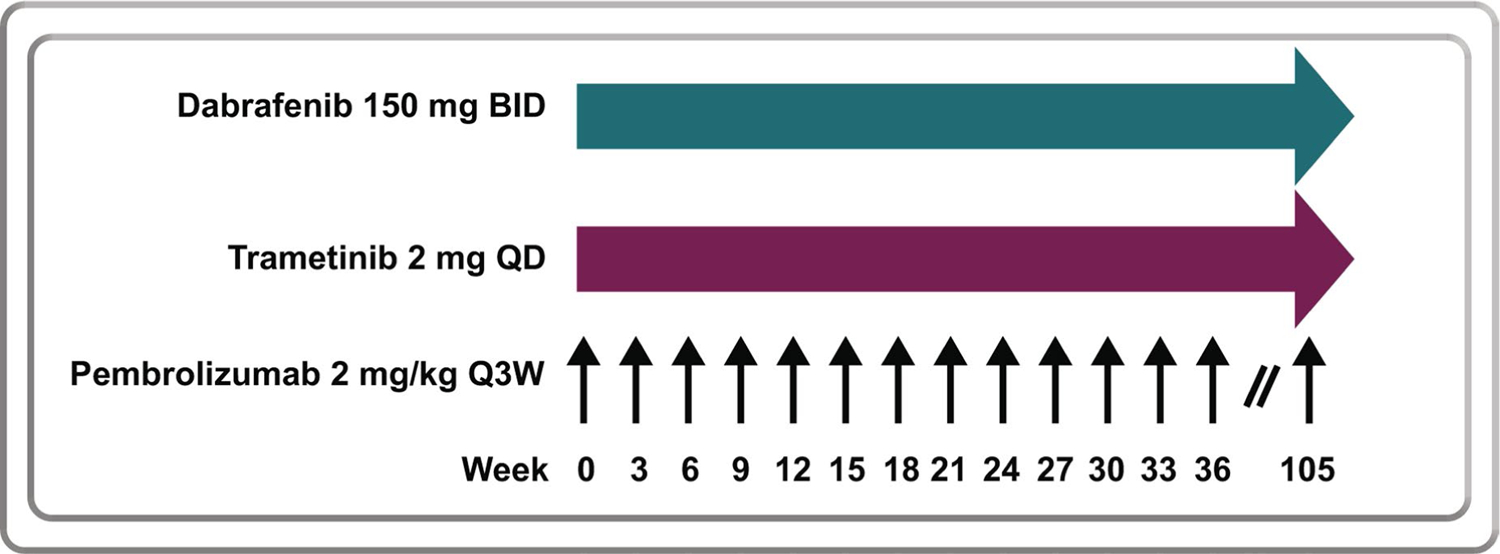
Extended Data Fig. 2 |. Dosing of pembrolizumab in part 2: dose expansion.
Pembrolizumab 2 mg/kg Q3W, trametinib 2 mg QD, and dabrafenib 150 mg BID in the dose expansion phase. BID, twice daily; Q3W, every 3 weeks; QD, once daily.
Extended Data Fig. 3 |
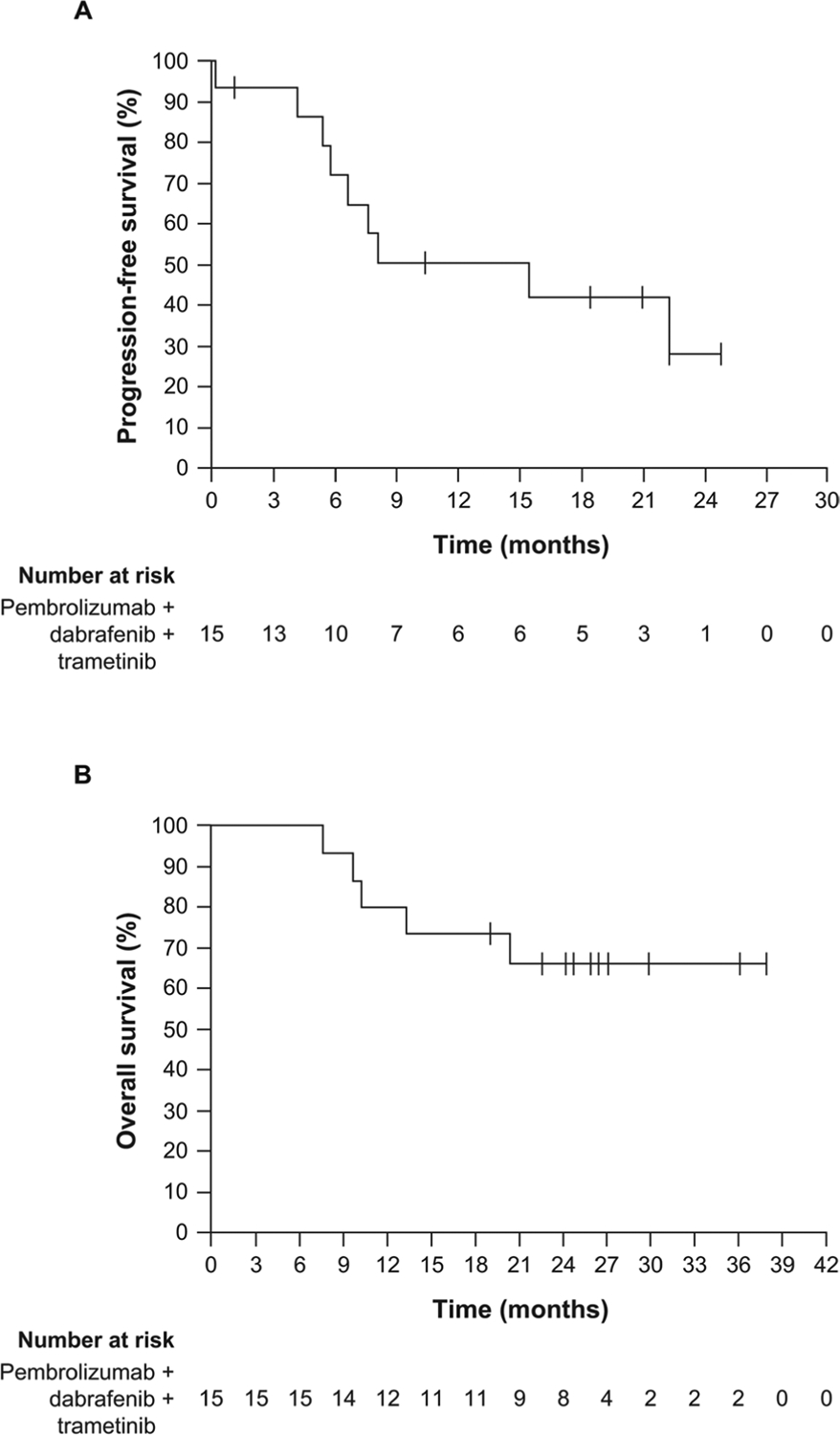
Extended Data Fig. 3 |. Kaplan-Meier estimates of progression-free survival and overall survival.
(a) Progression-free survival and (b) overall survival.
Fig. 1 |
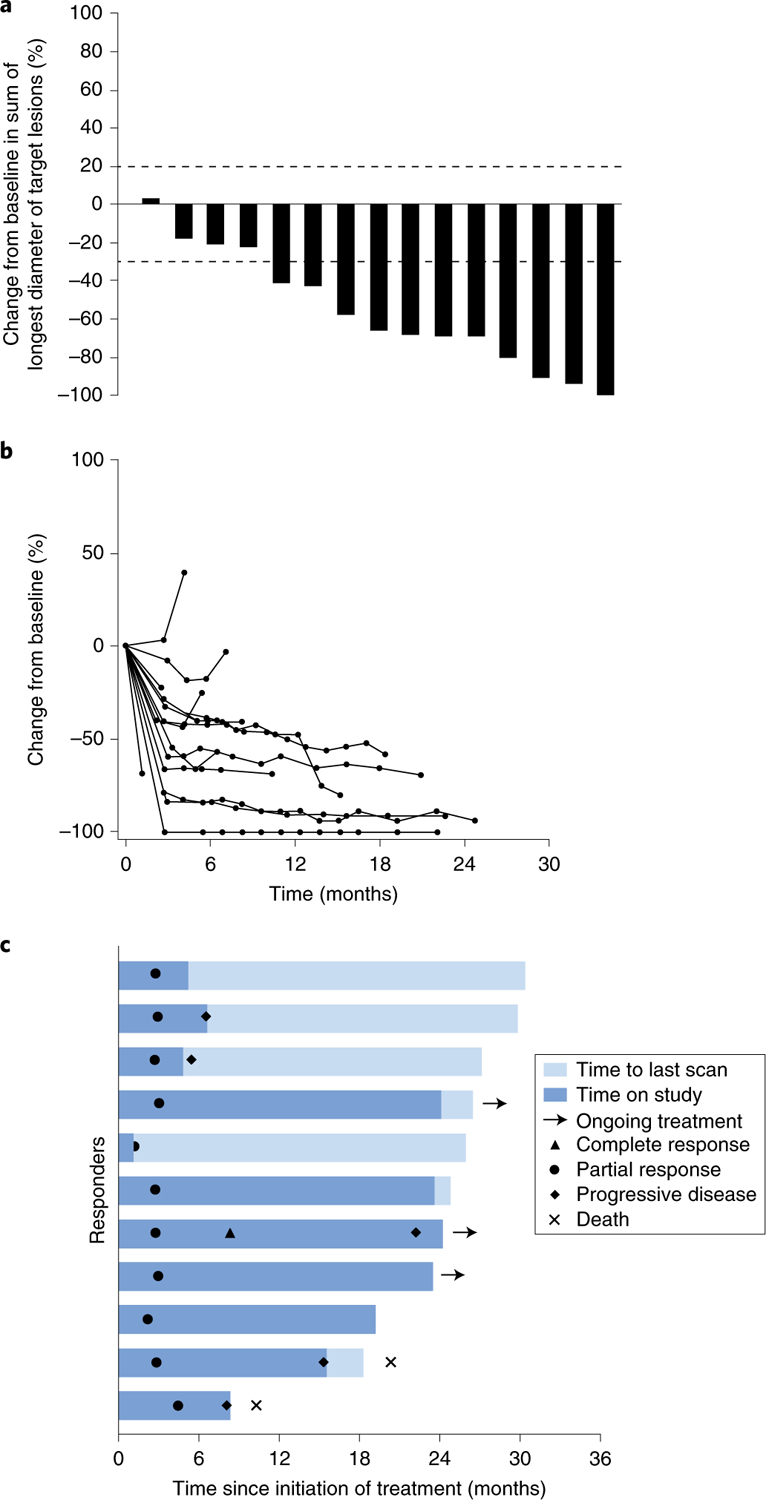
Fig. 1 |. Antitumor activity of combined dabrafenib, trametinib and pembrolizumab.
a, Maximum percentage of change from baseline in the sum of the longest diameter of target lesions, as assessed using RECIST version 1.1 by investigator review (n = 15 patients). Dotted lines indicate 20% increase (cutoff for determination of progressive disease) and 30% decrease from baseline (cutoff for determination of partial response per RECIST v1.1 criteria). b, Longitudinal change from baseline in target lesion size (n = 14 patients) in all patients with measurable disease and at least one post-baseline scan. c, Time to response and duration of response in patients with confirmed and unconfirmed response, assessed using RECIST version 1.1 by investigator review (n = 11 patients). Bar length denotes time to last scan. Patients with ongoing treatment continued the triplet or doublet (dabrafenib + trametinib) treatment beyond 2 years, but off study.
Fig. 2 |
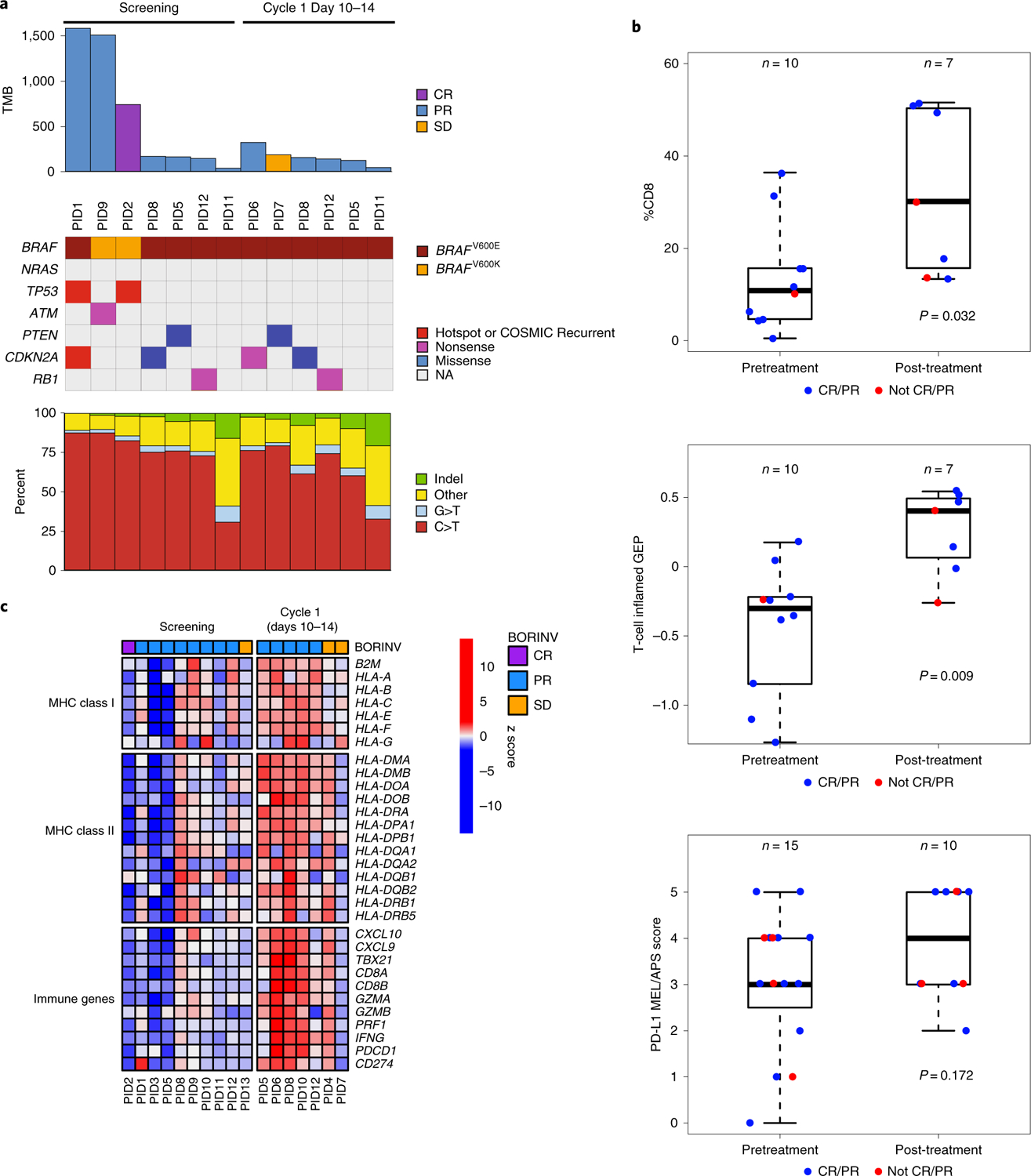
Fig. 2 |. Analyses of biopsy specimens from patients treated with dabrafenib, trametinib, and pembrolizumab (patients with available data per Supplementary Table 9).
a, Top, bar plot showing the TMB for each sample (n = 9 patients). Middle, color-coded matrix showing the type and presence of BRAF, NRAS and tumor suppressor mutations (n = 9 patients; 7 pretreatment, 6, post-treatment). Recurrent mutations are identified as those occurring in >20 patients in COSMIC. CR, complete response; NA, not applicable; PID, patient ID; PR, partial response; SD, stable disease; TMB, total number of somatic mutations. Bottom, bar plot showing mutation spectra for all samples (n = 9 patients). b, Box plots of CD8 positivity by IHC (top), interferon gene expression profiling using the 18-gene T-cell-inflamed GEP score obtained from RNA-Seq biopsy analyses (middle) and PD-L1 IHC staining using the MEL/Allred proportion score (APS) score (bottom), in pre- and post-treatment biopsy samples (Supplementary Tables 10 and 11). Median, lower and upper quantiles (lower and upper quantiles represented by whiskers) for CD8 positivity in pretreatment samples (n = 10 patients) were 10.8, 5.0 and 15.7, and for post-treatment samples (n = 7 patients) they were 30.1, 15.7 and 50.3, respectively. Median, lower and upper quantiles for GEP score in pretreatment samples (n = 10 patients) were −0.3, −0.73 and −0.23, and for post-treatment samples (n = 7 patients) they were 0.4, 0.06 and 0.49, respectively. Median, lower and upper quantiles for MEL/Allred proportion score for pretreatment samples (n = 15 patients) were 3, 2.5 and 4, and for post-treatment samples (n = 10 patients) they were 4, 3 and 5, respectively. c, Heat map of RNA-Seq analysis showing z scores of individual MHC class I and II, and CD8 T-cell-related immune response genes (n = 10 patients with pretreatment samples; n = 7 patients with post-treatment samples). BORINV, best objective response per investigator review.

Comment in

References

    1. Larkin J et al. Combined vemurafenib and cobimetinib in BRAF-mutated melanoma. N. Engl. J. Med 371, 1867–1876 (2014). - PubMed
    1. Long GV et al. Combined BRAF and MEK inhibition versus BRAF inhibition alone in melanoma. N. Engl. J. Med 371, 1877–1888 (2014). - PubMed
    1. Robert C et al. Improved overall survival in melanoma with combined dabrafenib and trametinib. N. Engl. J. Med 372, 30–39 (2015). - PubMed
    1. Homet Moreno B, Mok S, Comin-Anduix B, Hu-Lieskovan S & Ribas A Combined treatment with dabrafenib and trametinib with immune-stimulating antibodies for BRAF mutant melanoma. Oncoimmunology 5, e1052212 (2016). - PMC - PubMed
    1. Deken MA et al. Targeting the MAPK and PI3K pathways in combination with PD1 blockade in melanoma. Oncoimmunology 5, e1238557 (2016). - PMC - PubMed

Publication types

MeSH terms