


Nanovaccines for cancer immunotherapy
- PMID: 31172659
- PMCID: PMC7040494
- DOI: 10.1002/wnan.1559
Nanovaccines for cancer immunotherapy
Abstract
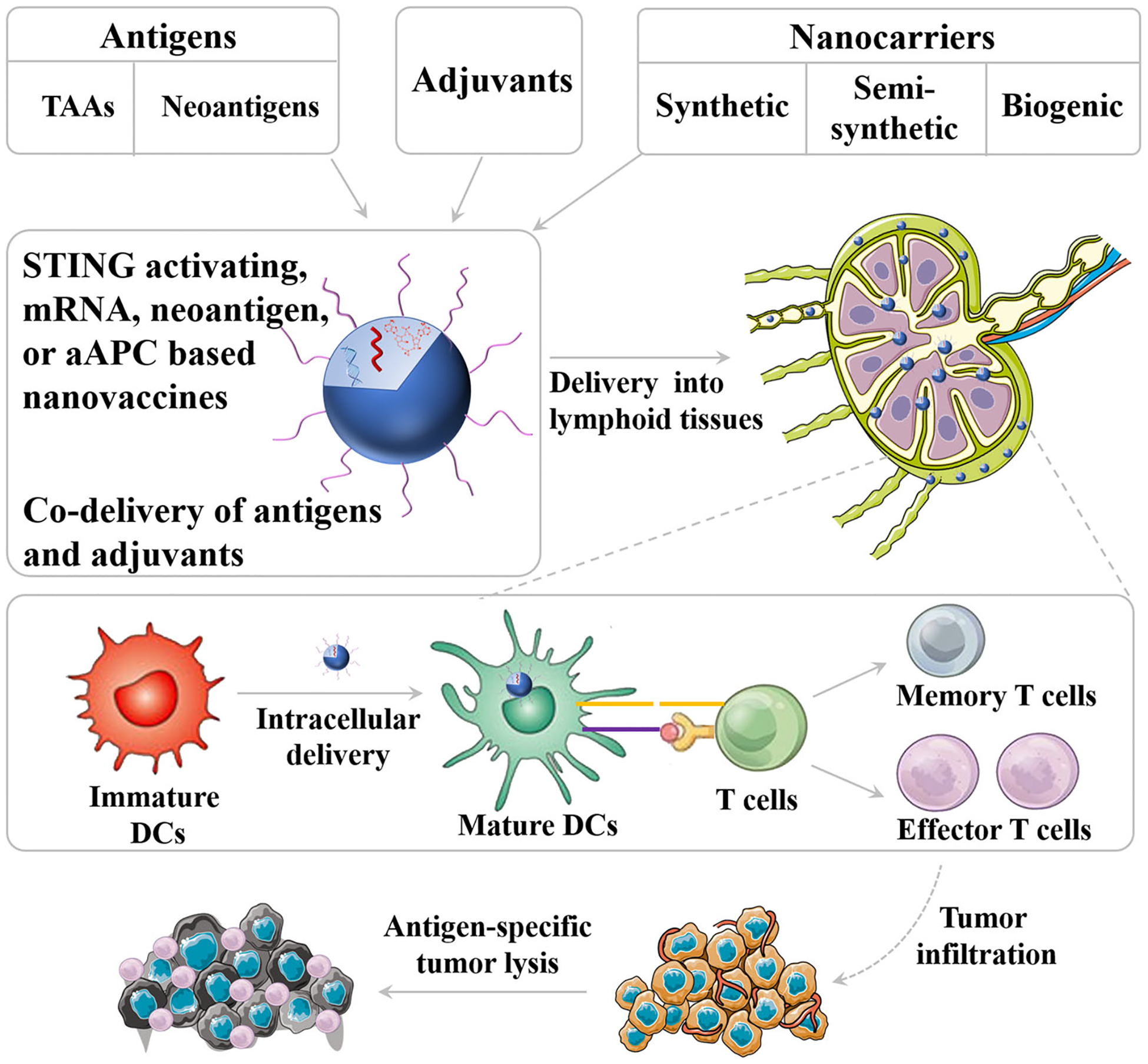
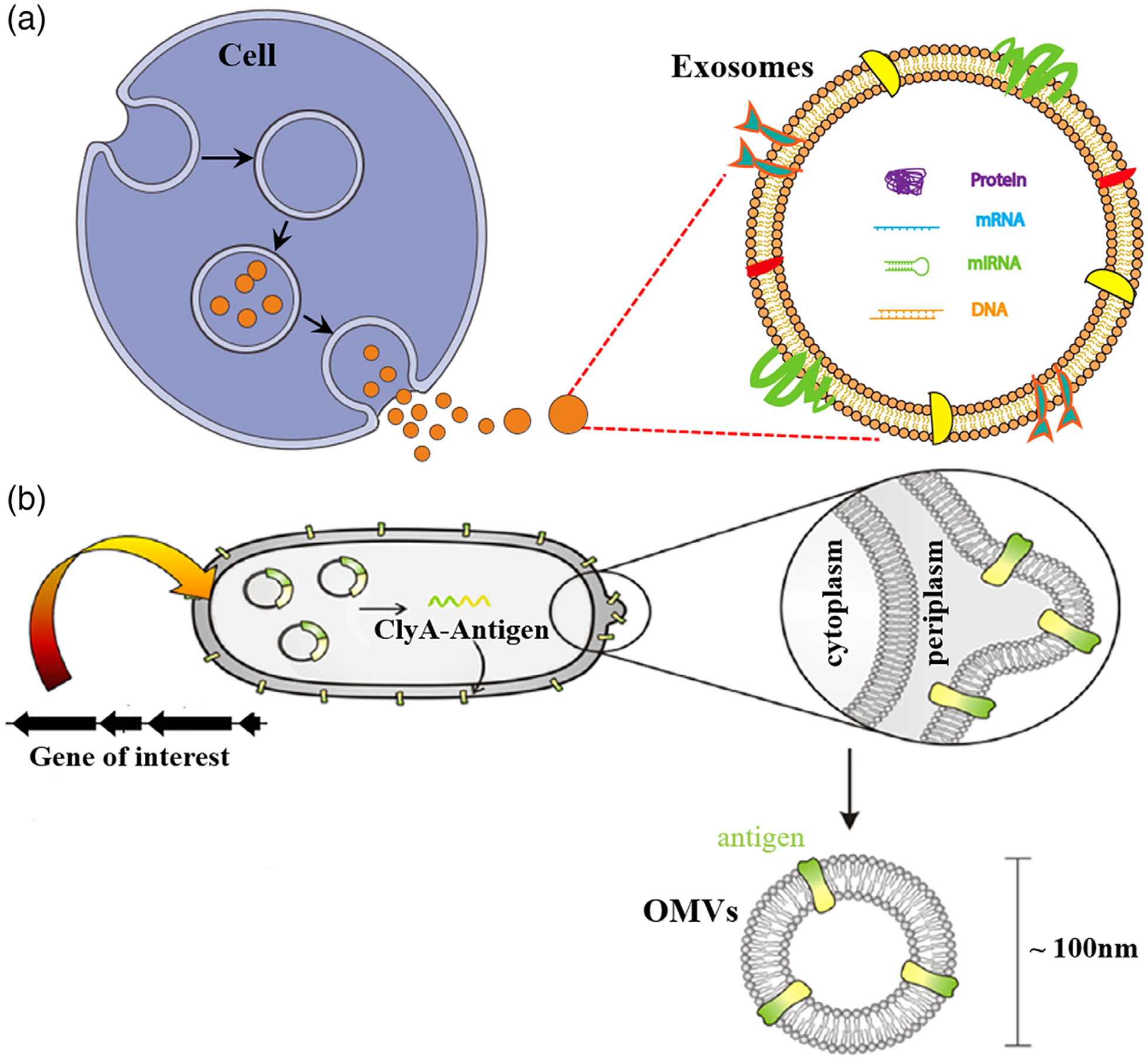
The past few decades have witnessed the booming field of cancer immunotherapy. Cancer therapeutic vaccines, either alone or in combination with other immunotherapies such as adoptive cell therapy or immune checkpoint blockade therapy, are an attractive class of cancer immunotherapeutics. However, cancer vaccines have thus far shown suboptimal efficacy in the clinic. Nanomedicines offer unique opportunities to improve the efficacy of these vaccines. A variety of nanoplatforms have been investigated to deliver molecular or cellular or subcellular vaccines to target lymphoid tissues and cells, thereby promoting the potency and durability of anti-tumor immunity while reducing adverse side effects. In this article, we reviewed the key parameters and features of nanovaccines for cancer immunotherapy; we highlighted recent advances in the development of cancer nanovaccines based on synthetic nanocarriers, biogenic nanocarriers, as well as semi-biogenic nanocarriers; and we summarized newly emerging types of nanovaccines, such as those based on stimulator of interferon genes agonists, cancer neoantigens, mRNA vaccines, as well as artificial antigen-presenting cells. This article is categorized under: Therapeutic Approaches and Drug Discovery > Nanomedicine for Oncologic Disease.
Keywords: STING agonists; cancer immunotherapy; co-delivery; mRNA vaccines; nanocarriers; nanovaccine; neoantigen vaccines.
© 2019 Wiley Periodicals, Inc.
Conflict of interest statement
CONFLICT OF INTEREST
G.Z. was listed as an inventor for the application of a patent associated with immunomodulatory materials.
Figures

References
-
- Bacon A, Caparros-Wanderley W, Zadi B, & Gregoriadis G (2002). Induction of a cytotoxic T lymphocyte (CTL) response to plasmid DNA delivered via Lipodine liposomes. Journal of Liposome Research, 12, 173–183. - PubMed
Publication types
MeSH terms
Substances
Grants and funding
LinkOut - more resources
Full Text Sources
Research Materials
Miscellaneous
