Review
. 2019 Sep;19(9):573-583.
doi: 10.1038/s41577-019-0180-1. Epub 2019 Jun 11.

Mechanisms underlying T cell ageing

Affiliations
Review

Mechanisms underlying T cell ageing

Jörg J Goronzy et al. Nat Rev Immunol. 2019 Sep.

Abstract

T cell ageing has a pivotal role in rendering older individuals vulnerable to infections and cancer and in impairing the response to vaccination. Easy accessibility to peripheral human T cells as well as an expanding array of tools to examine T cell biology have provided opportunities to examine major ageing pathways and their consequences for T cell function. Here, we review emerging concepts of how the body attempts to maintain a functional T cell compartment with advancing age, focusing on three fundamental domains of the ageing process, namely self-renewal, control of cellular quiescence and cellular senescence. Understanding these critical elements in successful T cell ageing will allow the design of interventions to prevent or reverse ageing-related T cell failure.


Conflict of interest statement

Competing interests

The authors declare no competing interests.

Figures
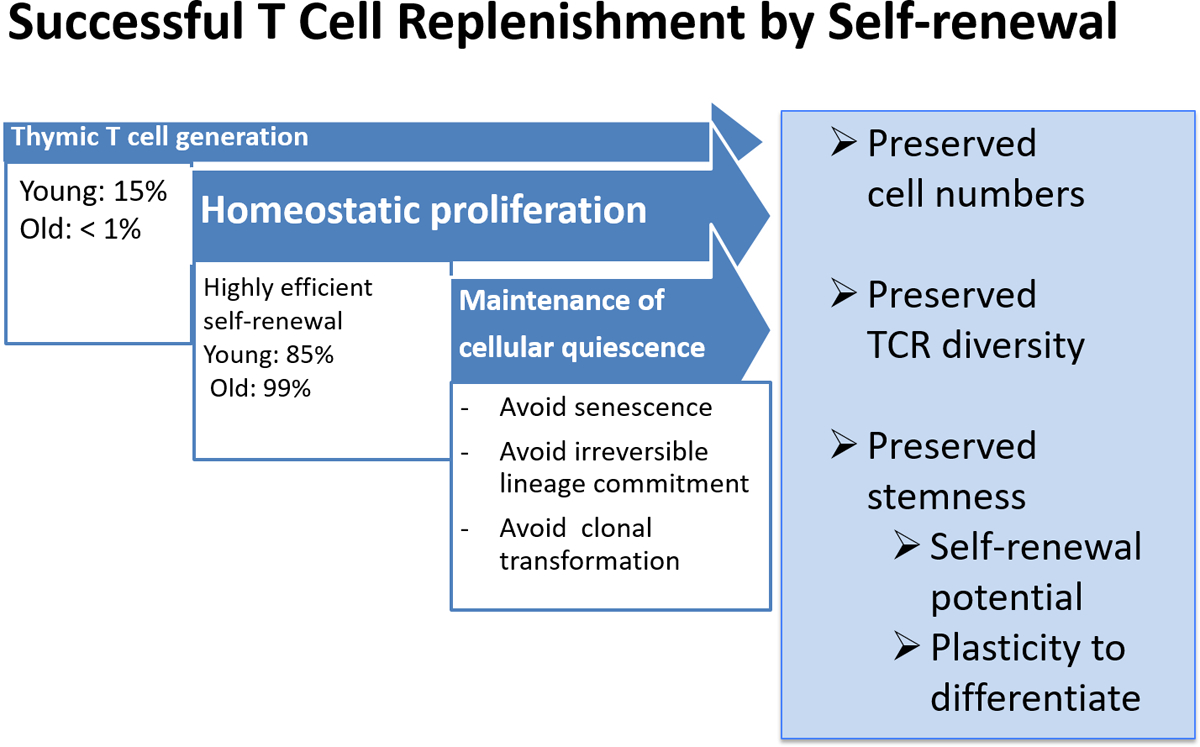
Figure 1 |
Figure 1 |. Successful T cell replenishment by self-renewal.
Throughout adult life, most T cell replenishment occurs by self-renewal of peripheral T cells rather than de novo generation by thymic activity. In healthy ageing, homeostatic proliferation is efficient to maintain a large compartment of naive T cells and is sufficiently stochastic to preserve a highly diverse T cell receptor (TCR) repertoire. Signals driving homeostatic proliferation should be below the threshold that interferes with cellular quiescence and initiates differentiation.
Figure 2 |
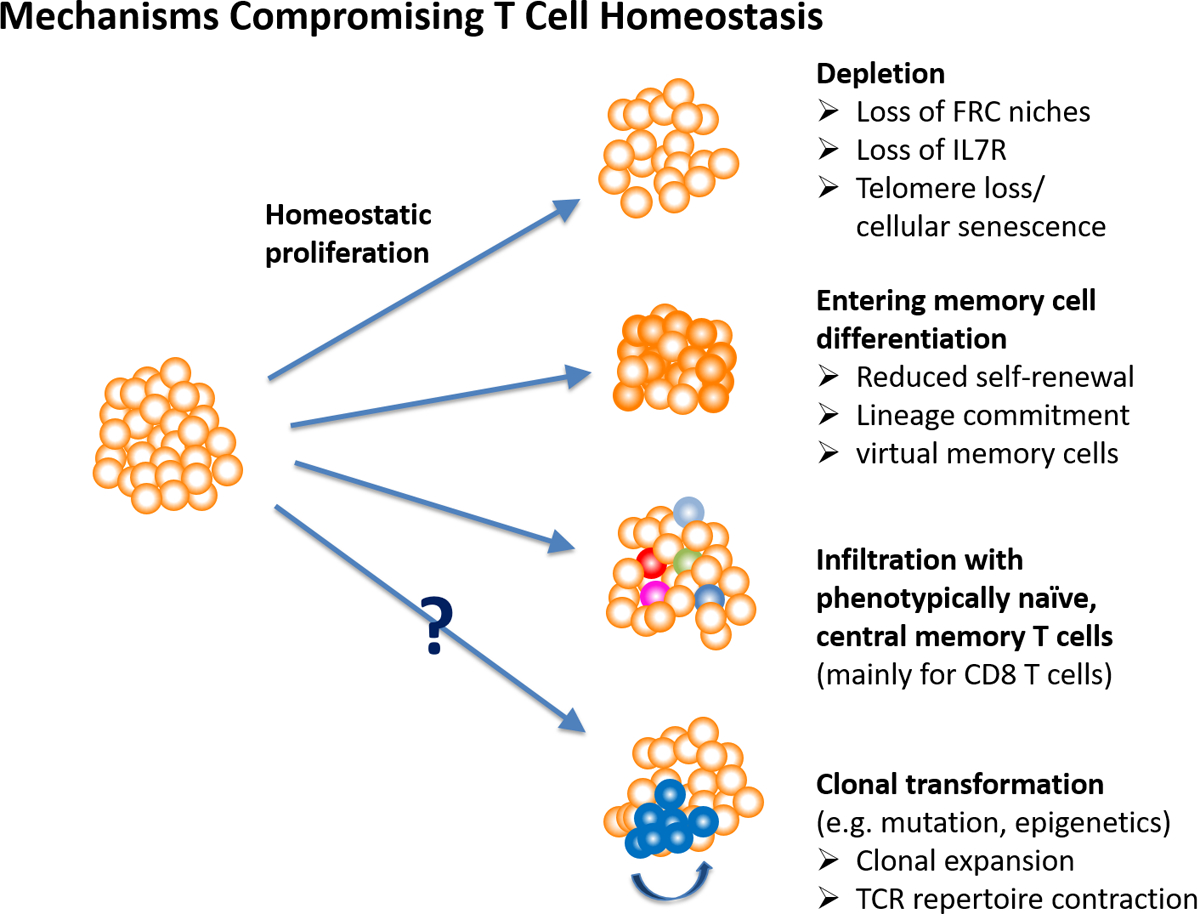
Figure 2 |. Mechanisms compromising T cell homeostasis.
Maintenance of a large, diverse and functional naive T cell compartment can be compromised by several mechanisms. Homeostatic proliferation can be impaired through T cell-intrinsic defects or failing niches formed by fibroblast reticular cell (FRC) networks in the T cell zones of lymph nodes, leading to a reduction in compartment sizes. For unknown reasons, CD8+ naive T cells are more prone for homeostasis failure. If quiescence is not maintained, naive T cells undergo differentiation towards memory T cells. Whether differentiation proceeds as far in humans as seen with virtual memory cells in mice is unclear, but markers of early differentiation states are frequently observed, even in healthy old adults. Again, aged CD8+ T cells appear more susceptible to differentiation. Moreover, the naive T cell compartment can be infiltrated by memory T cells that masquerade as naive T cells and compete for niches. Phenotypic switches regularly occur in CD8+ central memory T cells, but are uncommon for CD4+ T cells. Finally, clonal expansion of selected T cells may occur because of changes in growth behaviour. Such transformations are common for haematopoietic stem cells, but have not been widely studied for T cells. Computer modelling predicts that they could result in rapid contraction of repertoire diversity. TCR, T cell receptor.
Figure 3 |
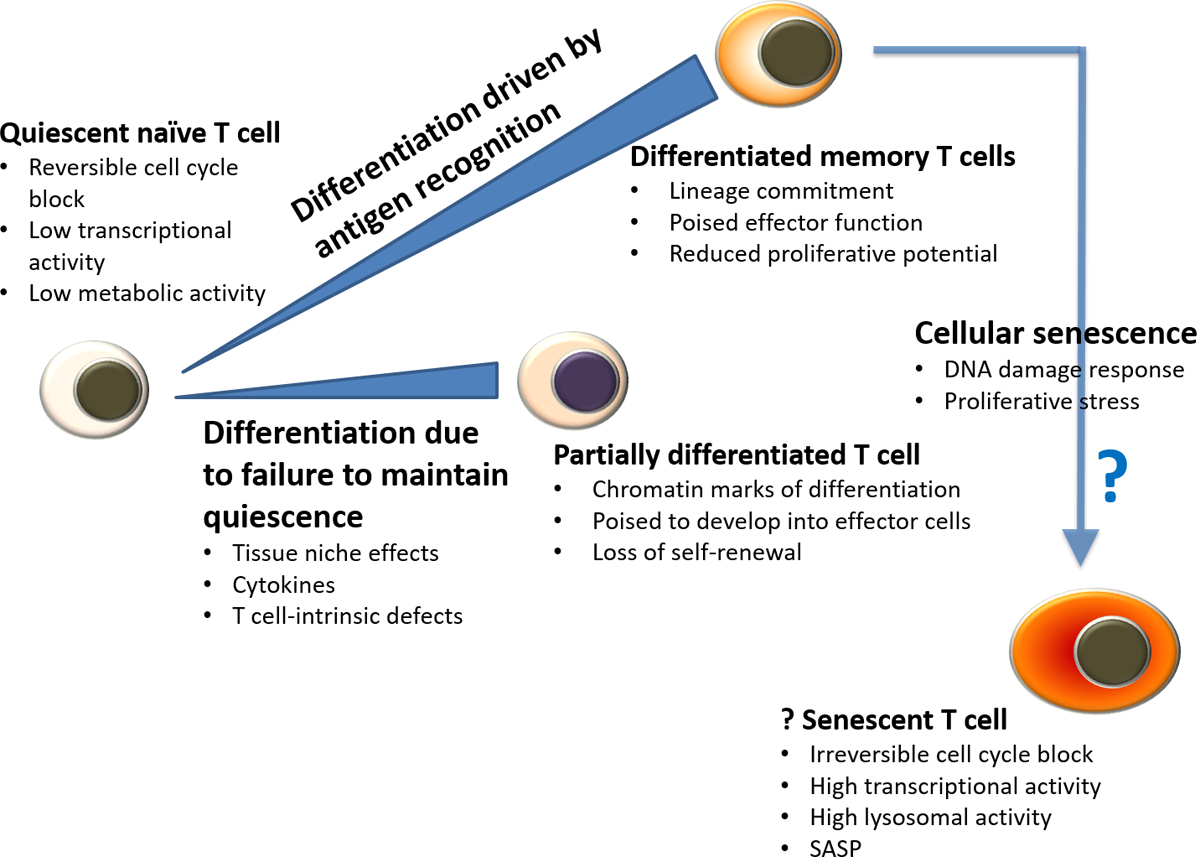
Figure 3 |. Activation of differentiation pathways in T cell ageing.
Many findings in T cell ageing are related to differentiation. Cumulative antigenic experience leads to the accumulation of differentiated cells. Even in the absence of antigen stimulation, T cells can leave their usual quiescent state and accumulate as partially differentiated cells. These cells, as well as functionally differentiated memory T cells, regain quiescence. Cellular senescence is fundamentally different from quiescence. SASP, senescence associated secretory phenotype.
Figure 4 |
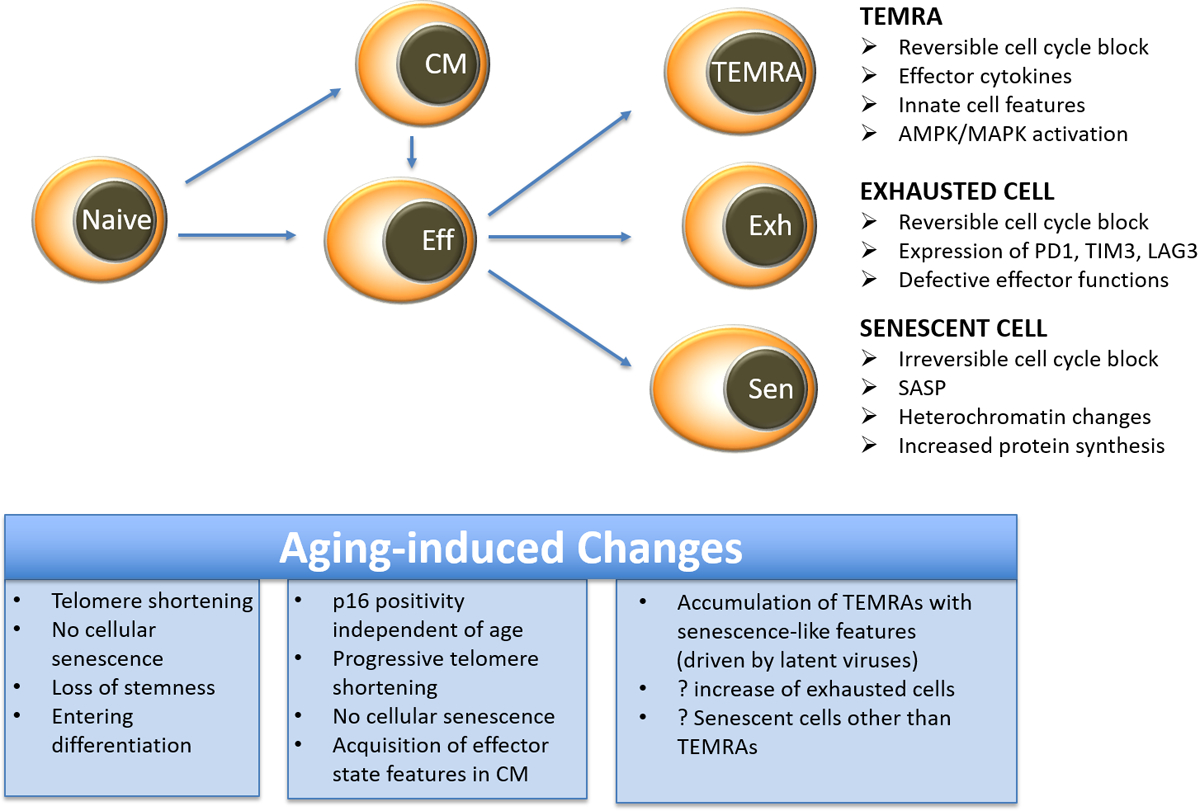
Figure 4 |. Relationship between T cell differentiation and cellular senescence in T cell ageing.
Following activation and differentiation, naive and memory T cells activate pathways that are also involved in developing cellular senescence, such as telomeric erosion, activation of DNA damage responses and expression of cell cycle inhibitors. However, true cellular senescence is not observed in most naive and memory T cells. T effector memory CD45RA cells (TEMRA cells) and exhausted T cells exhibit cell cycle blocks that are still, at least in part, reversible, distinguishing them from truly senescent cells. The excessive cytokine production by TEMRA cells is reminiscent of the senescence associated secretory phenotype (SASP), whereas exhausted T cells lack effector functions, setting them apart from TEMRA cells and senescent cells.
Figure 5 |
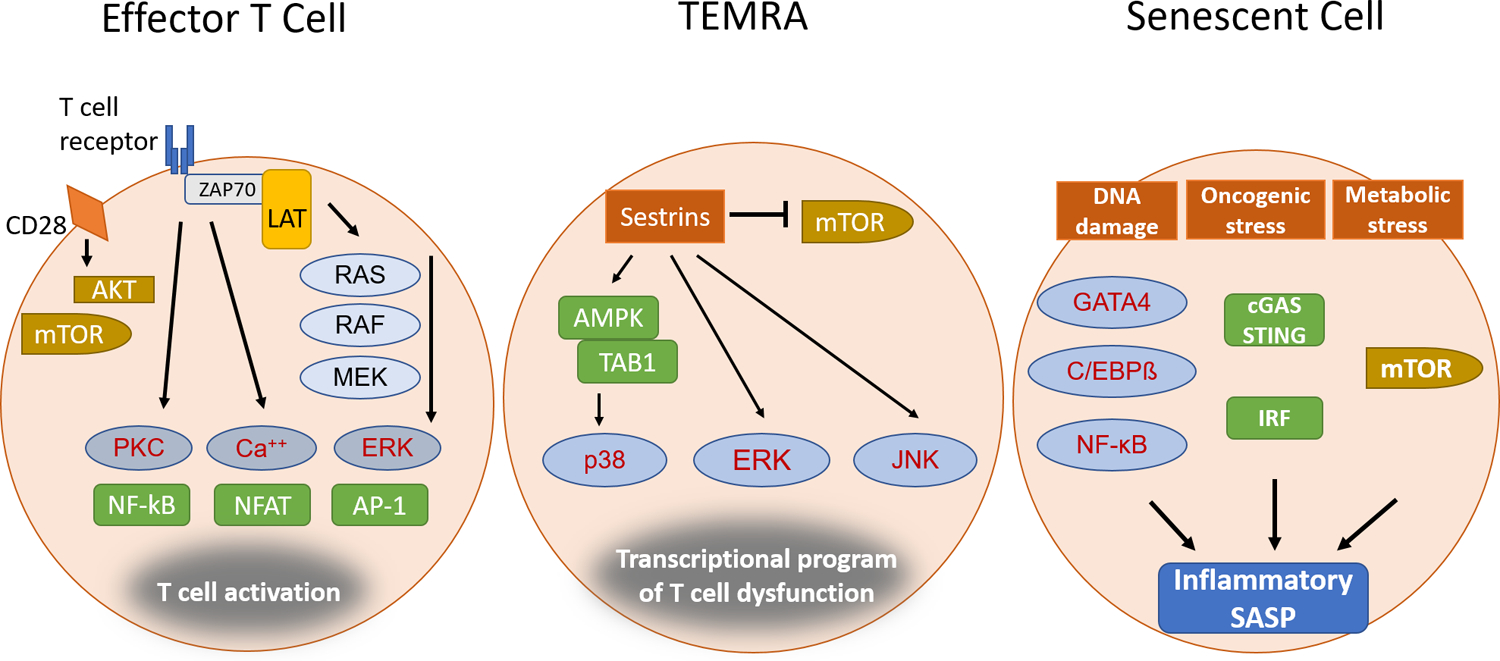
Figure 5 |. Regulation of cytokine transcription in effector T cells, TEMRA cells and senescent cells.
Effector T cells generated during normal immune responses, terminally differentiated T effector memory CD45RA cells (TEMRA cells), which are mostly responsive to latent viruses, and senescent T cells are all characterized by their excessive production of pro-inflammatory mediators. However, the signalling and transcriptional control mechanisms in the different cell states differ. For effector T cells, ligation of T cell receptor (TCR) and CD28 induces a signalling cascade that activates the mammalian target of rapamycin complex 1 (mTORC1) pathway as well as several transcriptional activators. For TEMRA cells, sestrins provide a scaffold for broad mitogen-activated protein kinase (MAPK) activation, in particular activation of p38 MAPK by the AMPK–TAB1 complex, whilemTORC1 is inhibited. For senescent T cells, DNA damage and cellular stress activate signalling pathways, with nuclear factor-κB (NF-κB), p38, C/EBPβ and mTORC1 playing critical roles in regulating the senescence associated secretory phenotype (SASP).

References

    1. Nikolich-Zugich J The twilight of immunity: emerging concepts in aging of the immune system. Nat Immunol 19, 10–19 (2018). - PubMed
    1. Goronzy JJ & Weyand CM Successful and Maladaptive T Cell Aging. Immunity 46, 364–378 (2017). - PMC - PubMed
    1. Del Giudice G et al. Fighting against a protean enemy: immunosenescence, vaccines, and healthy aging. NPJ Aging Mech Dis 4, 1 (2018). - PMC - PubMed
    1. Lal H et al. Efficacy of an adjuvanted herpes zoster subunit vaccine in older adults. N Engl J Med 372, 2087–2096 (2015). - PubMed
    1. Team H-CSP & Consortium H-I Multicohort analysis reveals baseline transcriptional predictors of influenza vaccination responses. Sci Immunol 2 (2017). - PMC - PubMed

Publication types

Substances