


Trichloroethylene in drinking water throughout gestation did not produce congenital heart defects in Sprague Dawley rats
- PMID: 31197966
- PMCID: PMC7432160
- DOI: 10.1002/bdr2.1531
Trichloroethylene in drinking water throughout gestation did not produce congenital heart defects in Sprague Dawley rats
Abstract
Background: Trichloroethylene (TCE) was negative for developmental toxicity after inhalation and oral gavage exposure of pregnant rats but fetal cardiac defects were reported following drinking water exposure throughout gestation. Because of the deficiencies in this latter study, we performed another drinking water study to evaluate whether TCE causes heart defects.
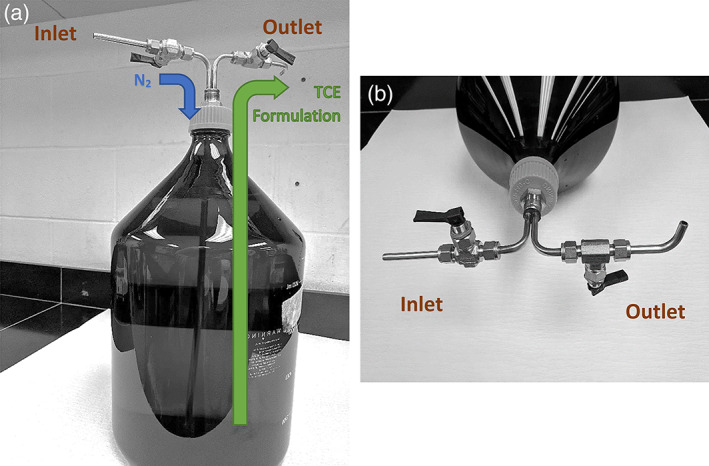
Methods: Groups of 25 mated Sprague Dawley rats consumed water containing 0, 0.25, 1.5, 500, or 1,000 ppm TCE from gestational day 1-21. TCE concentrations were measured at daily formulation, when placed into water bottles each day and when water bottles were removed from cages. Four additional mated rats per group were used for plasma measurements. At termination, fetal hearts were carefully dissected fresh and examined.
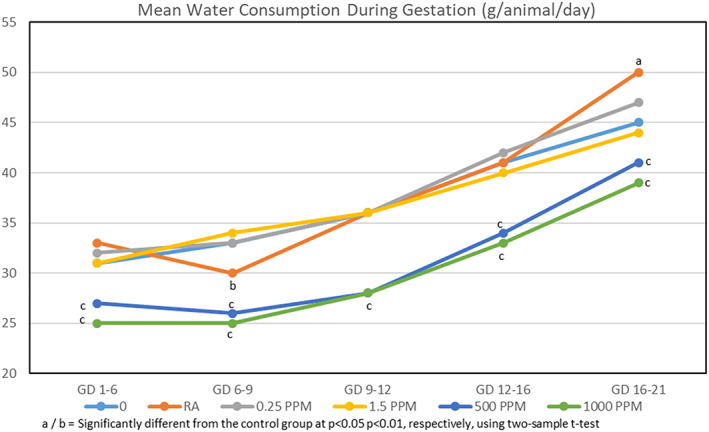
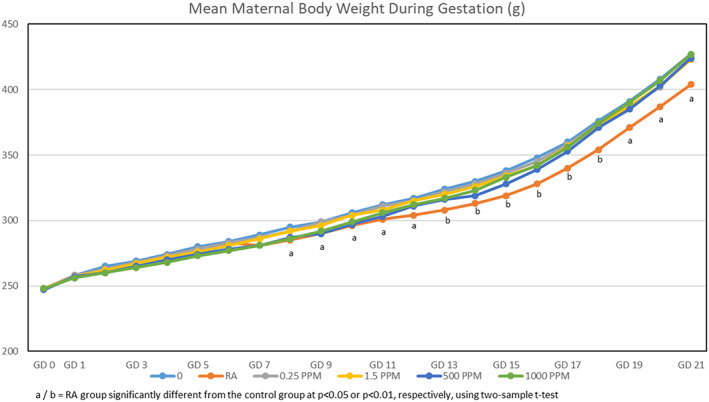
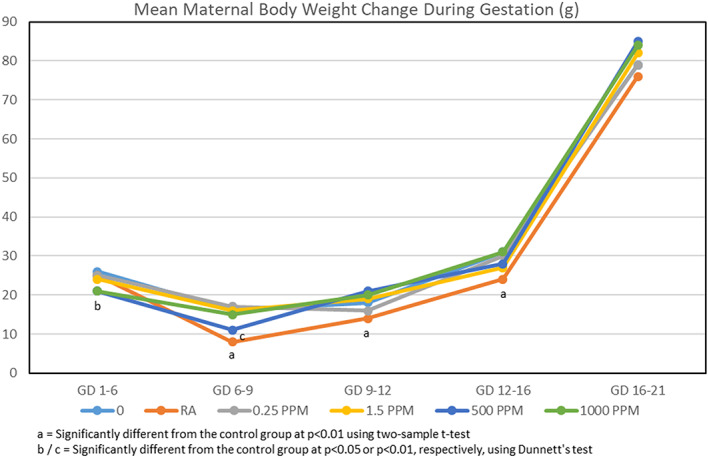
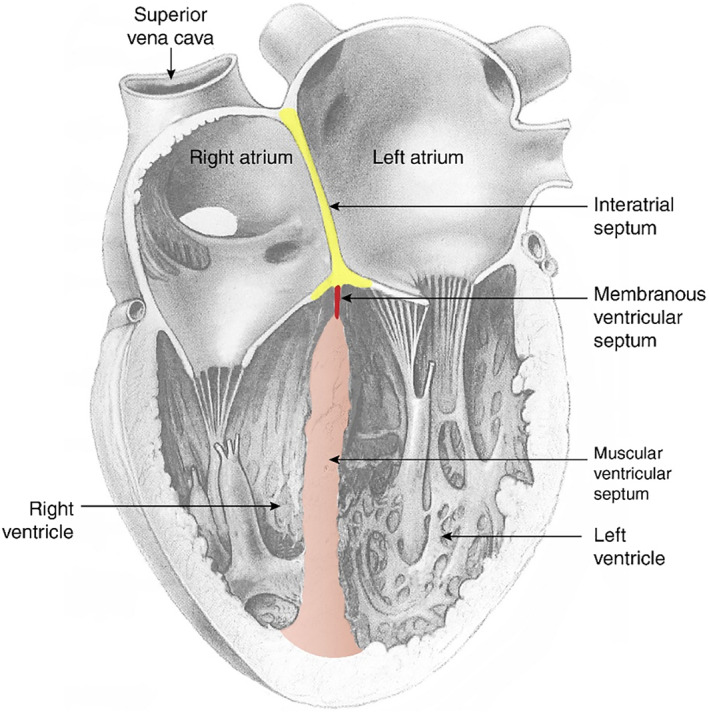
Results: All TCE concentrations were >90% of target when initially placed in water bottles and when bottles were placed on cages. All dams survived with no clinical signs. Rats in the two higher dose groups consumed less water/day than other groups but showed no changes in maternal or fetal weights. The only fetal cardiac observation was small (<1 mm) membranous ventricular septal defect occurring in all treated and water control groups; incidences were within the range of published findings for naive animals. TCE was not detected in maternal blood, but systemic exposure was confirmed by detecting its primary oxidative metabolite, trichloroacetic acid, although only at levels above the quantitation limit in the two higher dose groups.
Conclusions: Ingesting TCE in drinking water ≤1,000 ppm throughout gestation does not cause cardiac defects in rat offspring.
Keywords: TCE; toxicokinetics; trichloroacetic acid; ventricular septal defects.
© 2019 The Authors. Birth Defects Research published by Wiley Periodicals, Inc.
Conflict of interest statement
Dr. Pottenger is retired from the Olin Corporation, a member company of HSIA and a producer of TCE. Dr. Bevan is the Director, Scientific Programs at HSIA and was formerly a consultant to Westlake Chemical Company, a member of HSIA. Dr. Budinsky is an employee of The Dow Chemical Company, a member company of HSIA. The employer of Drs. Bus and DeSesso, Exponent, Inc., has contracts with HSIA. Dr. York is a consultant to HSIA. Drs. Coder and Sen and Ms. Lucarell are employees of Charles River Laboratories Ashland, the contract research organization that performed the research.
Figures
Comment in
-
Letter to the Editor.Birth Defects Res. 2019 Oct 1;111(16):1234-1236. doi: 10.1002/bdr2.1573. Epub 2019 Aug 5. Birth Defects Res. 2019. PMID: 31385457 No abstract available.
-
Response to the comments of Runyan et al. on "Trichloroethylene in drinking water throughout gestation did not produce congenital heart defects in Sprague Dawley rats".Birth Defects Res. 2019 Oct 1;111(16):1237-1239. doi: 10.1002/bdr2.1577. Epub 2019 Aug 16. Birth Defects Res. 2019. PMID: 31419071 No abstract available.
References
-
- American Conference of Governmental Industrial Hygienists . (2018). 2018 TLVs® and BEIs® Based on the Documentation of the Threshold Limit Values for Chemical Substances and Physical Agents & Biological Exposure Indices. Cincinnati, OH: ACGIH® Worldwide.
-
- Bloomfield, D. K. (1964). The natural history of ventricular septal defect in patients surviving infancy. Circulation, 29, 914–955. - PubMed
Publication types
MeSH terms
Substances
LinkOut - more resources
Full Text Sources
Medical
