


Hypercholesterolemia affects cardiac function, infarct size and inflammation in APOE*3-Leiden mice following myocardial ischemia-reperfusion injury
- PMID: 31199833
- PMCID: PMC6570022
- DOI: 10.1371/journal.pone.0217582
Hypercholesterolemia affects cardiac function, infarct size and inflammation in APOE*3-Leiden mice following myocardial ischemia-reperfusion injury
Abstract
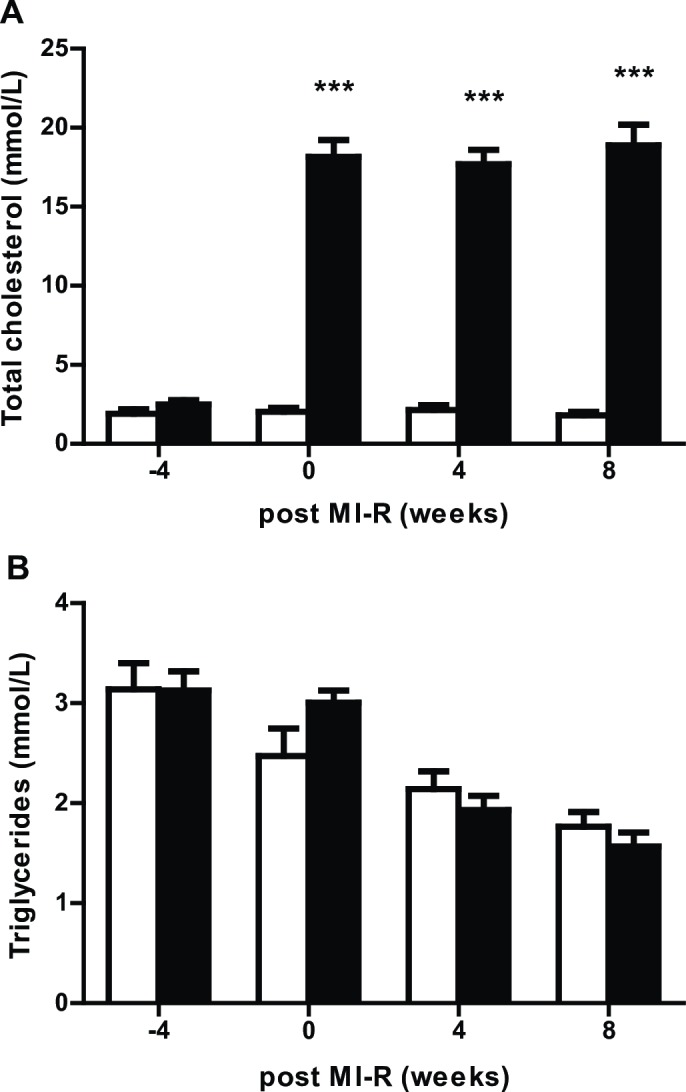
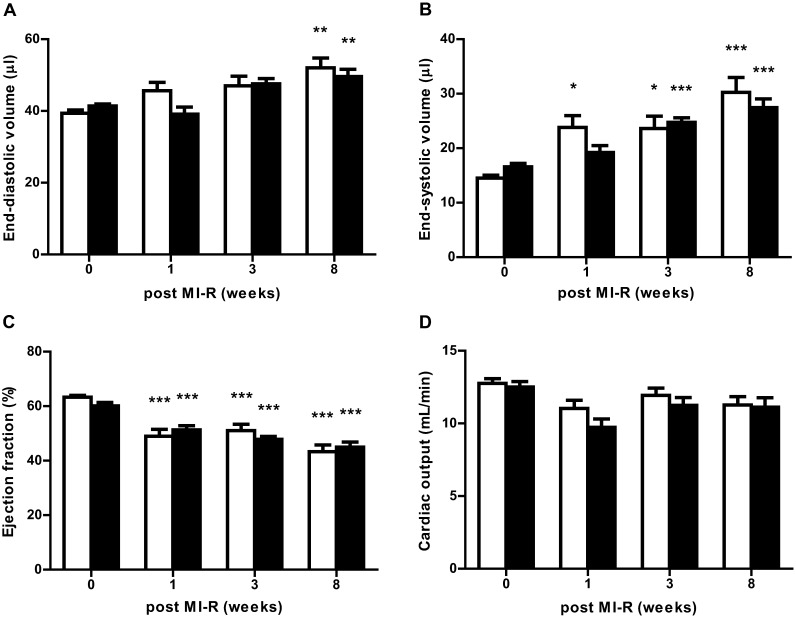
Background: Hypercholesterolemia is a major risk factor for ischemic heart disease including acute myocardial infarction. However, long-term effects of hypercholesterolemia in a rodent myocardial ischemia-reperfusion injury model are unknown. Therefore, the effects of diet-induced hypercholesterolemia on cardiac function and remodeling were investigated up to eight weeks after myocardial ischemia-reperfusion (MI-R) injury which was induced in either normocholesterolemic (NC-MI) or hypercholesterolemic (HC-MI) APOE*3-Leiden mice.
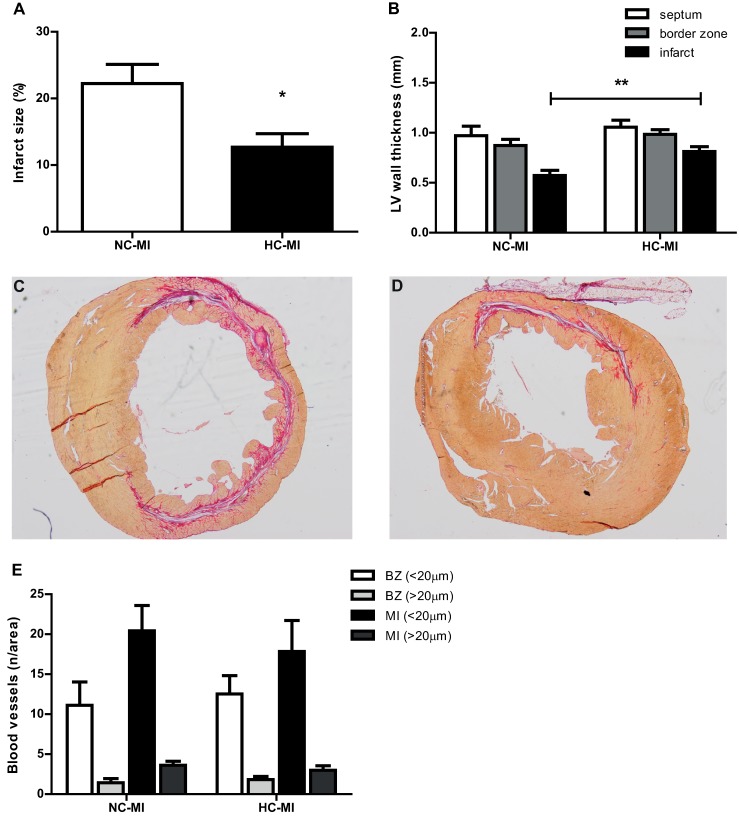
Methods: Left ventricular (LV) dimensions were serially assessed using parasternal long-axis echocardiography followed by LV pressure-volume measurements. Subsequently, infarct size and the inflammatory response were analyzed by histology and fluorescence-activated cell sorting (FACS) analysis.
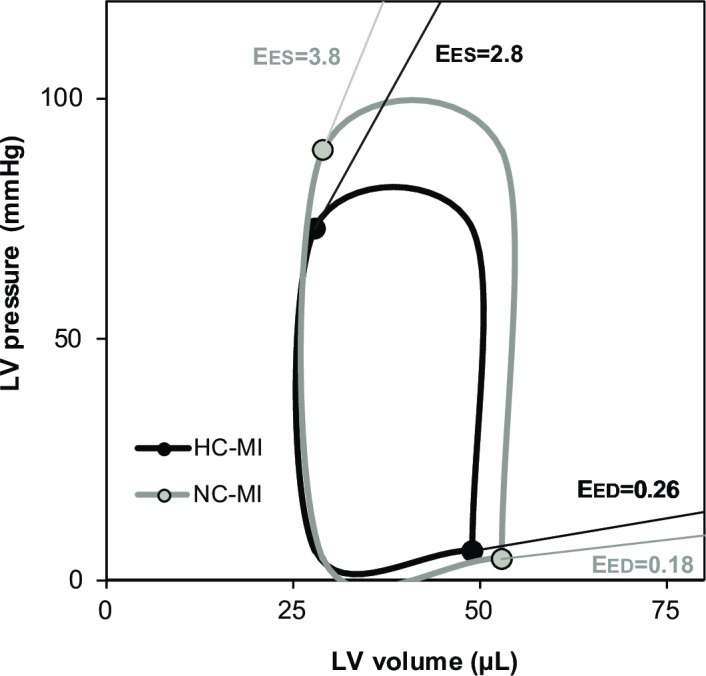
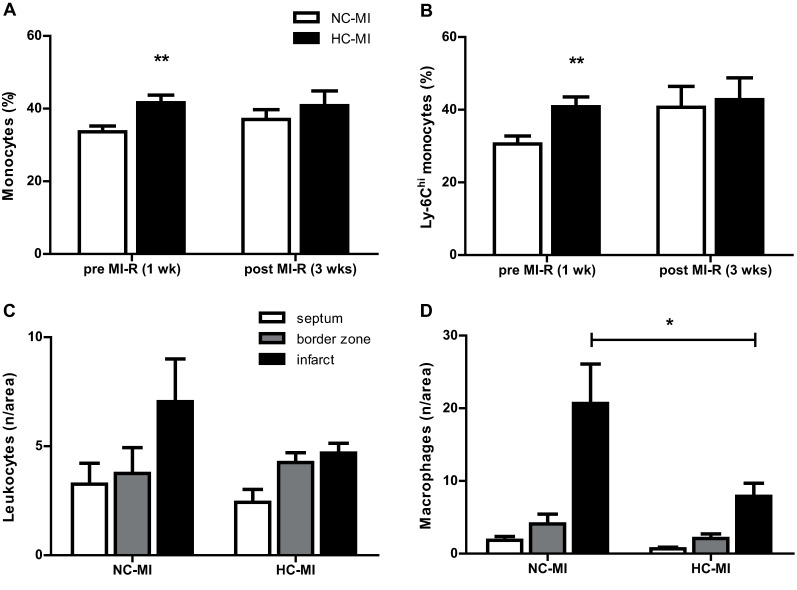
Results: Intrinsic LV function eight weeks after MI-R was significantly impaired in HC-MI compared to NC-MI mice as assessed by end-systolic pressure, dP/dtMAX, and -dP/dtMIN. Paradoxically, infarct size was significantly decreased in HC-MI compared to NC-MI mice, accompanied by an increased wall thickness. Hypercholesterolemia caused a pre-ischemic peripheral monocytosis, in particular of Ly-6Chi monocytes whereas accumulation of macrophages in the ischemic-reperfused myocardium of HC-MI mice was decreased.
Conclusion: Diet-induced hypercholesterolemia caused impaired LV function eight weeks after MI-R injury despite a reduced post-ischemic infarct size. This was preceded by a pre-ischemic peripheral monocytosis, while there was a suppressed accumulation of inflammatory cells in the ischemic-reperfused myocardium after eight weeks. This experimental model using hypercholesterolemic APOE*3-Leiden mice exposed to MI-R seems suitable to study novel cardioprotective therapies in a more clinically relevant animal model.
Conflict of interest statement
The authors have declared that no competing interests exist.
Figures
References
-
- LaRosa JC, Hunninghake D, Bush D, Criqui MH, Getz GS, Gotto AM Jr., et al. The cholesterol facts. A summary of the evidence relating dietary fats, serum cholesterol, and coronary heart disease. A joint statement by the American Heart Association and the National Heart, Lung, and Blood Institute. The Task Force on Cholesterol Issues, American Heart Association. Circulation. 1990;81:1721–1733. 10.1161/01.CIR.81.5.1721 - DOI - PubMed
Publication types
MeSH terms
Substances
Associated data
LinkOut - more resources
Full Text Sources
Medical
Miscellaneous
