


Benefits of dietary supplements on the physical fitness of German Shepherd dogs during a drug detection training course
- PMID: 31199843
- PMCID: PMC6570027
- DOI: 10.1371/journal.pone.0218275
Benefits of dietary supplements on the physical fitness of German Shepherd dogs during a drug detection training course
Abstract
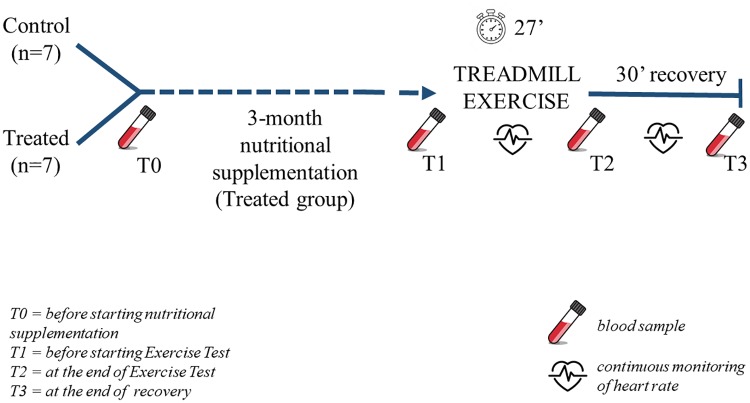
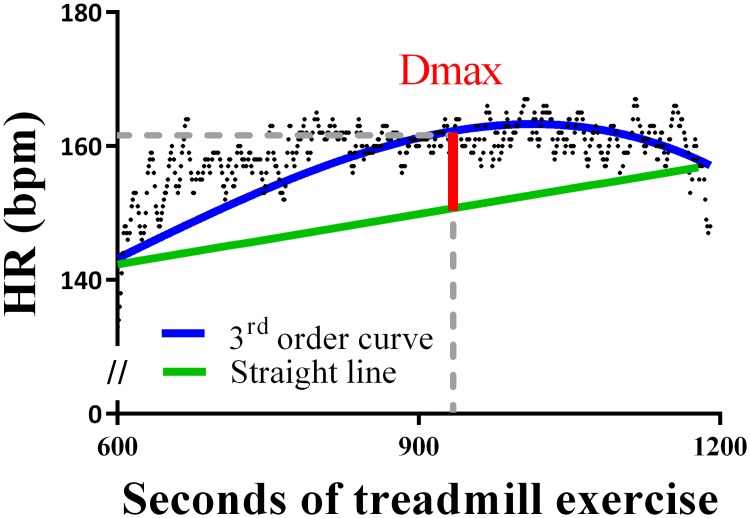
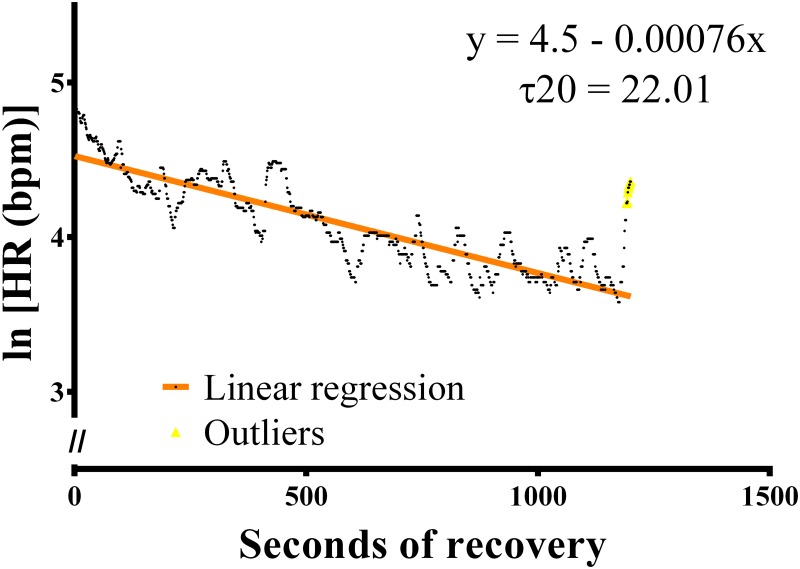
A high standard of physical fitness is an essential characteristic of drug detection dogs because it affects not only their ability to sustain high activity levels but also their attention and olfaction efficiency. Nutritional supplements could improve physical fitness by modulating energy metabolism, oxidative processes, and perceived fatigue. The aim of this study was to investigate the physiological and biochemical changes induced by submaximal exercise on drug detection dogs (German Shepherd breed) and to assess whether a dietary supplement improves their physical fitness. During a drug detection dog training course, seven dogs were fed with a basal diet (Control Group) for three-month period, while a further seven dogs were fed with a basal diet as well as a daily nutritional supplement containing branched-chain and limiting amino acids, carnitine, vitamins, and octacosanol (Treatment Group). At the end of this period, individual physical fitness was assessed by making each subject take a graded treadmill exercise test. A human heart rate monitor system was used to record the dog's heart rate (HR) during the treadmill exercise and the subsequent recovery period. The parameters related to HR were analysed using nonparametric statistics. Blood samples were collected before starting the nutritional supplement treatment, before and after the treadmill exercise and following recovery. Linear mixed models were used. The dietary supplements accelerated HR recovery, as demonstrated by the lower HR after recovery (P<0.05) and Time constants of HR decay (P<0.05), and by the higher Absolute HR Recovered (P<0.05) recorded in the Treatment group compared with the Control dogs. The supplemented dogs showed the lowest concentrations of creatine kinase (CK; P<0.001), aspartate aminotransferase (AST, P<0.05) and non-esterified fatty acids (NEFA; P<0.01) suggesting a reduction in muscle damage and improvement of energy metabolism. These data suggest that this combined supplement can significantly enhance the physical fitness of drug detection dogs.
Conflict of interest statement
We have the following interests: The study was partially funded by Teknofarma Spa. We have used as diet integration a commercial product of the Teknofarma (Iken Up). There are no patents, products in development or further marketed products to declare. This does not alter our adherence to all the PLOS ONE policies on sharing data and materials.
Figures
References
-
- Diverio S, Menchetti L, Riggio G, Azzari C, Iaboni M, Zasso R, et al. Dogs’ coping styles and dog-handler relationships influence avalanche search team performance. Appl Anim Behav Sci. 2017;191: 67–77. 10.1016/j.applanim.2017.02.005 - DOI
-
- Rovira S, Munoz A, Benito M. Effect of exercise on physiological, blood and endocrine parameters in search and rescue-trained dogs. 2008;2008: 333–346.
Publication types
MeSH terms
Substances
LinkOut - more resources
Full Text Sources
Medical
Research Materials
