


Proprietary Algorithms for Polygenic Risk: Protecting Scientific Innovation or Hiding the Lack of It?
- PMID: 31200546
- PMCID: PMC6627729
- DOI: 10.3390/genes10060448
Proprietary Algorithms for Polygenic Risk: Protecting Scientific Innovation or Hiding the Lack of It?
Abstract
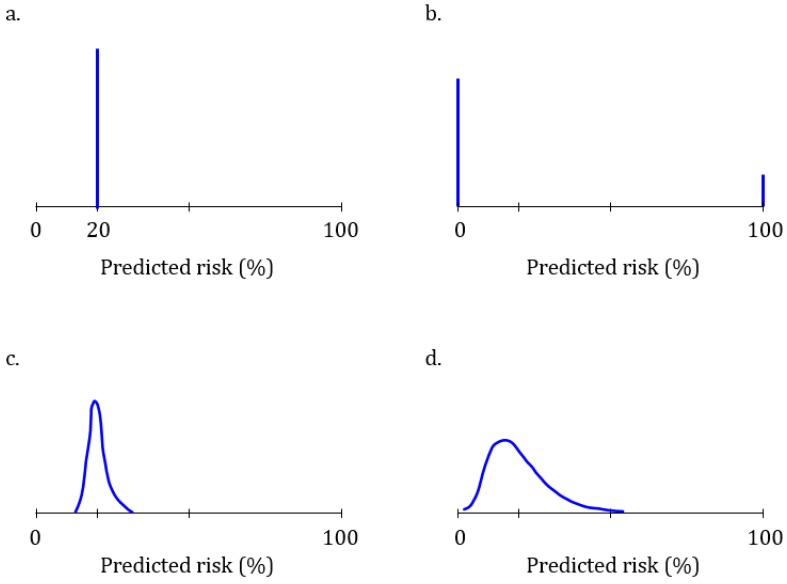
Direct-to-consumer genetic testing companies aim to predict the risks of complex diseases using proprietary algorithms. Companies keep algorithms as trade secrets for competitive advantage, but a market that thrives on the premise that customers can make their own decisions about genetic testing should respect customer autonomy and informed decision making and maximize opportunities for transparency. The algorithm itself is only one piece of the information that is deemed essential for understanding how prediction algorithms are developed and evaluated. Companies should be encouraged to disclose everything else, including the expected risk distribution of the algorithm when applied in the population, using a benchmark DNA dataset. A standardized presentation of information and risk distributions allows customers to compare test offers and scientists to verify whether the undisclosed algorithms could be valid. A new model of oversight in which stakeholders collaboratively keep a check on the commercial market is needed.
Keywords: DNA; autonomy; calibration; discrimination; personal genomics; polygenic; prediction; regulation; risk; transparency.
Conflict of interest statement
The author declares no conflict of interest.
Figures
References
-
- Imai K., Kricka L.J., Fortina P. Concordance Study of 3 Direct-to-Consumer Genetic-Testing Services. Clin. Chem. 2011;57:518–521. - PubMed
-
- Kutz G. Direct-to-Consumer Genetic Tests: Misleading Test Results Are Further Complicated by Deceptive Marketing and Other Questionable Practices: Testimony before the Subcommittee on Oversight and Investigations, Committee on Energy and Commerce, House of Representatives. U.S. Government Accountability Office; Washington, DC, USA: 2010. [(accessed on 10 June 2019)]. Available online: http://www.gao.gov/new.items/d10847t.pdf.
-
- United States Code, 2006 Edition, Supplement 5, Title 18 - Crimes and criminal procedure. Section 1836 - Civil proceedings to enjoin violations
MeSH terms
LinkOut - more resources
Full Text Sources
Medical
