


The effects of acupuncture on pregnancy outcomes of in vitro fertilization: a systematic review and meta-analysis
- PMID: 31200701
- PMCID: PMC6570865
- DOI: 10.1186/s12906-019-2523-7
The effects of acupuncture on pregnancy outcomes of in vitro fertilization: a systematic review and meta-analysis
Abstract
Background: The effects of acupuncture on in vitro fertilization (IVF) outcomes remain controversial. And the variation in participant, interventions, outcomes studied, and trial design may relate to the efficacy of adjuvant acupuncture.
Methods: We searched digital databases for relevant studies, including Embase, PubMed, Cochrane Library and some Chinese databases up to December 2018, for randomized controlled trials (RCTs) evaluating the effects of acupuncture on women undergoing IVF. We included studies with intervention groups using needling, and control groups consisting of no acupuncture or sham (placebo) acupuncture. Primary outcomes were clinical pregnancy rate (CPR) and live birth rate (LBR). Meta-regression and subgroup analysis were conducted on the basis of eight pre-specified covariates to investigate the variances of the effects of adjuvant acupuncture on pregnancy rates and the sources of heterogeneity.
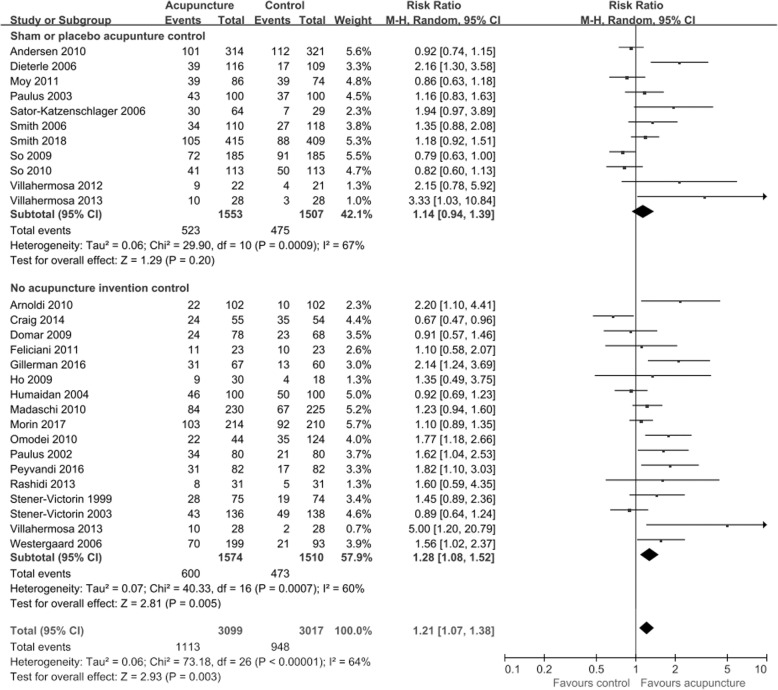
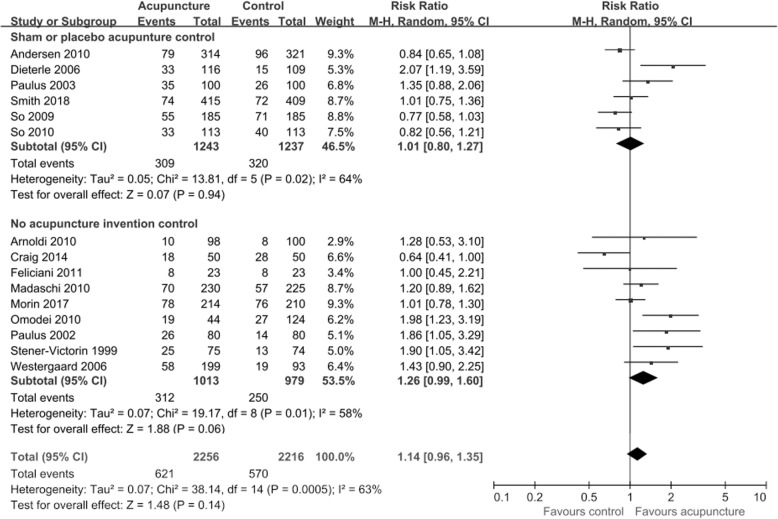
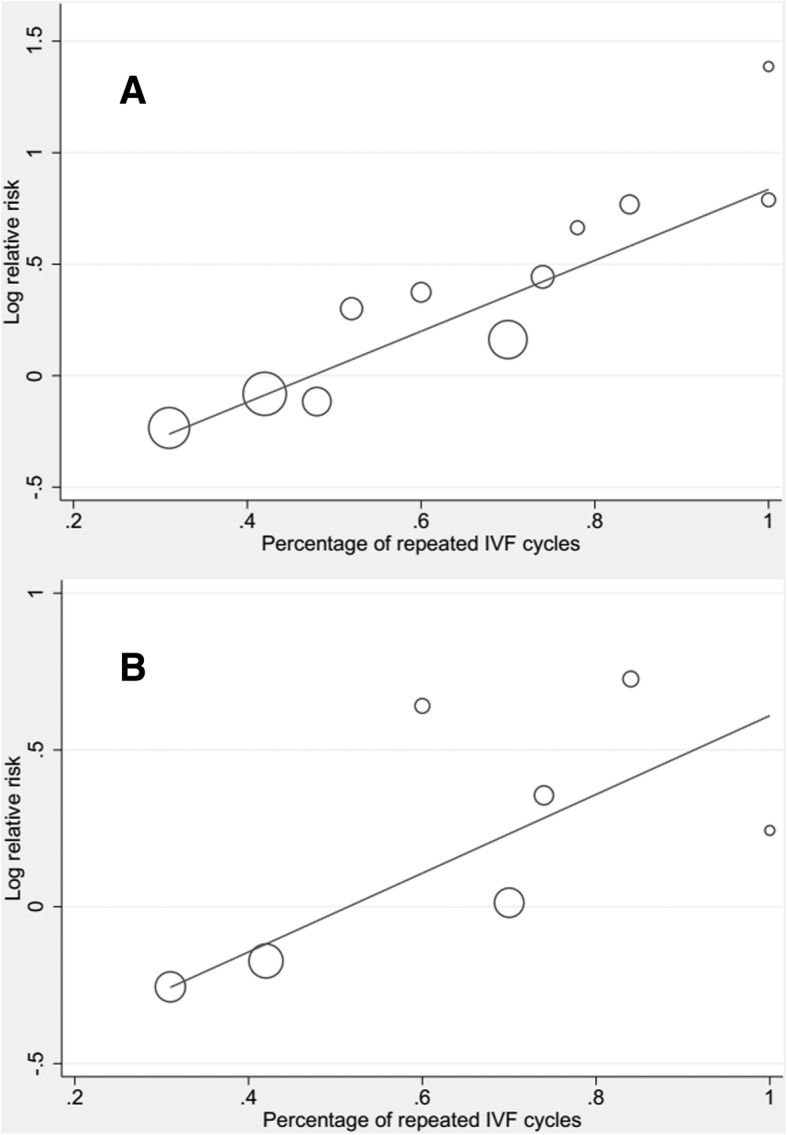
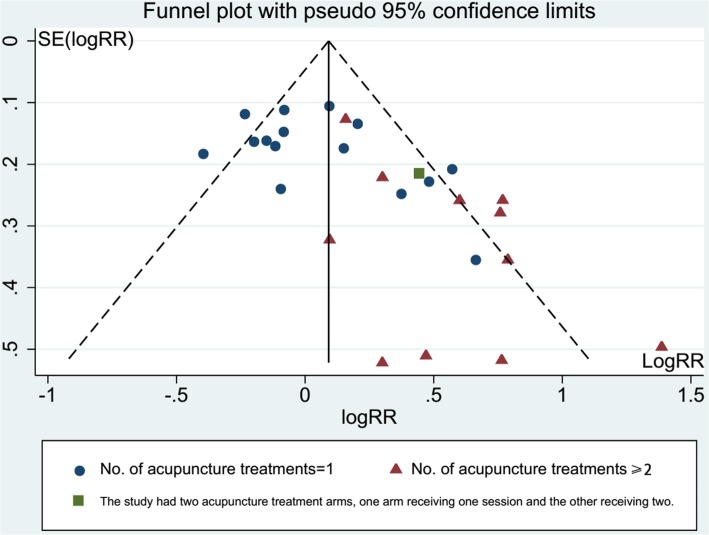
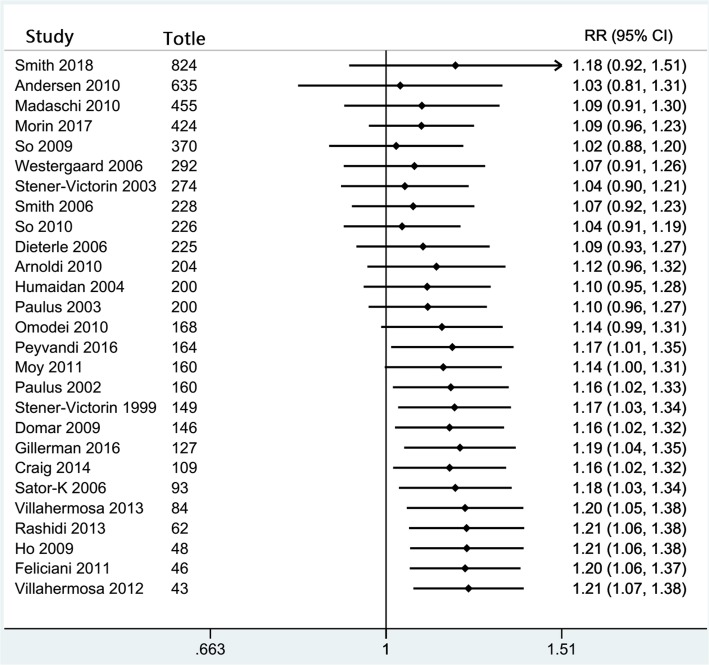
Results: Twenty-seven studies with 6116 participants were included. The pooled clinical pregnancy rate (CPR) from all of acupuncture groups was significantly greater than that of control groups (RR 1.21, 95% CI: 1.07-1.38), whereas the pooled live birth rate (LBR) was not. Meta-regression subgroup analysis showed a more significant benefit of acupuncture for repeated IVF cycle proportion (number of women with a history of prior unsuccessful IVF attempt divided by number of women included in each trial) ≥ 50% group (CPR: RR 1.60, 95% CI: 1.28-2.00; LBR: RR 1.42, 95% CI: 1.05-1.92), and this covariate explained most of the heterogeneity (CPR and LBR: adjusted R2 = 100 and 87.90%). Similar results were found between CPR and number of acupuncture treatments (CPR: p = 0.002, adjusted R2 = 51.90%), but not LBR.
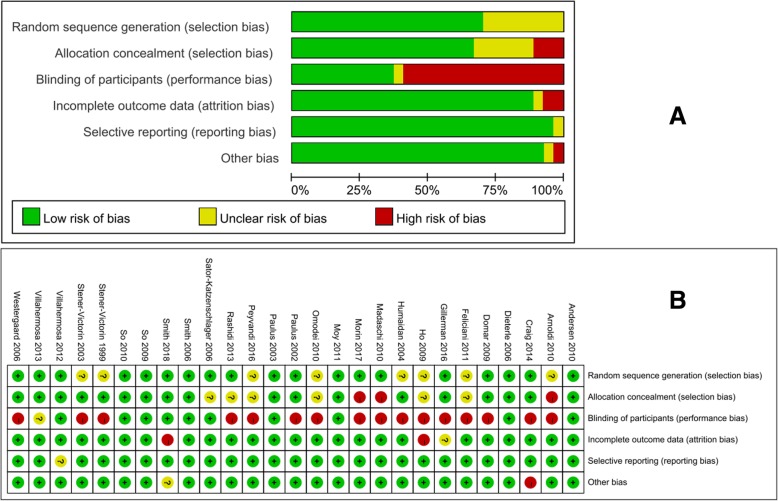
Conclusions: Our analysis finds a benefit of acupuncture for IVF outcomes in women with a history of unsuccessful IVF attempt, and number of acupuncture treatments is a potential influential factor. Given the poor reporting and methodological flaws of existing studies, studies with larger scales and better methodologies are needed to verify these findings.
Keywords: Acupuncture; Clinical pregnancy rate; In vitro fertilization; Live birth rate; Systematic review.
Conflict of interest statement
All authors declare that they have no competing interests.
Figures
References
-
- Adamson GD, de Mouzon J, Chambers GM, Zegers-Hochschild F, Mansour R, Ishihara O, Banker M, Dyer S. International Committee for Monitoring Assisted Reproductive Technology: world report on assisted reproductive technology, 2011. Fertil Steril. 2018;110(6):1067–1080. doi: 10.1016/j.fertnstert.2018.06.039. - DOI - PubMed
-
- De Geyter C, Calhaz-Jorge C, Kupka MS, Wyns C, Mocanu E, Motrenko T, Scaravelli G, Smeenk J, Vidakovic S, Goossens V. ART in Europe, 2014: results generated from European registries by ESHRE: the European IVF-monitoring consortium (EIM) for the European Society of Human Reproduction and Embryology (ESHRE) Hum Reprod. 2018;33(9):1586–1601. doi: 10.1093/humrep/dey242. - DOI - PubMed
Publication types
MeSH terms
Grants and funding
LinkOut - more resources
Full Text Sources
Medical
Molecular Biology Databases
