


Cutting Edge: Synapse Propensity of Human Memory CD8 T Cells Confers Competitive Advantage over Naive Counterparts
- PMID: 31201237
- PMCID: PMC6643047
- DOI: 10.4049/jimmunol.1801687
Cutting Edge: Synapse Propensity of Human Memory CD8 T Cells Confers Competitive Advantage over Naive Counterparts
Abstract
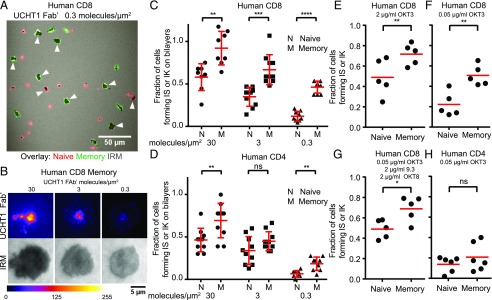
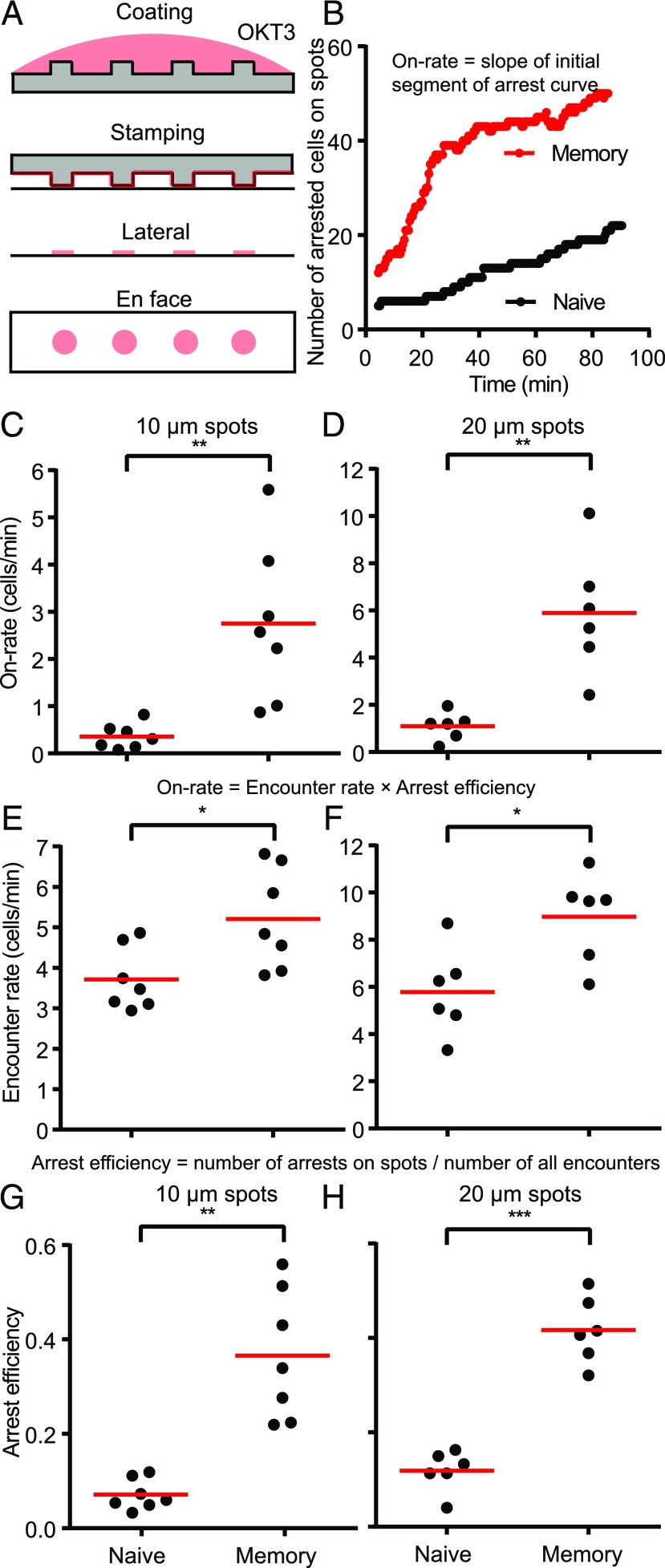
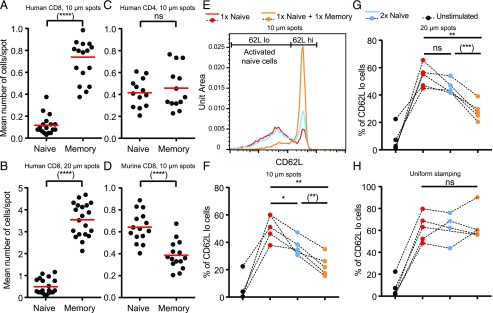
Memory T cells are endowed with multiple functional features that enable them to be more protective than naive T cells against infectious threats. It is not known if memory cells have a higher synapse propensity (SP; i.e., increased probability to form immature immunological synapses that then provide an entry into different modes of durable interaction with APCs). In this study, we show that only human memory CD8 T cells have remarkably high SP compared with naive counterparts. Such a dichotomy between naive and memory cells is not observed within the human CD4 or murine CD8 T cell population. Higher SP in human memory CD8 T cells allows them to outcompete and prevent naive CD8 T cells from getting recruited to the response. This observation has implications for original antigenic sin and aging of the immune system in humans.
Copyright © 2019 The Authors.
Figures
References
-
- Slifka M. K., Whitton J. L. 2001. Functional avidity maturation of CD8(+) T cells without selection of higher affinity TCR. Nat. Immunol. 2: 711–717. - PubMed
-
- Croft M., Bradley L. M., Swain S. L. 1994. Naive versus memory CD4 T cell response to antigen. Memory cells are less dependent on accessory cell costimulation and can respond to many antigen-presenting cell types including resting B cells. J. Immunol. 152: 2675–2685. - PubMed
-
- Veiga-Fernandes H., Walter U., Bourgeois C., McLean A., Rocha B. 2000. Response of naïve and memory CD8+ T cells to antigen stimulation in vivo. Nat. Immunol. 1: 47–53. - PubMed
Publication types
MeSH terms
Grants and funding
LinkOut - more resources
Full Text Sources
Research Materials
Miscellaneous
