


Bioprinting of freestanding vascular grafts and the regulatory considerations for additively manufactured vascular prostheses
- PMID: 31201778
- PMCID: PMC6702084
- DOI: 10.1016/j.trsl.2019.05.005
Bioprinting of freestanding vascular grafts and the regulatory considerations for additively manufactured vascular prostheses
Abstract
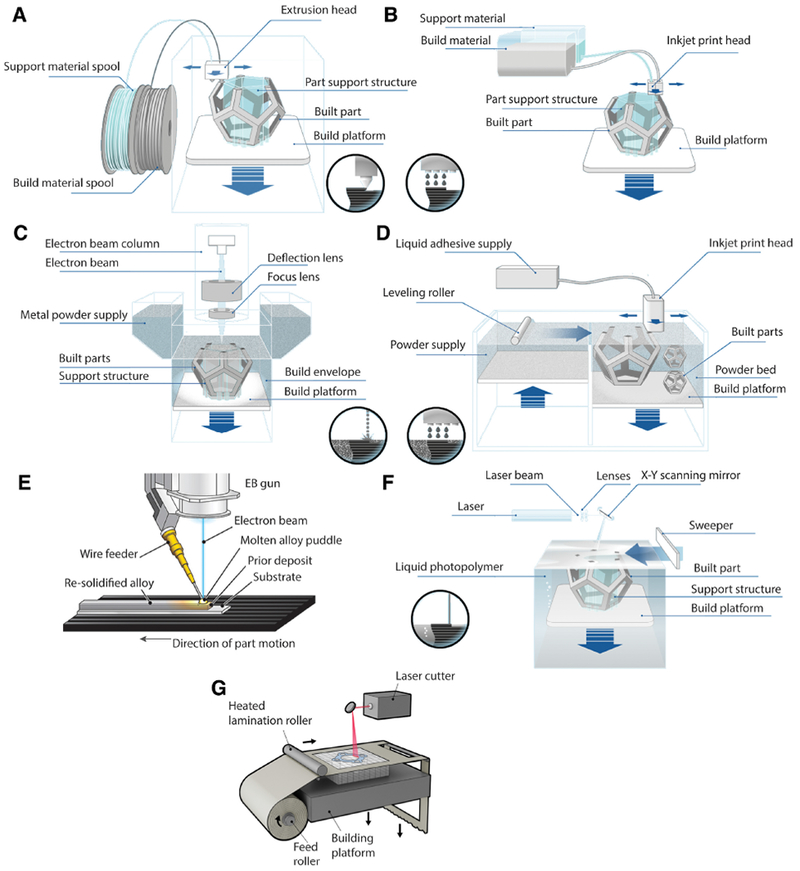
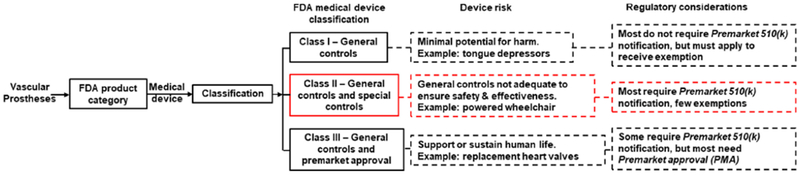
Vasculature is the network of blood vessels of an organ or body part that allow for the exchange of nutrients and waste to and from every cell, thus establishing a circulatory equilibrium. Vascular health is at risk from a variety of conditions that includes disease and trauma. In some cases, medical therapy can alleviate the impacts of the condition. Intervention is needed in other instances to restore the health of abnormal vasculature. The main approaches to treat vascular conditions are endovascular procedures and open vascular reconstruction that often requires a graft to accomplish. However, current vascular prostheses have limitations that include size mismatch with the native vessel, risk of immunogenicity from allografts and xenografts, and unavailability of autografts. In this review, we discuss efforts in bioprinting, an emerging method for vascular reconstruction. This includes an overview of 3D printing processes and materials, graft characterization strategies and the regulatory aspects to consider for the commercialization of 3D bioprinted vascular prostheses.
Copyright © 2019 Elsevier Inc. All rights reserved.
Figures
References
-
- Vascular Trauma: Society for Vascular Surgery (SVS); 2018. [11/September/2018], Available from: vascular.org.
-
- Luscher TF, Creager MA, Beckman JA, Cosentino F. Diabetes and Vascular Disease. Circulation. 2003;108(13): 1655–61. - PubMed
-
- Hans SS, Weaver MR, Bove PG, Long GW. Endovascular and open vascular reconstruction: a practical approach. Boca Raton: CRC Press; 2017. p. p.
-
- Endovascular versus surgical treatment in patients with carotid stenosis in the Carotid and Vertebral Artery Transluminal Angioplasty Study (CAVATAS): a randomised trial. The Lancet. 2001. ;357(9270): 1729–37. - PubMed
-
- Wiebers DO. Unruptured intracranial aneurysms: natural history, clinical outcome, and risks of surgical and endovascular treatment. The Lancet. 2003;362(9378):103–10. - PubMed
Publication types
MeSH terms
Grants and funding
LinkOut - more resources
Full Text Sources
