


Antimicrobial Gold Nanoclusters: Recent Developments and Future Perspectives
- PMID: 31208013
- PMCID: PMC6627976
- DOI: 10.3390/ijms20122924
Antimicrobial Gold Nanoclusters: Recent Developments and Future Perspectives
Abstract
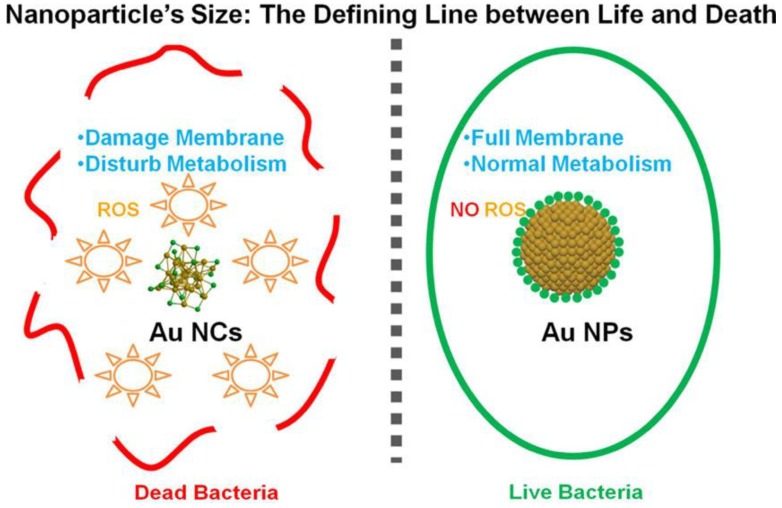
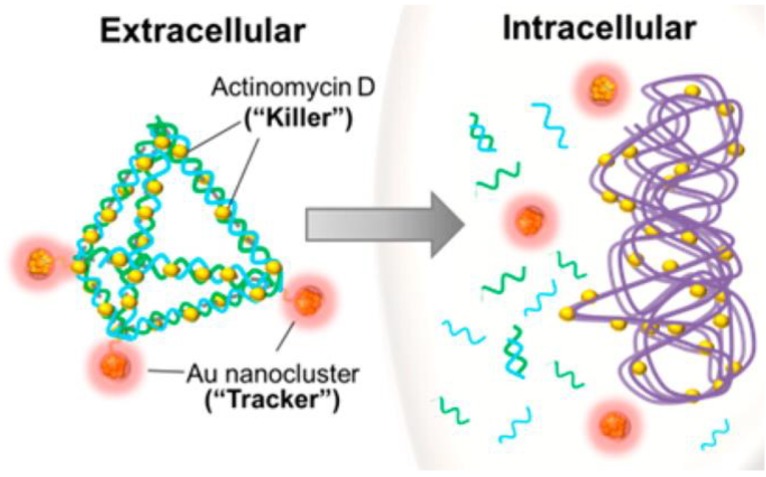
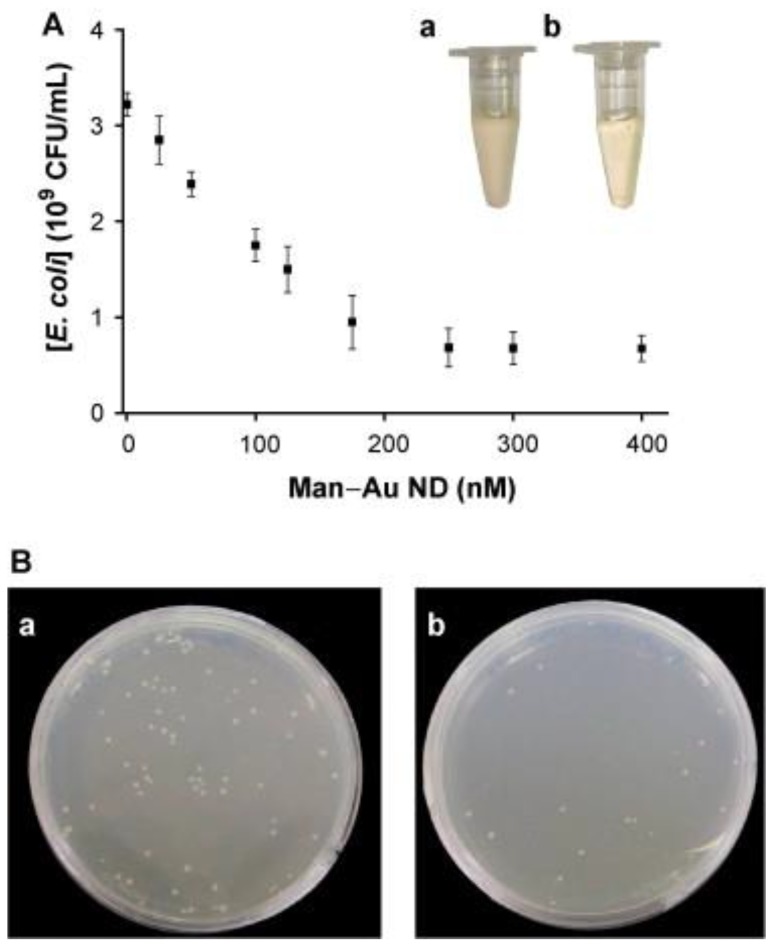
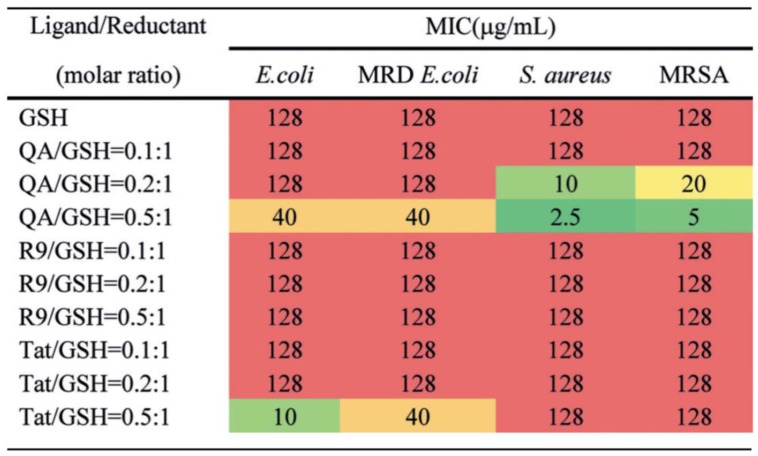
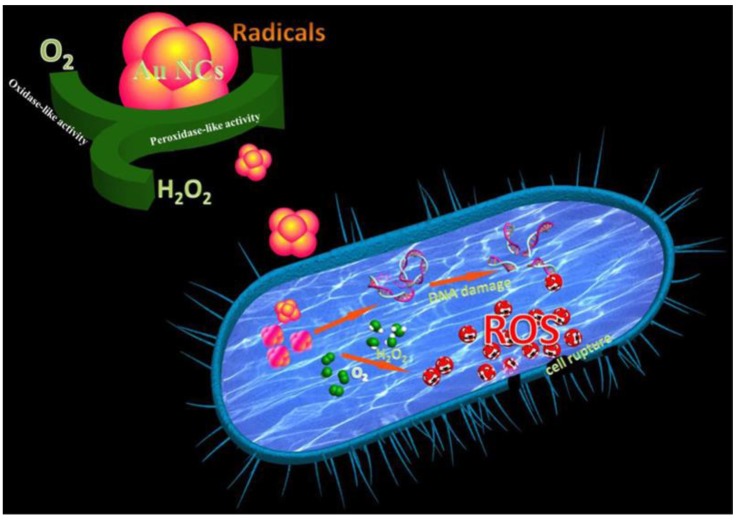
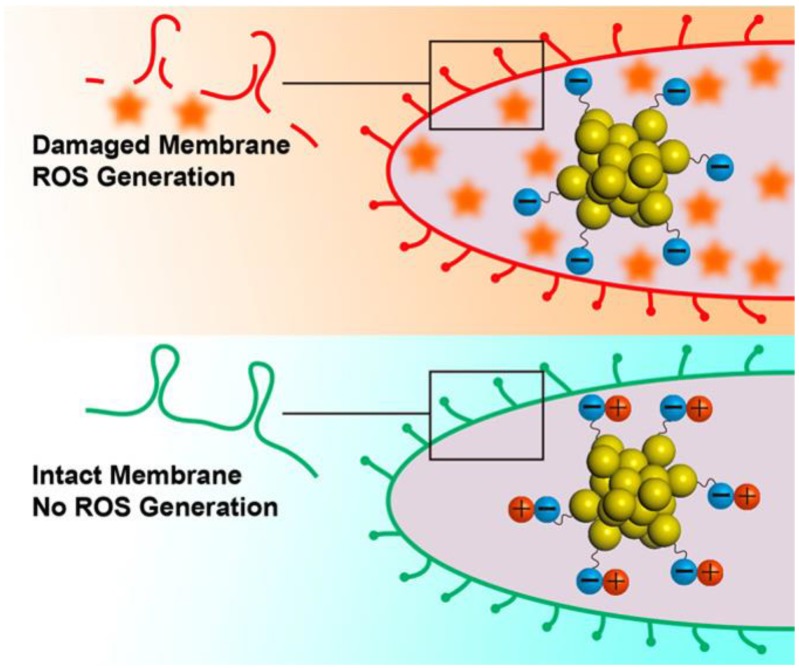
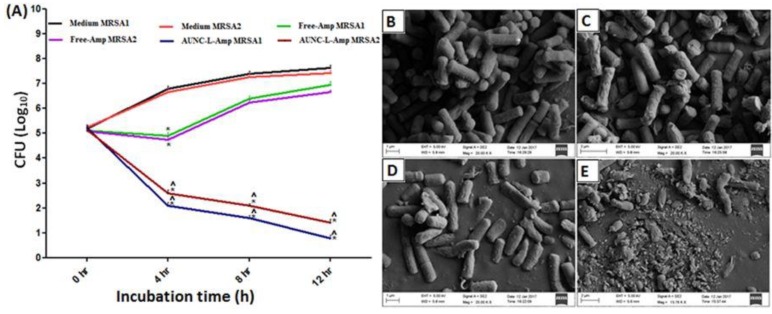
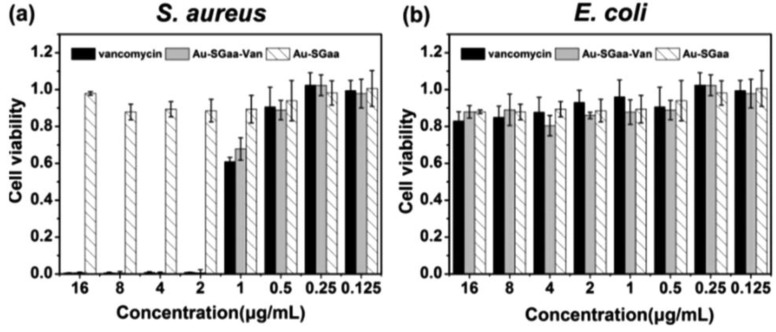
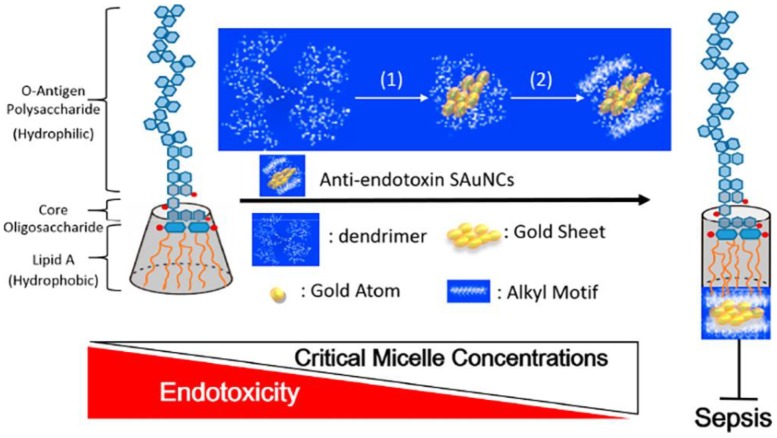
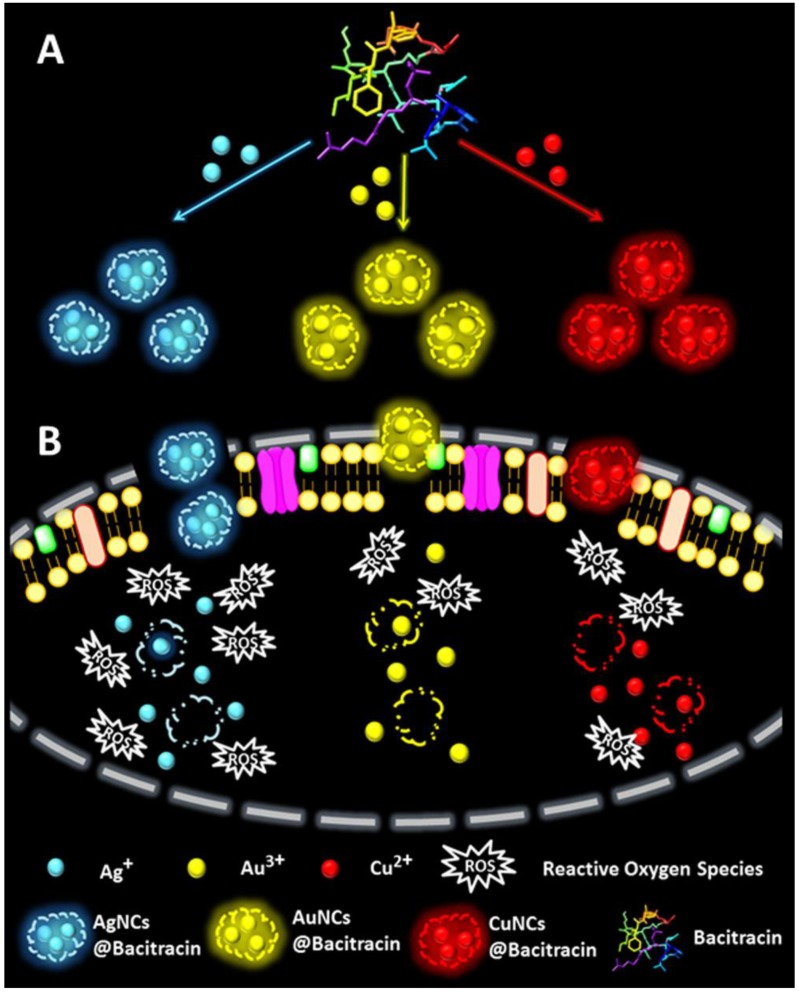
Bacterial infections have caused serious threats to public health due to the antimicrobial resistance in bacteria. Recently, gold nanoclusters (AuNCs) have been extensively investigated for biomedical applications because of their superior structural and optical properties. Great efforts have demonstrated that AuNCs conjugated with various surface ligands are promising antimicrobial agents owing to their high biocompatibility, polyvalent effect, easy modification and photothermal stability. In this review, we have highlighted the recent achievements for the utilizations of AuNCs as the antimicrobial agents. We have classified the antimicrobial AuNCs by their surface ligands including small molecules (< 900 Daltons) and macromolecules (> 900 Daltons). Moreover, the antimicrobial activities and mechanisms of AuNCs have been introduced into two main categories of small molecules and macromolecules, respectively. In accordance with the advancements of antimicrobial AuNCs, we further provided conclusions of current challenges and recommendations of future perspectives of antimicrobial AuNCs for fundamental researches and clinical applications.
Keywords: antimicrobial agent; antimicrobial mechanism; gold nanoclusters; macromolecule; small molecule.
Conflict of interest statement
The authors declare no conflict of interest. The funders had no role in the design of the study; in the collection, analyses, or interpretation of data; in the writing of the manuscript, or in the decision to publish the results.
Figures
References
Publication types
MeSH terms
Substances
Grants and funding
LinkOut - more resources
Full Text Sources
Molecular Biology Databases
