


Bioarchaeology of Neolithic Çatalhöyük reveals fundamental transitions in health, mobility, and lifestyle in early farmers
- PMID: 31209020
- PMCID: PMC6601267
- DOI: 10.1073/pnas.1904345116
Bioarchaeology of Neolithic Çatalhöyük reveals fundamental transitions in health, mobility, and lifestyle in early farmers
Abstract
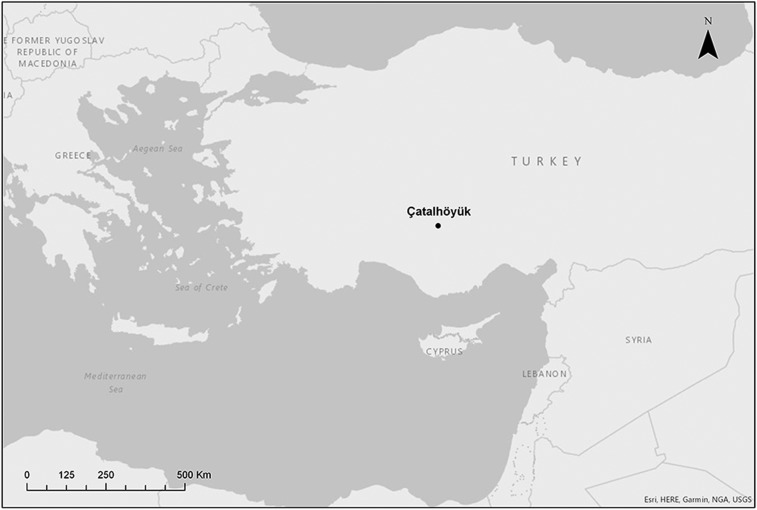
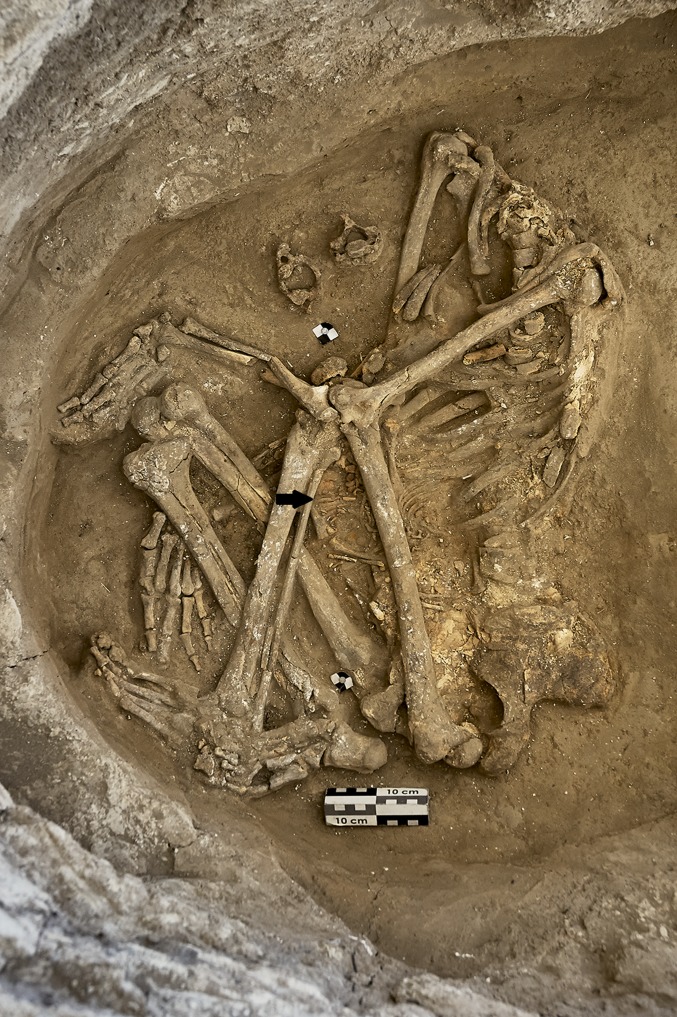
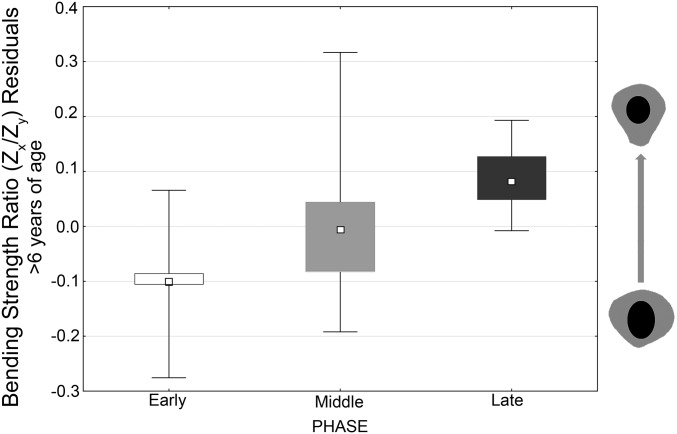
The transition from a human diet based exclusively on wild plants and animals to one involving dependence on domesticated plants and animals beginning 10,000 to 11,000 y ago in Southwest Asia set into motion a series of profound health, lifestyle, social, and economic changes affecting human populations throughout most of the world. However, the social, cultural, behavioral, and other factors surrounding health and lifestyle associated with the foraging-to-farming transition are vague, owing to an incomplete or poorly understood contextual archaeological record of living conditions. Bioarchaeological investigation of the extraordinary record of human remains and their context from Neolithic Çatalhöyük (7100-5950 cal BCE), a massive archaeological site in south-central Anatolia (Turkey), provides important perspectives on population dynamics, health outcomes, behavioral adaptations, interpersonal conflict, and a record of community resilience over the life of this single early farming settlement having the attributes of a protocity. Study of Çatalhöyük human biology reveals increasing costs to members of the settlement, including elevated exposure to disease and labor demands in response to community dependence on and production of domesticated plant carbohydrates, growing population size and density fueled by elevated fertility, and increasing stresses due to heightened workload and greater mobility required for caprine herding and other resource acquisition activities over the nearly 12 centuries of settlement occupation. These changes in life conditions foreshadow developments that would take place worldwide over the millennia following the abandonment of Neolithic Çatalhöyük, including health challenges, adaptive patterns, physical activity, and emerging social behaviors involving interpersonal violence.
Keywords: Neolithic farmers; Turkey; bioarchaeology; health; lifestyle.
Conflict of interest statement
The authors declare no conflict of interest.
Figures
Comment in
-
Early agriculture's toll on human health.Proc Natl Acad Sci U S A. 2019 Jul 9;116(28):13721-13723. doi: 10.1073/pnas.1908960116. Epub 2019 Jun 26. Proc Natl Acad Sci U S A. 2019. PMID: 31243149 Free PMC article. No abstract available.
References
-
- Cohen M. N., Armelagos G. J., Eds., Paleopathology at the Origins of Agriculture (Academic Press, Orlando, FL, 1984).
-
- Larsen C. S., Biological changes in human populations with agriculture. Annu. Rev. Anthropol. 24, 185–213 (1995).
-
- Price T. D., Bar-Yosef O., The origins of agriculture: New data, new ideas. Curr. Anthropol. 52 (suppl. 2), S163–S164 (2011).
-
- Zeder M. A., The origins of agriculture in the Near East. Curr. Anthropol. 52 (suppl. 4), S221–S235 (2011).
-
- Larsen C. S., The agricultural revolution as environmental catastrophe: Implications for health and lifestyle in the Holocene. Quat. Int. 150, 12–20 (2006).
Publication types
MeSH terms
LinkOut - more resources
Full Text Sources
