


A temporal thymic selection switch and ligand binding kinetics constrain neonatal Foxp3+ Treg cell development
- PMID: 31209405
- PMCID: PMC7039339
- DOI: 10.1038/s41590-019-0414-1
A temporal thymic selection switch and ligand binding kinetics constrain neonatal Foxp3+ Treg cell development
Abstract
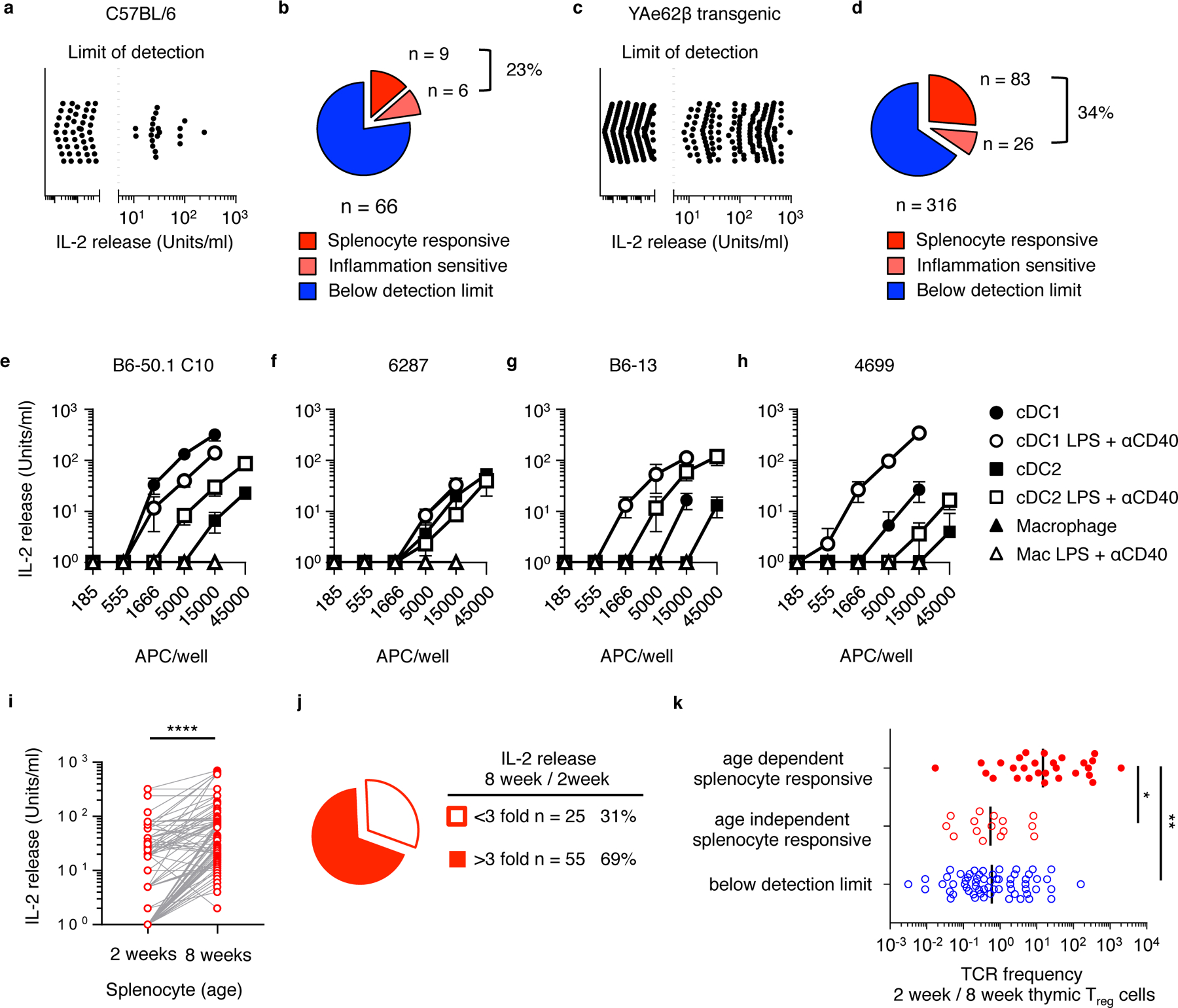
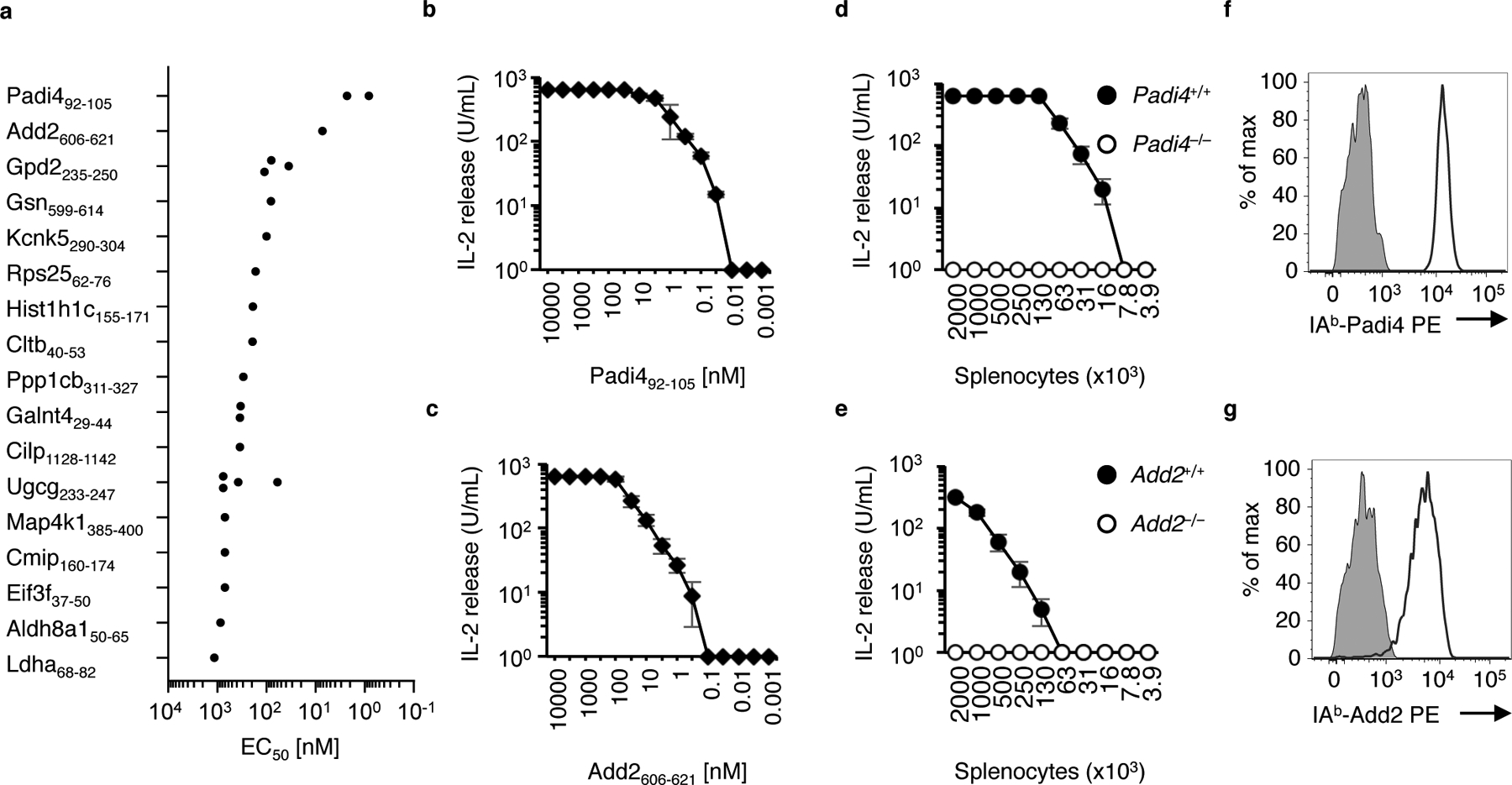
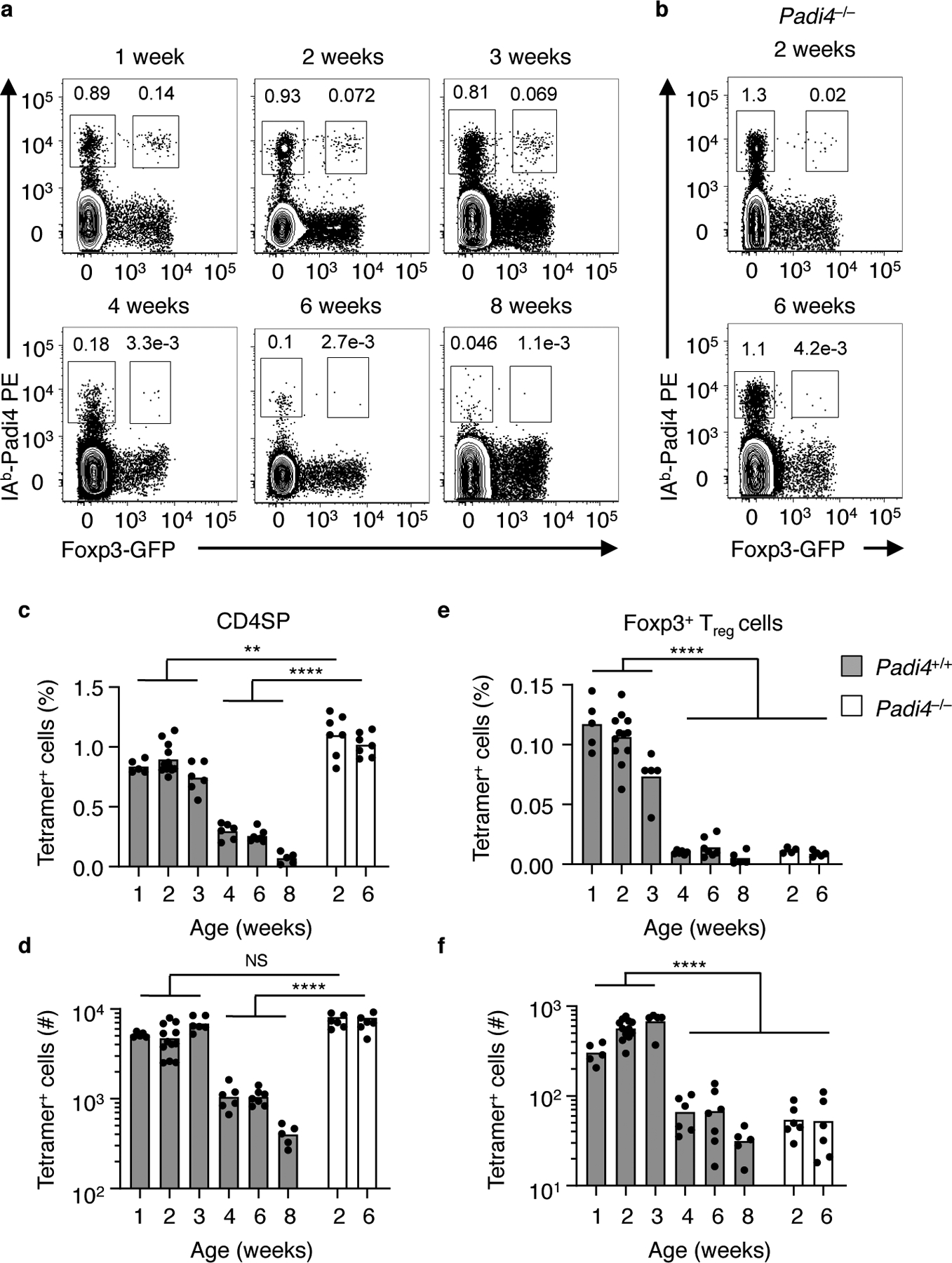
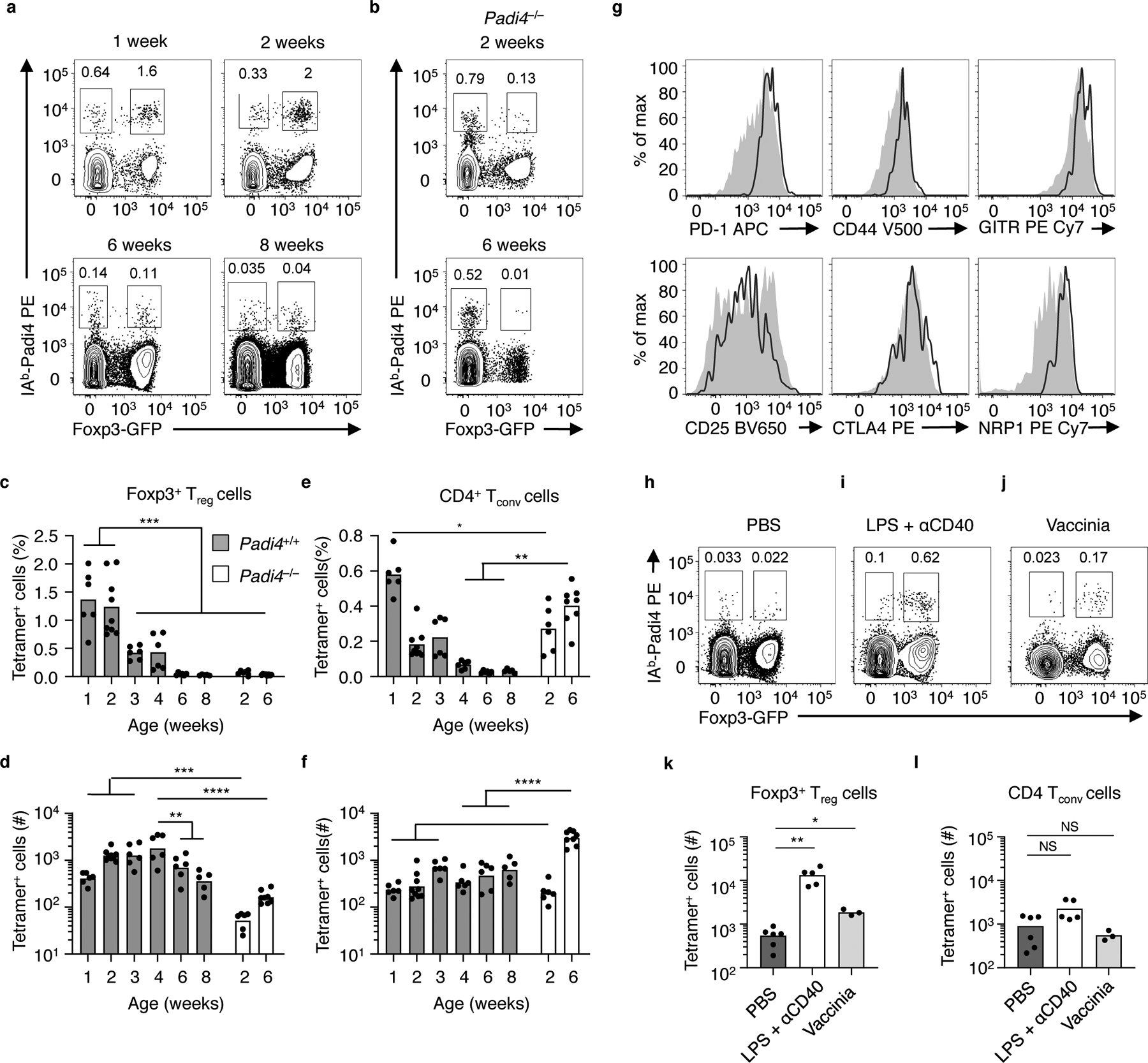
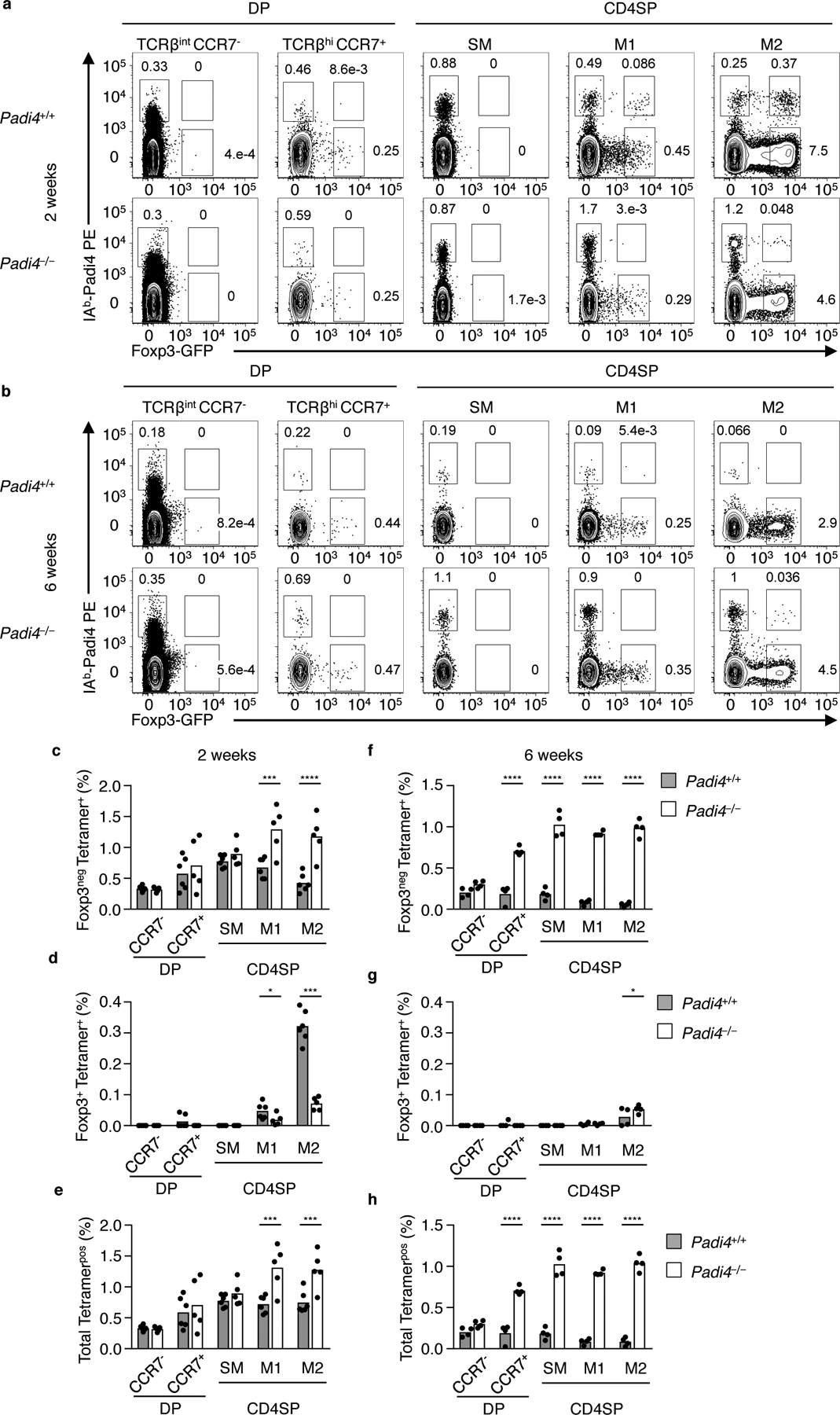
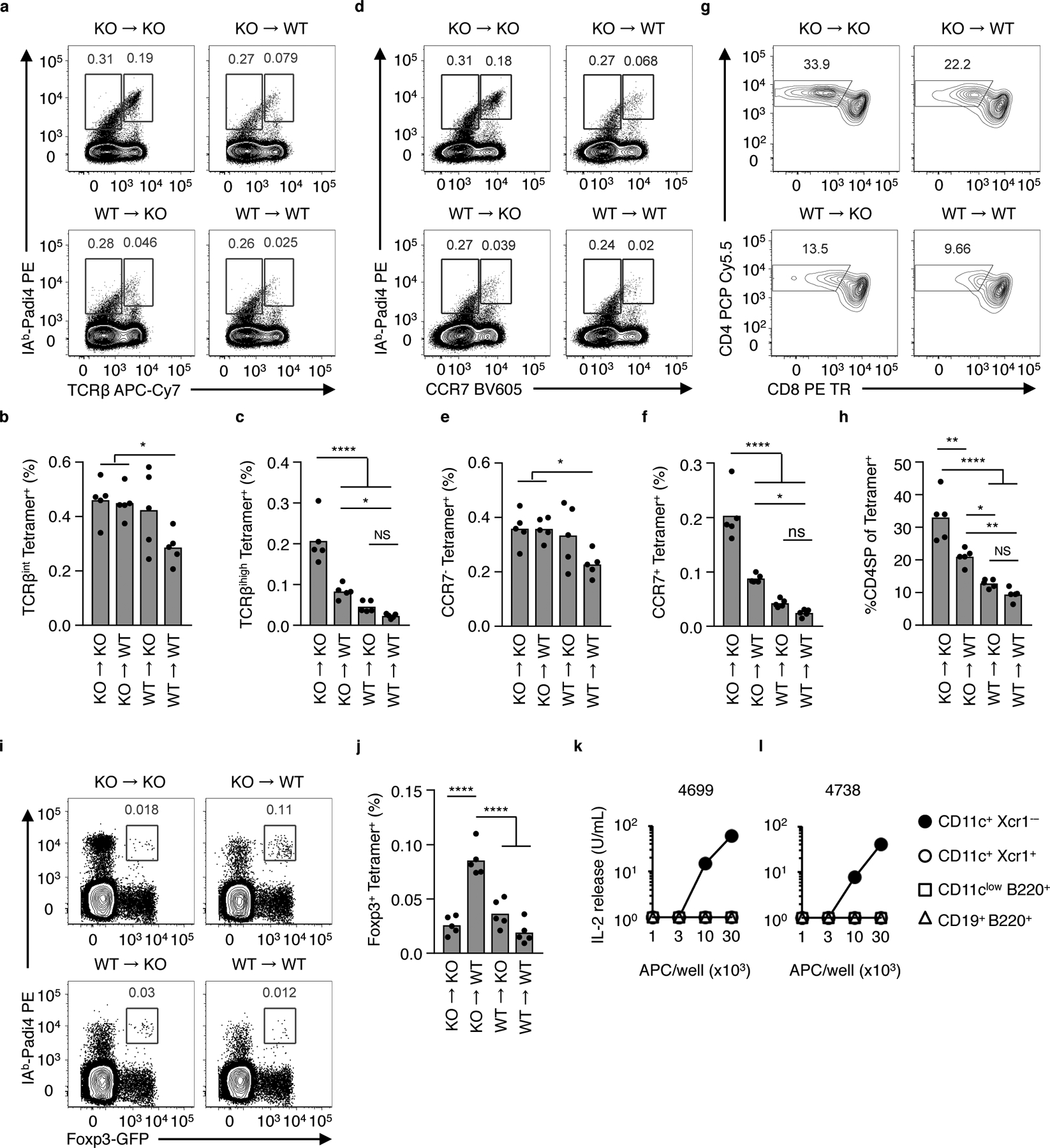
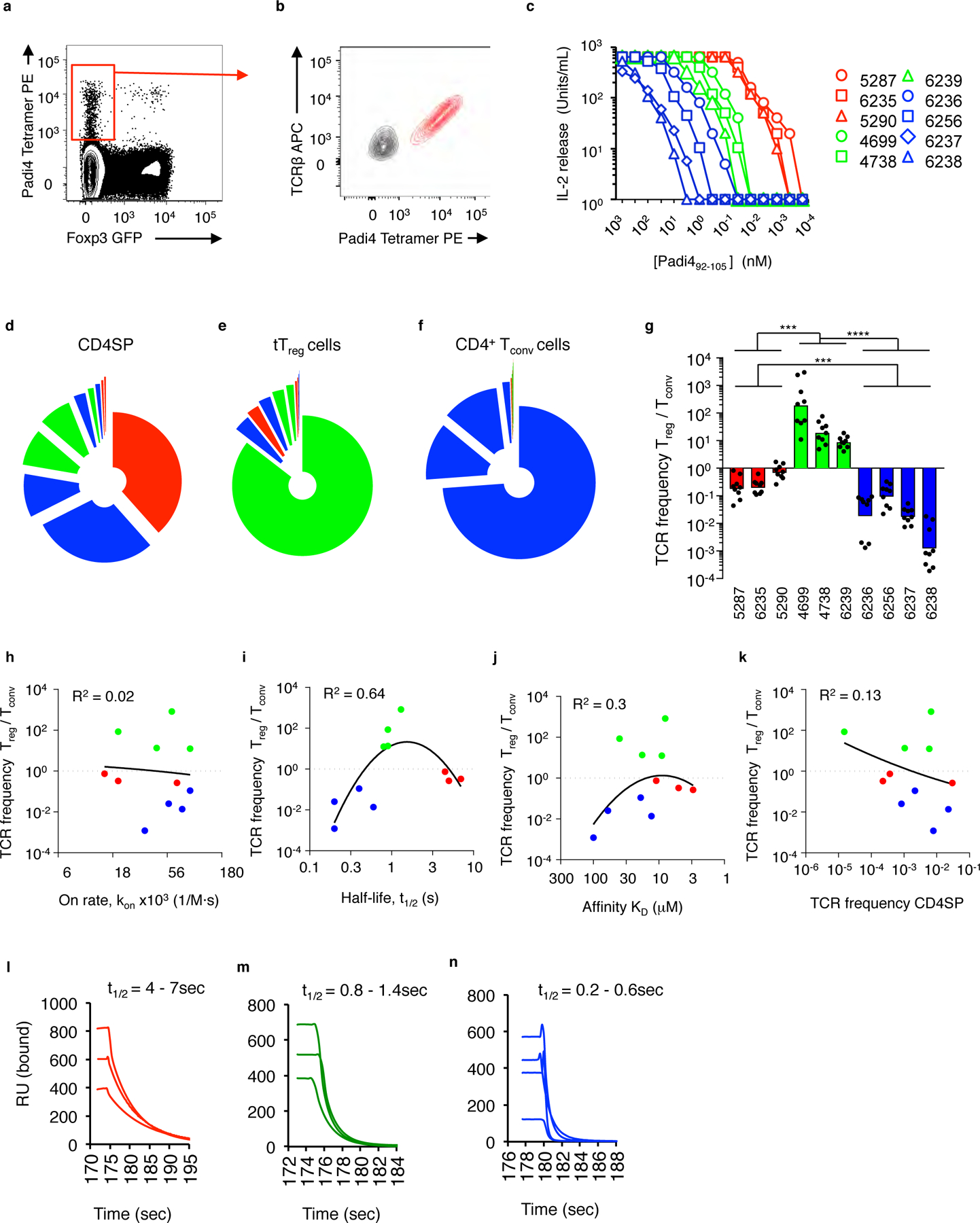
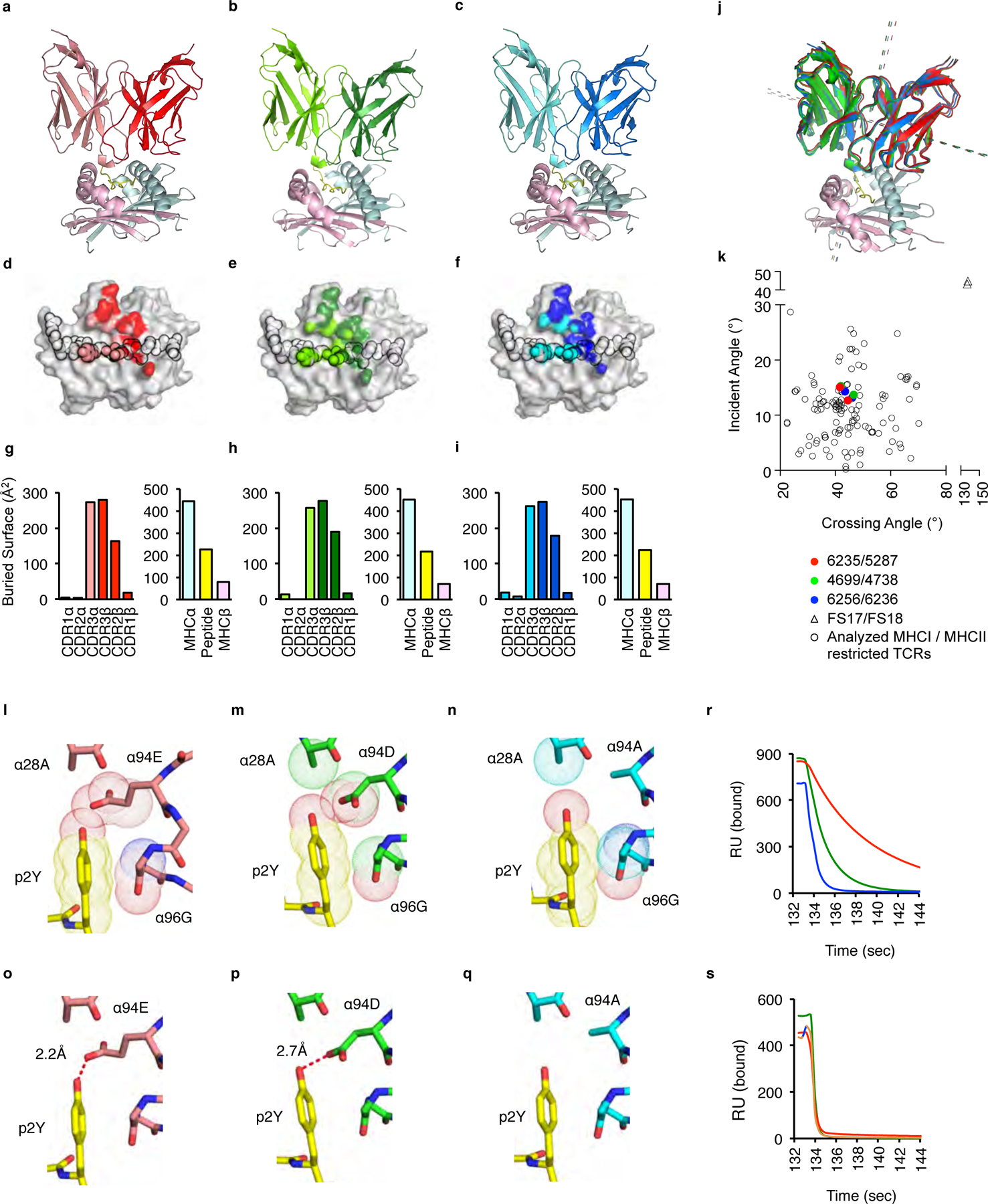
The neonatal thymus generates Foxp3+ regulatory T (tTreg) cells that are critical in controlling immune homeostasis and preventing multiorgan autoimmunity. The role of antigen specificity on neonatal tTreg cell selection is unresolved. Here we identify 17 self-peptides recognized by neonatal tTreg cells, and reveal ligand specificity patterns that include self-antigens presented in an age- and inflammation-dependent manner. Fate-mapping studies of neonatal peptidyl arginine deiminase type IV (Padi4)-specific thymocytes reveal disparate fate choices. Neonatal thymocytes expressing T cell receptors that engage IAb-Padi4 with moderate dwell times within a conventional docking orientation are exported as tTreg cells. In contrast, Padi4-specific T cell receptors with short dwell times are expressed on CD4+ T cells, while long dwell times induce negative selection. Temporally, Padi4-specific thymocytes are subject to a developmental stage-specific change in negative selection, which precludes tTreg cell development. Thus, a temporal switch in negative selection and ligand binding kinetics constrains the neonatal tTreg selection window.
Conflict of interest statement
Competing interests
The authors declare no competing interests
Figures
References
Publication types
MeSH terms
Substances
Grants and funding
LinkOut - more resources
Full Text Sources
Other Literature Sources
Molecular Biology Databases
Research Materials
