Technical advances contribute to the study of genomic imprinting
- PMID: 31220079
- PMCID: PMC6586256
- DOI: 10.1371/journal.pgen.1008151
Technical advances contribute to the study of genomic imprinting
Abstract
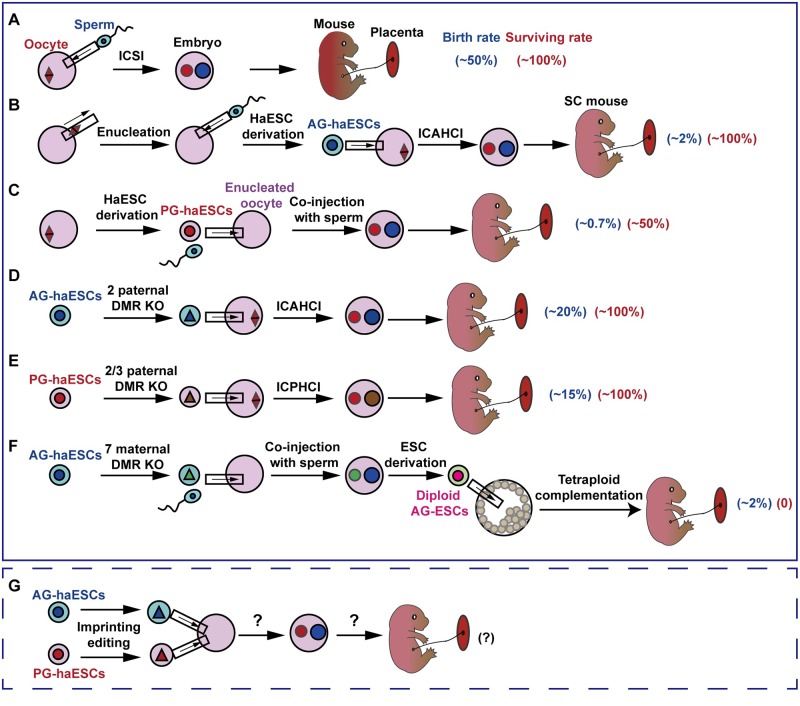
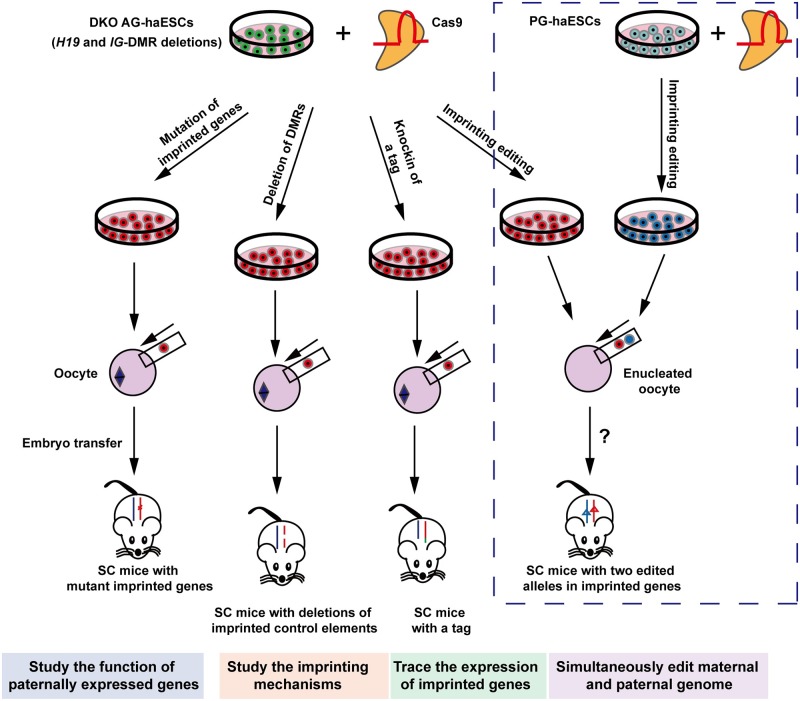
Genomic imprinting in mammals was discovered over 30 years ago through elegant embryological and genetic experiments in mice. Imprinted genes show a monoallelic and parent of origin-specific expression pattern; the development of techniques that can distinguish between expression from maternal and paternal chromosomes in mice, combined with high-throughput strategies, has allowed for identification of many more imprinted genes, most of which are conserved in humans. Undoubtedly, technical progress has greatly promoted progress in the field of genomic imprinting. Here, we summarize the techniques used to discover imprinted genes, identify new imprinted genes, define imprinting regulation mechanisms, and study imprinting functions.
Conflict of interest statement
The authors have declared that no competing interests exist.
Figures
References
Publication types
MeSH terms
LinkOut - more resources
Full Text Sources
Other Literature Sources