


Persuasive design features within a consumer-focused eHealth intervention integrated with the electronic health record: A mixed methods study of effectiveness and acceptability
- PMID: 31220127
- PMCID: PMC6586306
- DOI: 10.1371/journal.pone.0218447
Persuasive design features within a consumer-focused eHealth intervention integrated with the electronic health record: A mixed methods study of effectiveness and acceptability
Abstract
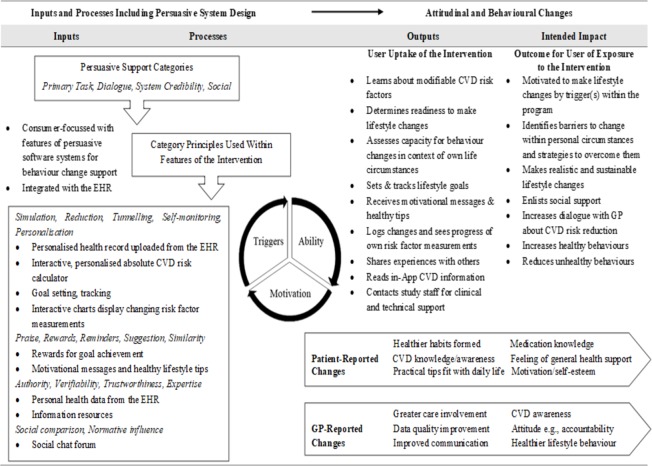
Introduction: eHealth strategies targeting health-related behaviour often incorporate persuasive software design. To further engage patients with their overall health management, consumer-facing web portals may be integrated with data from one or more care providers. This study aimed to explore effectiveness for healthier behaviour of persuasive design characteristics within a web application integrated with the primary health care electronic record; also patient and general practitioner (GP) preferences for future integrated records.
Methods: Mixed methods study within the Consumer Navigation of Electronic Cardiovascular Tools randomised controlled trial. Participants were patients with moderate-high risk of cardiovascular disease, and their GPs. Survey and web analytic data were analysed with descriptive statistics. Interview and focus group transcripts were recorded, transcribed, coded and analysed for themes.
Results: Surveys (n = 397) received from patients indicated improved medication adherence (31.8%); improved mental health and well-being (40%); higher physical activity (47%); and healthier eating (61%). Users of the interactive features reported benefiting from personalised cardiovascular disease risk score (73%); goal tracking (69%); risk factor self-monitoring (52%) and receipt of motivational health tips (54%). Focus group and interview participants (n = 55) described customisations that would increase portal appeal and relevance, including more provider interaction. Of the GP survey respondents (n = 38), 74% reported increased patient attendance and engagement with their care. For future integrated portals, 94% of GPs were in favour and key themes among interviewees (n = 17) related to design optimisation, impact on workflow and data security.
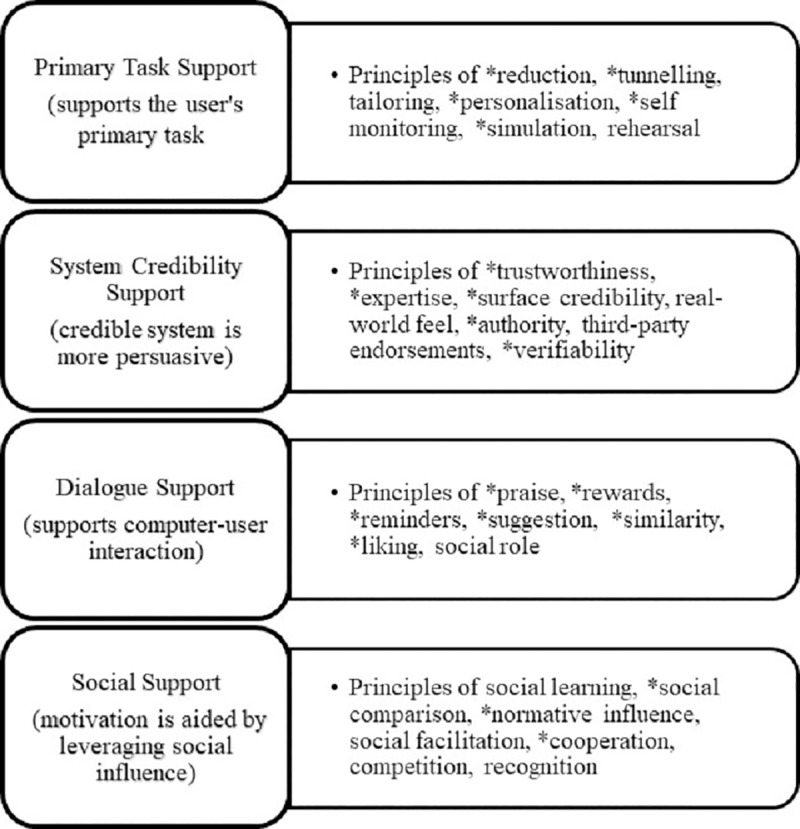
Conclusion: Intervention features reflecting the persuasive design categories of Primary Task support, Dialogue support and System Credibility support facilitated healthier lifestyle behaviour. Patients valued customisable functions and greater patient-provider interactivity. GPs identified system challenges but saw advantages for patients and the health care relationship. Future studies could further elucidate the persuasive design principles that are at play and which may promote adoption of EHR-integrated consumer portals.
Conflict of interest statement
The authors have declared that no competing interests exist.
Figures
References
Publication types
MeSH terms
LinkOut - more resources
Full Text Sources
Medical
