


Effects of repetitive transcranial magnetic stimulation on children with low-function autism
- PMID: 31228356
- PMCID: PMC6834922
- DOI: 10.1111/cns.13150
Effects of repetitive transcranial magnetic stimulation on children with low-function autism
Abstract
Background: Autism spectrum disorder (ASD) is a very complex neurodevelopmental disorder, characterized by social difficulties and stereotypical or repetitive behavior. Some previous studies using low-frequency repetitive transcranial magnetic stimulation (rTMS) have proven of benefit in ASD children.
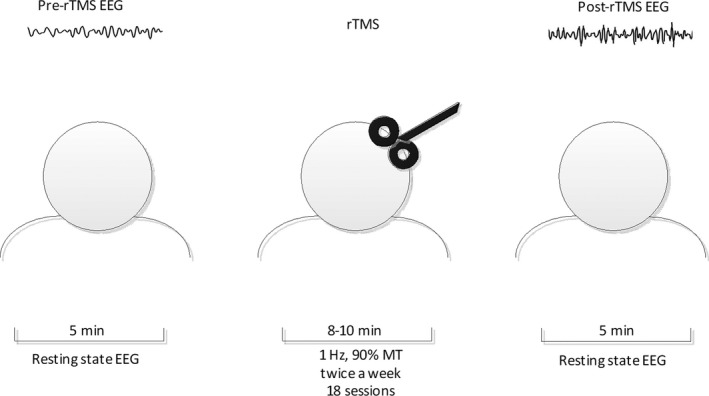
Methods: In this study, 32 children (26 males and six females) with low-function autism were enrolled, 16 children (three females and 13 males; mean ± SD age: 7.8 ± 2.1 years) received rTMS treatment twice every week, while the remaining 16 children (three females and 13 males; mean ± SD age: 7.2 ± 1.6 years) served as waitlist group. This study investigated the effects of rTMS on brain activity and behavioral response in the autistic children.
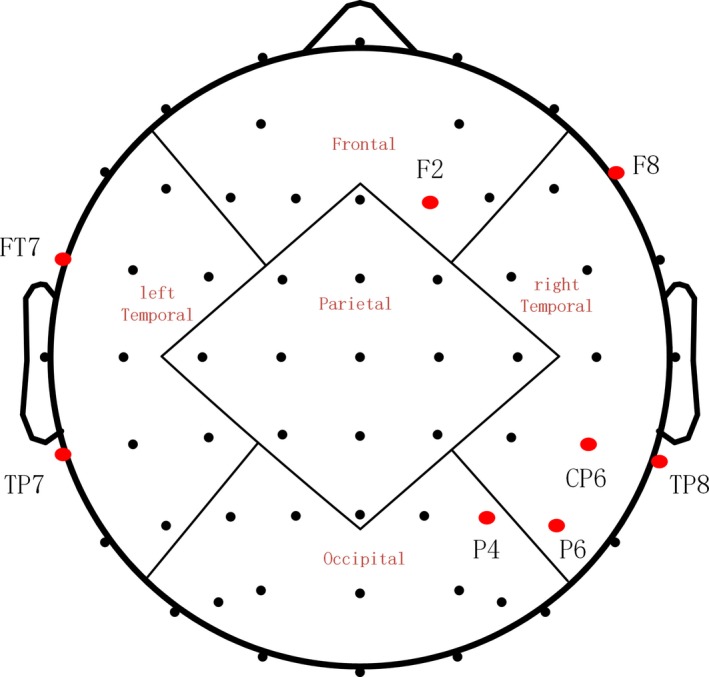
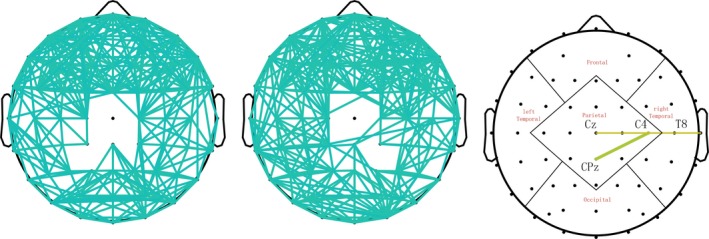
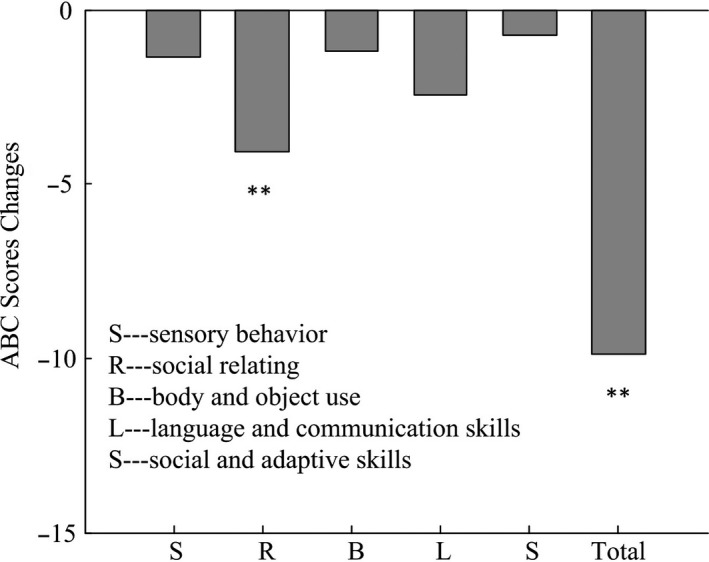
Results: Peak alpha frequency (PAF) is an electroencephalographic measure of cognitive preparedness and might be a neural marker of cognitive function for the autism. Coherence is one way to assess the brain functional connectivity of ASD children, which has proven abnormal in previous studies. The results showed significant increases in the PAF at the frontal region, the left temporal region, the right temporal region and the occipital region and a significant increase of alpha coherence between the central region and the right temporal region. Autism Behavior Checklist (ABC) scores were also compared before and after receiving rTMS with positive effects shown on behavior.
Conclusion: These findings supported our hypothesis by demonstration of positive effects of combined rTMS neurotherapy in active treatment group as compared to the waitlist group, as the rTMS group showed significant improvements in behavioral and functional outcomes as compared to the waitlist group.
Keywords: autism spectrum disorder; coherence; electroencephalography; neuromodulation; peak alpha frequency; rTMS.
© 2019 The Authors. CNS Neuroscience & Therapeutics Published by John Wiley & Sons Ltd.
Figures
Comment in
-
Developing and aging: A tale of two stages.CNS Neurosci Ther. 2020 Feb;26(2):281-282. doi: 10.1111/cns.13264. Epub 2019 Nov 12. CNS Neurosci Ther. 2020. PMID: 31721450 Free PMC article. No abstract available.
References
-
- A. P. Association . Diagnostic and statistical manual of mental disorders (DSM‐ 5®). San Francisco: American Psychiatric Pub; 2013.
-
- Kocsis RN. Diagnostic and statistical manual of mental disorders: fifth Edition (DSM‐5). Int J Offender Ther Comp Criminol. 2013;57:1546‐1548.
-
- Zablotsky B, Black LI, Maenner MJ, Schieve LA, Blumberg SJ Estimated prevalence of autism and other developmental disabilities following questionnaire changes in the 2014 national health interview survey. Natl Health Stat Report. 2015; 87: 1‐20. - PubMed
