. 2019 Aug:133:199-208.
doi: 10.1016/j.yjmcc.2019.06.013. Epub 2019 Jun 20.

Phenotyping an adult zebrafish lamp2 cardiomyopathy model identifies mTOR inhibition as a candidate therapy

Affiliations

Phenotyping an adult zebrafish lamp2 cardiomyopathy model identifies mTOR inhibition as a candidate therapy

Alexey V Dvornikov et al. J Mol Cell Cardiol. 2019 Aug.

Abstract

Adult zebrafish is an emerging vertebrate model for studying genetic basis of cardiomyopathies; but whether the simple fish heart can model essential features of hypertrophic cardiomyopathy (HCM) remained unknown. Here, we report a comprehensive phenotyping of a lamp2 knockout (KO) mutant. LAMP2 encodes a lysosomal protein and is a causative gene of Danon disease that is characterized by HCM and massive autophagic vacuoles accumulation in the tissues. There is no effective therapy yet to treat this most lethal cardiomyopathy in the young. First, we did find the autophagic vacuoles accumulation in cardiac tissues from lamp2 KO. Next, through employing a set of emerging phenotyping tools, we revealed heart failure phenotypes in the lamp2 KO mutants, including decreased ventricular ejection fraction, reduced physical exercise capacity, blunted β-adrenergic contractile response, and enlarged atrium. We also noted changes of the following indices suggesting cardiac hypertrophic remodeling in lamp2 KO: a rounded heart shape, increased end-systolic ventricular volume and density of ventricular myocardium, elevated actomyosin activation kinetics together with increased maximal isometric tension at the level of cardiac myofibrils. Lastly, we assessed the function of lysosomal-localized mTOR on the lamp2-associated Danon disease. We found that haploinsufficiency of mtor was able to normalize some characteristics of the lamp2 KO, including ejection fraction, β-adrenergic response, and the actomyosin activation kinetics. In summary, we demonstrate the feasibility of modeling the inherited HCM in the adult zebrafish, which can be used to develop potential therapies.

Keywords: Cardiac contractility; Cardiomyopathy; Danon disease; Disease modeling; Hypertrophic remodeling; Single myofibril; Zebrafish; mTOR.


Figures

Fig. 1.
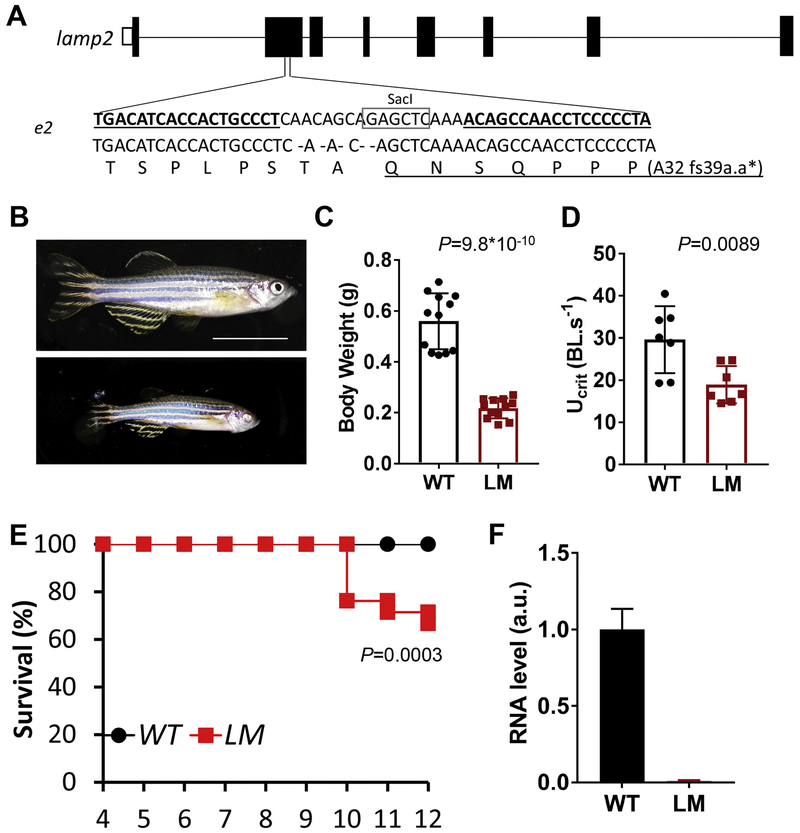
Fig. 1.. Generation of lamp2e2/e2.
A. 5-nt deletion in the 2nd exon of lamp2 gene results in premature stop codon. Sequences targeted by TALEN are underlined. SacI recognition site is boxed, which was used for genotyping. B. Representative images of wild-type (WT) and lamp2e2/e2 (LM) fish at 9 months of age. Scale bar is 1 cm. C. Body weight is reduced in lamp2e2/e2 fish (N=12). D. Swimming capacity (Ucri) is decreased in lamp2e2/e2 fish (N=7). E. Survival plot (N=21). F. lamp2 transcript is effectively depleted, as shown by qRT-PCR (N=3).
Fig. 2.
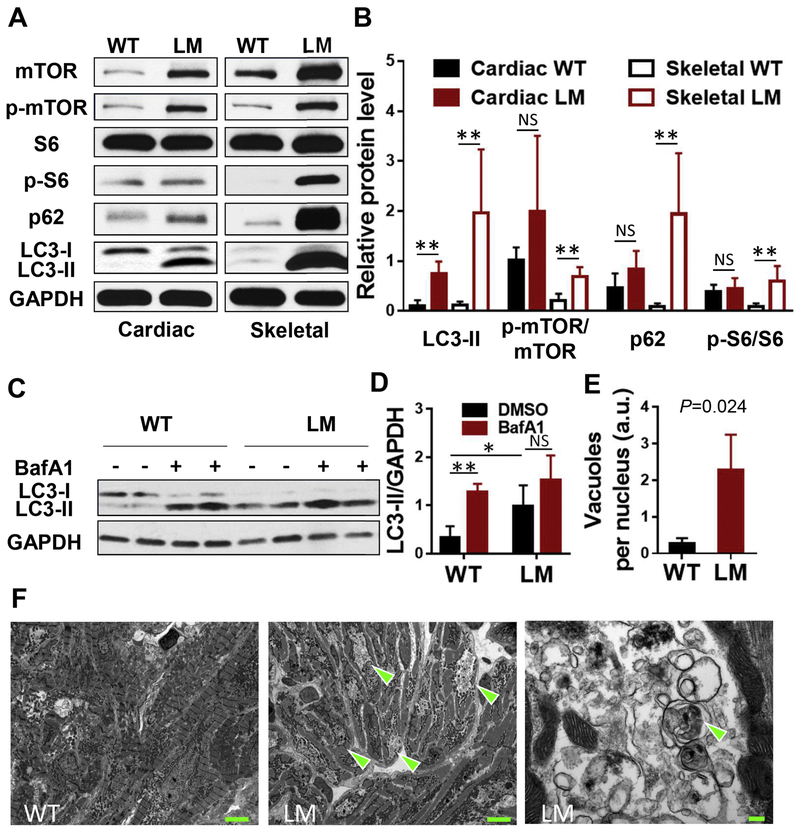
Fig. 2.. Metabolic abnormalities in lamp2e2/e2.
A, B. Shown are western blots of the cardiac and skeletal muscle protein extracts suggesting increased mTOR signaling and aberrant autophagv in lamp2e2/e2 (Cardiac: N=4; Skeletal: N=5). C, D. Myocardium tissue from lamp2 mutants had higher basal level of LC3-II, and failed to further increase the level of LC3-II upon bafilomycin Al treatment (N=5). E. Quantification of autophagic vacuoles (N=3 hearts each). P<0.05 with WT, F. Representative TEM photographs of cardiac ultra-thin slices (13 months of age). Arrowheads indicate aggregations of autophagic vacuoles in lamp2e2/e2. At right panel, higher magnification revealed autophagosomes surrounded by double membranes. Scale bars: 5 μm (left and middle panel) and 200 nm (right panel). * P<0.05, **P<0.01.
Fig. 3.
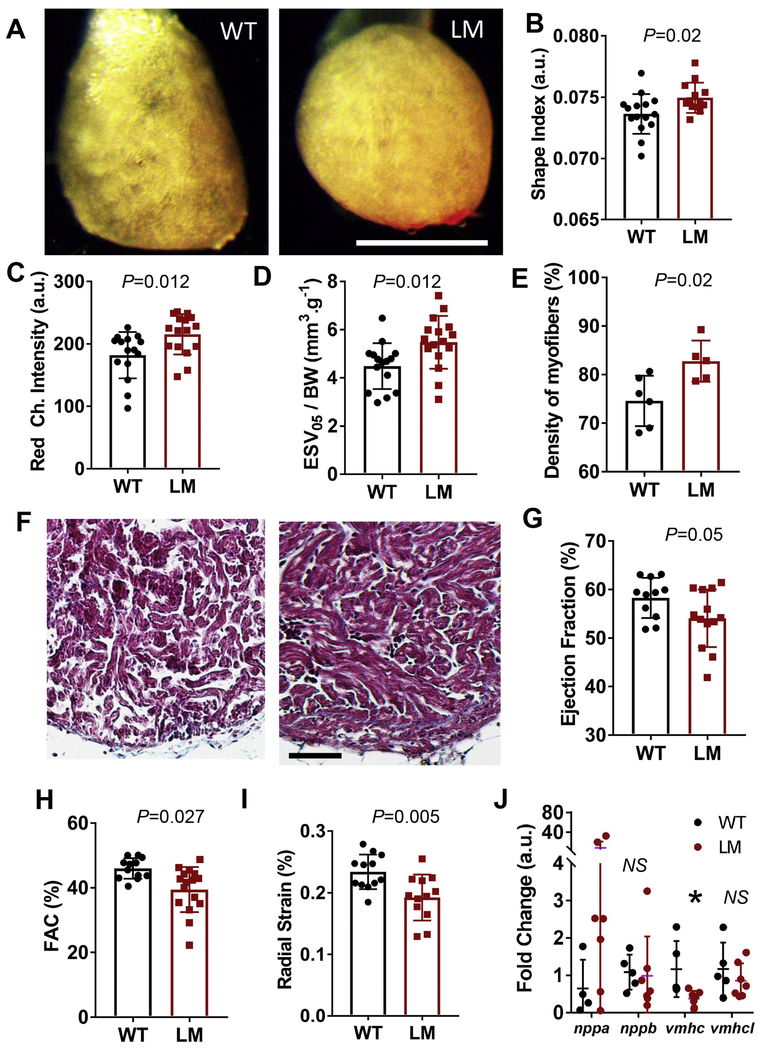
Fig. 3.. Ventricular remodeling in lamp2e2/e2 hearts.
A. Images of isolated ex vivo perfused hearts. Ventricles in lamp2e2/e2 appear rounder. Scale bar is 1 mm. B. Shape index (area over perimeter squared) is increased in lamp2e2/e2 fish (N=15 for wild-type and 16 for lamp2e2/e2). C. Red channel intensity is bigger in lamp2e2/e2 hearts, supporting denser tissue (N=15 for wild-type and 16 for lamp2e2/e2). D. Increased end-systolic volume at low flow (0.05 ml/min; ESV05) in lamp2e2/e2hearts (N=15 for wild-tvpe and 16 for lamp2e2/e2). E. Quantification of F (N=6 hearts for wild-type and N=5 for lamp2e2/e2). F. Trichrome-stained heart slices show denser trabeculae myocardium. Scale bar is 50 μm. G. Reduced ejection fraction (EF%), H. Reduced fractional area contractility (FAC%), and I. reduced radial strain both suggest compromised cardiac pump function in lamp2e2/e2 (LM). Shown in G-I are ex vivo studies of Langendorff-like perfused hearts (N=12). J. qRT-PCR to quantify transcripts of fetal gene program (N=5 and 7 for WT and LM, respectively). *P<0.05.
Fig. 4.
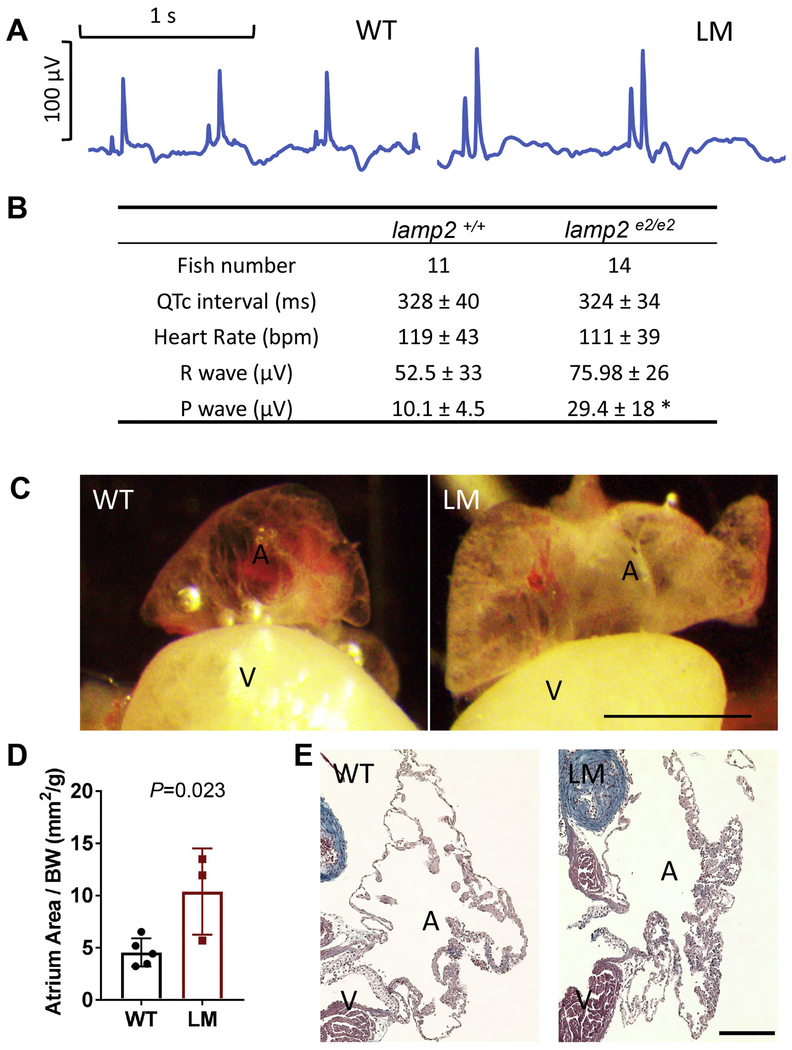
Fig. 4.. Atrial hypertrophy in lamp2e2/e2.
A. Representative electrocardiograms. Note increased magnitudes of P-waves in lamp2e2/e2(LM, right panel). B. Quantification of ECG parameters: P-wave magnitude is increased (*P<0.0005.). C. Representative images of the inflated atrium. Atria in lamp2e2/e2 appear bigger and less transparent. Scale bar is 0.8 mm. D. Quantification of the area of atria averaged from two perpendicular planes and normalized by BW (N=3). E. Trichrome staining of the atrial slices. Additional trabeculae were noted in atria of lamp2e2/e2. Scale bar is 100 um.
Fig. 5.
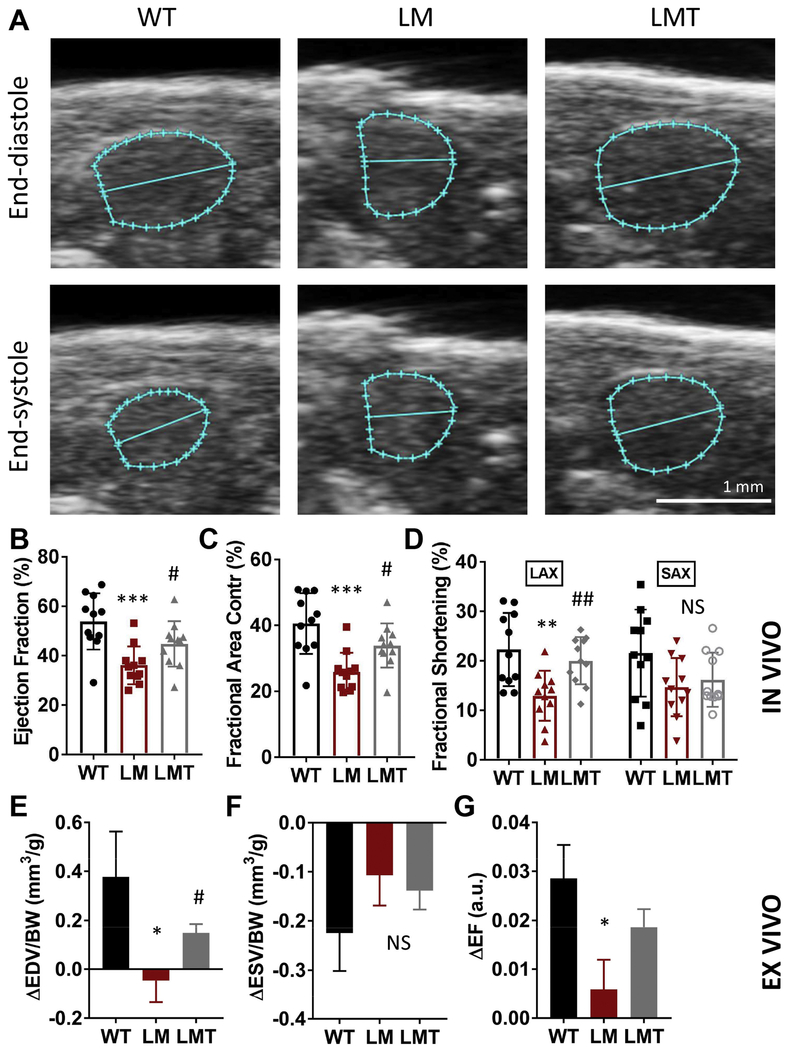
Fig. 5.. mTOR inhibition alleviates cardiac dysfunction and blunted β-adrenergic response in lamp2e2/e2.
A. Representative end-diastolic and end-systolic images of ventricles from echocardiography. B-D. In vivo parameters of cardiac pump function via HFE (N=11 for all groups). Both ejection fraction (EF%) and fractional area contractility (FAC%) were reduced in lamp2e2/e2 (LM), and were partially rescued in lamp2e2/e2 ; xu015+/− (LMT). Fractional shortening (FS%) at the long axis (LAX), but not short axis (SAX), was rescued. E-G. Ex vivo indices of the response to isoproterenol (N=15 for the wild-type, 16 for lamp2e2/e2, and 11 for lamp2e2/e2 ; xu015+/−). The ISO-induced increase of EDV (ΔEDV) and EF (ΔEF) were blunted in LM, but rescued in LMT group. By contrast, the ISO-induced increase in ESV (ΔESV) was not affected. (Mean ± SEM in the ex vivo ISO response experiment). * P < 0.05, LM to WT, # P <0.05, LMT to LM group (rescue).
Fig. 6.
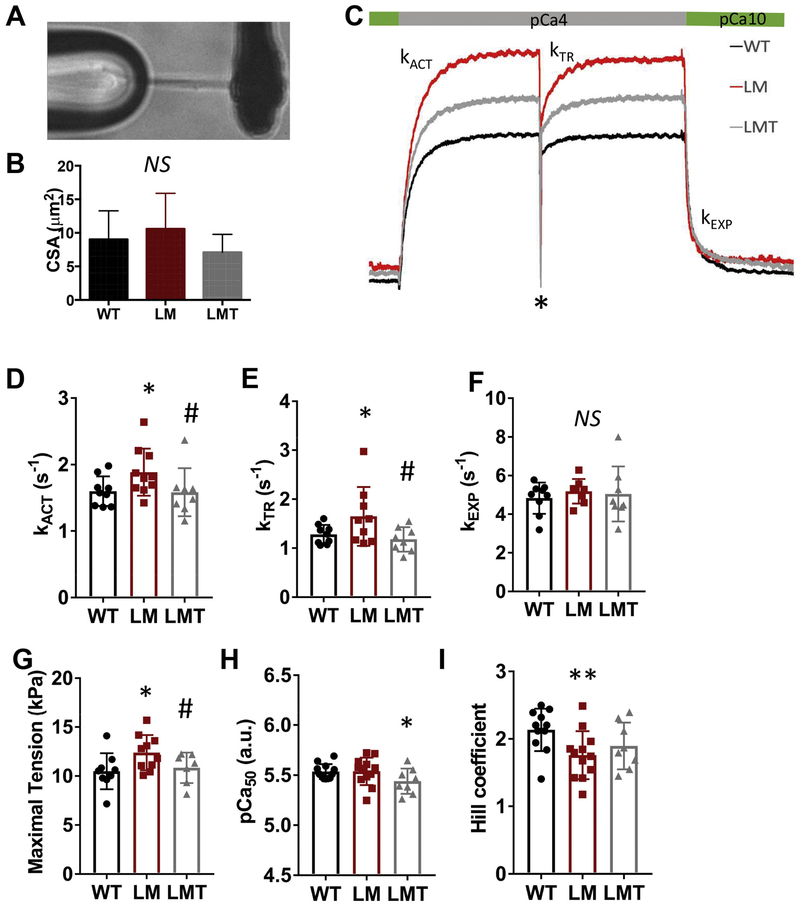
Fig. 6.. mTOR inhibition normalizes maximal isometric tension and kinetics of activation in single myofibrils.
A. A representative image of a single myofibril preparation attached to the glass micro-tools. B. Cross-sectional area (CSA) of myofibrils in experiments (N=9. 10 and 8 for the wild-type, lamp2e2/e2, and lamp2e2/e2 ; xu015+/−, respectively). C. Schematics of the calcium activation and force re-development traces in single myofibrils during release-re-stretch maneuver (*). Shown are WT, LM and LMT groups; D and E. Rates of calcium activation (kACT) and force re-development (kTR) are both higher in lamp2e2/e2 (LM) and normalized in double mutant (LMT). F. Parameters of the rate of fast exponential relaxation (kEXP) have no difference among three groups. G. Maximal tension is increased in lamp2e2/e2 (LM), but rescued in lamp2e2/e2; xu015+/ (LMT). H. Calcium sensitivity (pCa50) is reduced only in double mutant (LMT). I. Hill coefficient is decreased in both LM and LMT groups. * - p < 0.05 to WT # - p<0.05 to LM group (rescue).

References

    1. Roos JCP, Daniels MJ, Morris E, Hyry HI, Cox TM, Heterogeneity in a large pedigree with Danon disease: Implications for pathogenesis and management, Mol Genet Metab 123(2) (2018) 177–183. - PMC - PubMed
    1. Maron BJ, Roberts WC, Arad M, Haas TS, Spirito P, Wright GB, Almquist AK, Baffa JM, Saul JP, Ho CY, Seidman J, Seidman CE, Clinical outcome and phenotypic expression in LAMP2 cardiomyopathy, JAMA 301(12) (2009) 1253–9. - PMC - PubMed
    1. Danon MJ, Oh SJ, DiMauro S, Manaligod JR, Eastwood A, Naidu S, Schliselfeld LH, Lysosomal glycogen storage disease with normal acid maltase, Neurology 31(1) (1981) 51–7. - PubMed
    1. D’Souza R S, Levandowski C, Slavov D, Graw SL, Allen LA, Adler E, Mestroni L, Taylor MR, Danon disease: clinical features, evaluation, and management, Circ Heart Fail 7(5) (2014) 843–9. - PMC - PubMed
    1. Endo Y, Furuta A, Nishino I, Danon disease: a phenotypic expression of LAMP-2 deficiency, Acta Neuropathol 129(3) (2015) 391–8. - PubMed

Publication types

MeSH terms

Substances