


Neurotoxicity to dopamine neurons after the serial exposure to alcohol and methamphetamine: Protection by COX-2 antagonism
- PMID: 31228610
- PMCID: PMC6754766
- DOI: 10.1016/j.bbi.2019.06.028
Neurotoxicity to dopamine neurons after the serial exposure to alcohol and methamphetamine: Protection by COX-2 antagonism
Abstract
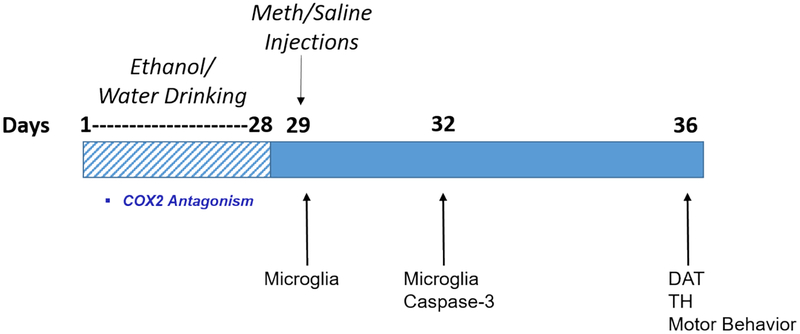
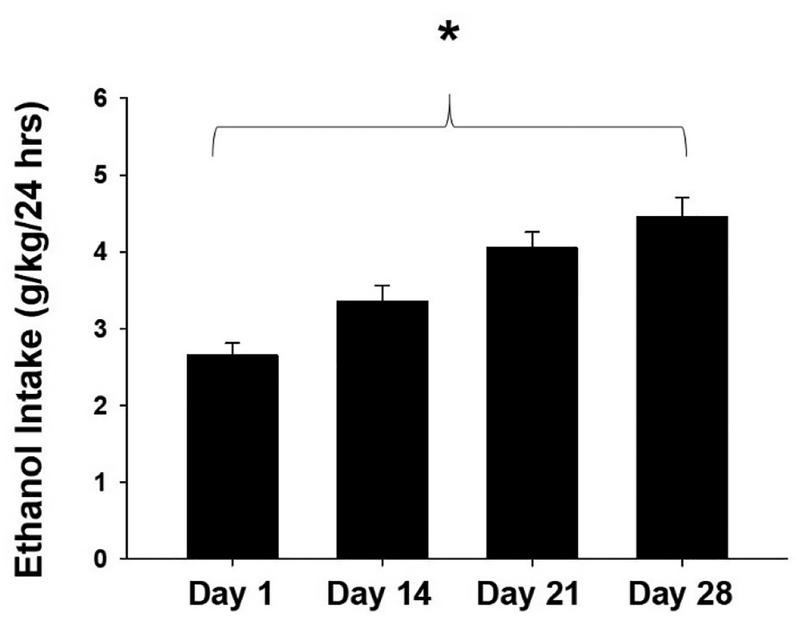
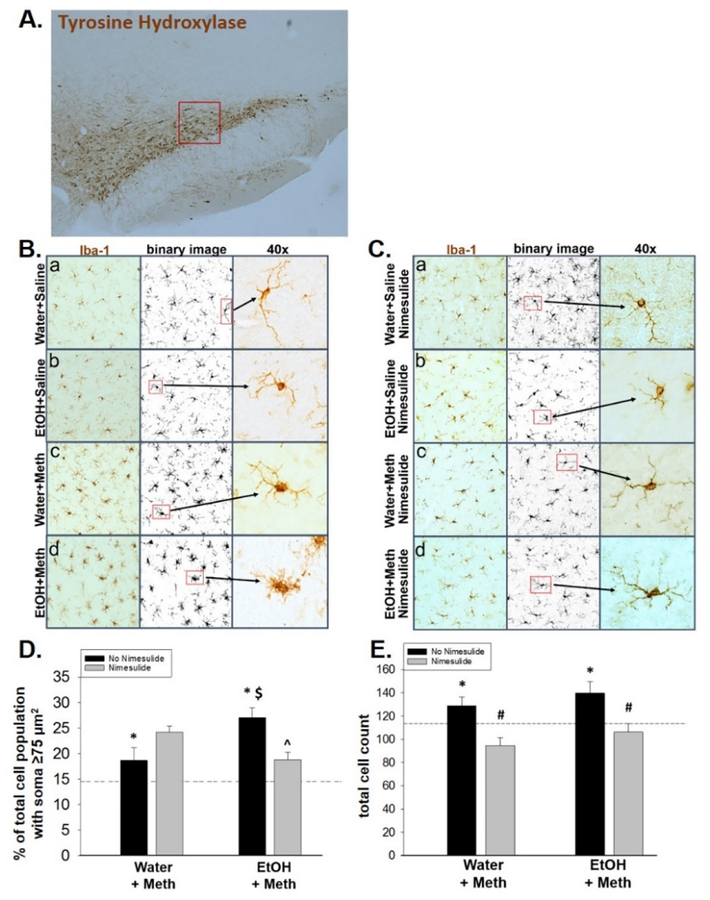
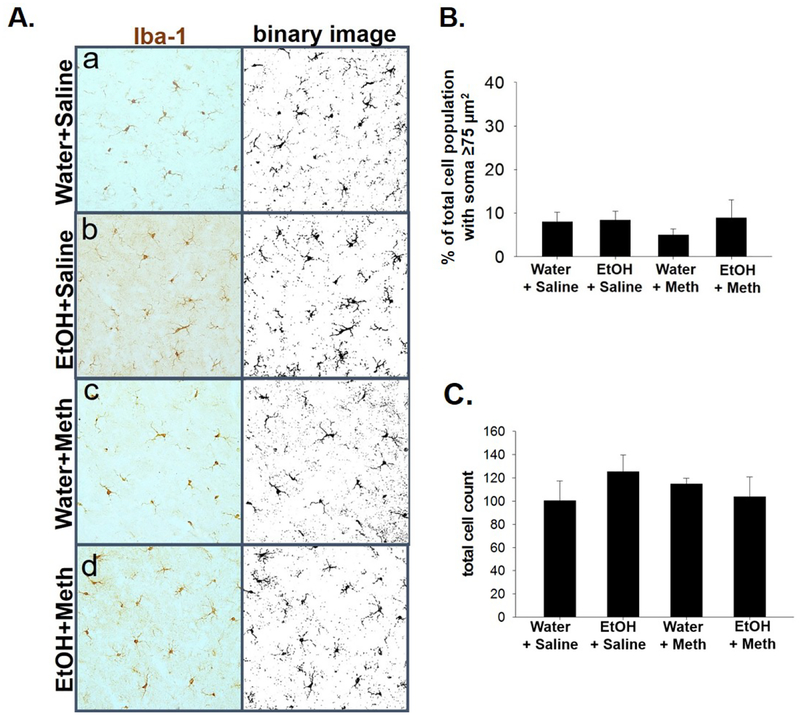
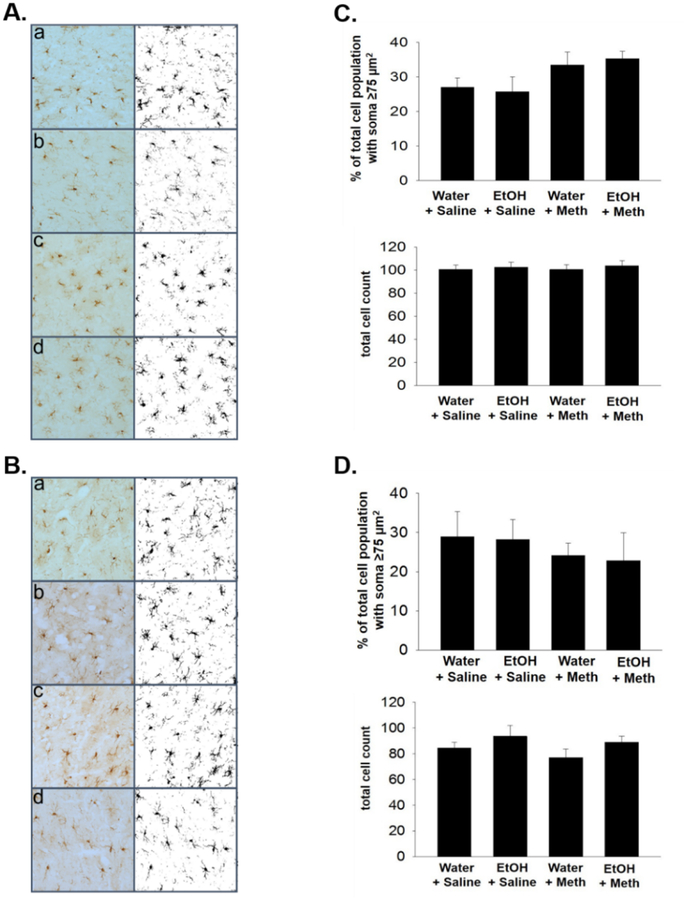
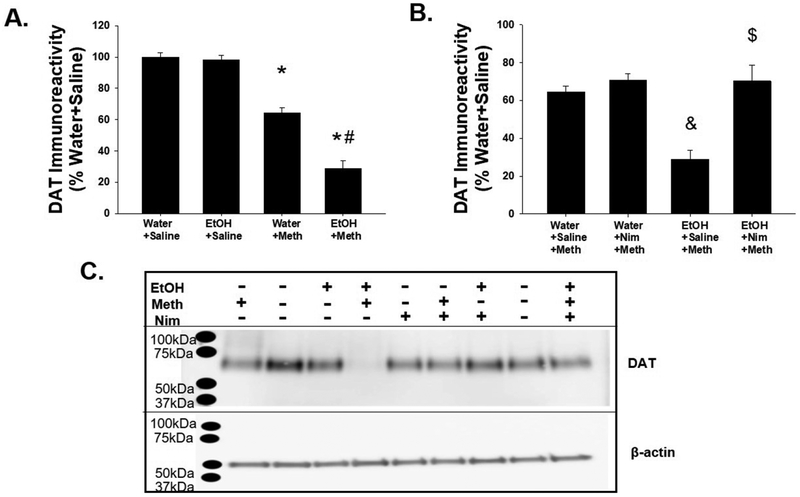
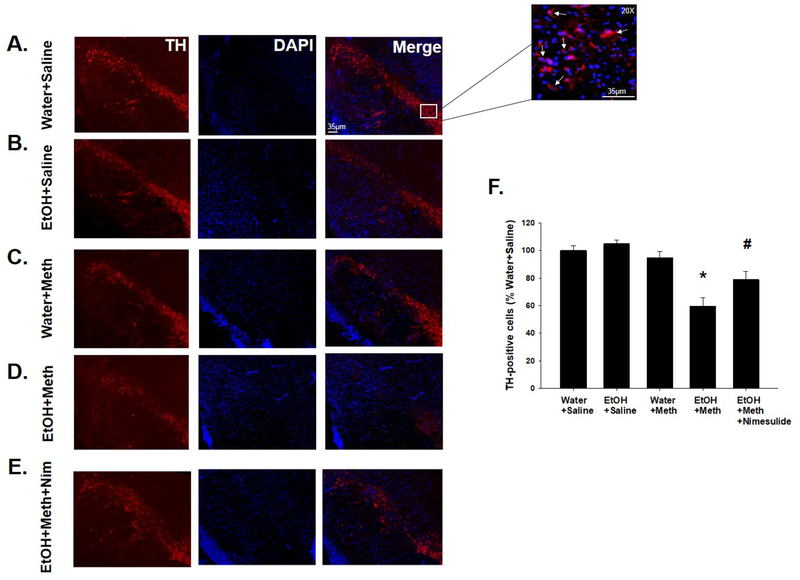
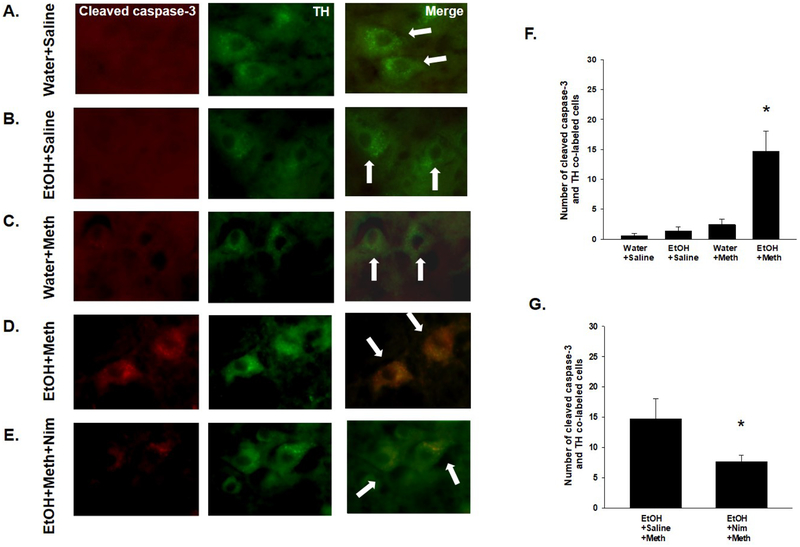
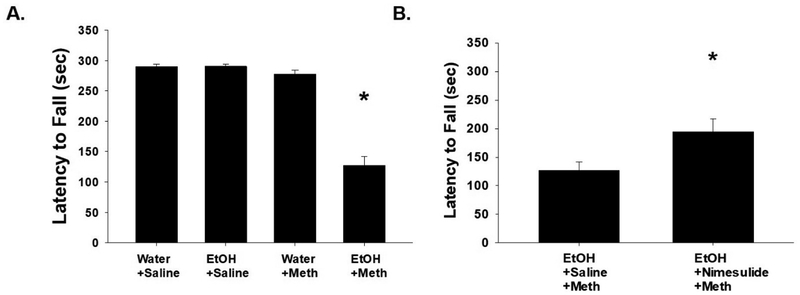
A significant co-morbidity exists between alcohol and methamphetamine (Meth) in humans but the consequences and mechanisms underlying their co-morbid effects remain to be identified. A consequence associated with the abuse of either alcohol or Meth involves inflammation but little is known about the role of inflammation in a possible neurotoxicity arising from their co-exposure. Sprague Dawley rats were allowed 28 days of intermittent, voluntary access to 10% ethanol (EtOH) followed by a neurotoxic binge administration of Meth. EtOH drinking followed by Meth increased microglial cell counts and produced morphological changes in microglia of the substantia nigra pars compacta 2 h after Meth administration that were distinct from those produced by either EtOH or Meth alone. These effects preceded the activation of cleaved caspase-3 in dopamine cell bodies, as well as decreases in tyrosine hydroxylase (TH) immunoreactivity in the substantia nigra and dopamine transporter (DAT) immunoreactivity in the striatum measured at 7 days after Meth. Intervention with a selective COX-2 inhibitor during EtOH drinking prevented the changes in microglia, and attenuated the increase in cleaved caspase-3, and decreases in TH and DAT after Meth administration. Furthermore, motor dysfunction measured by a rotarod test was evident but only in rats that were exposed to both EtOH and Meth. The motor dysfunction was ameliorated by prior inhibition of COX-2 during EtOH drinking. The exaggerated neurochemical and behavioral deficits indicate that the comorbidity of EtOH and Meth induces a degeneration of the nigrostriatal pathway and support the role of inflammation produced by EtOH drinking that primes and mediates the neurotoxic consequences associated with the common co-morbidity of these drugs.
Copyright © 2019 Elsevier Inc. All rights reserved.
Figures
References
Publication types
MeSH terms
Substances
Grants and funding
LinkOut - more resources
Full Text Sources
Medical
Research Materials
Miscellaneous
