


Detecting and managing hypertensive disorders in pregnancy: a cross-sectional analysis of the quality of antenatal care in Nigeria
- PMID: 31234838
- PMCID: PMC6591953
- DOI: 10.1186/s12913-019-4217-8
Detecting and managing hypertensive disorders in pregnancy: a cross-sectional analysis of the quality of antenatal care in Nigeria
Abstract
Background: Nigeria has one of the highest rates of maternal mortality in the world (576/100,000 births), with a significant proportion of death attributed to hypertensive disorders in pregnancy (HDPs). High quality antenatal care (ANC) plays a crucial role in early detection and management of HDPs. We conducted an assessment of quality of antenatal care, and its capacity to detect and manage HDPs, in two tiers of Nigerian facilities, with the aim of describing the state of service delivery and identifying the most urgent gaps.
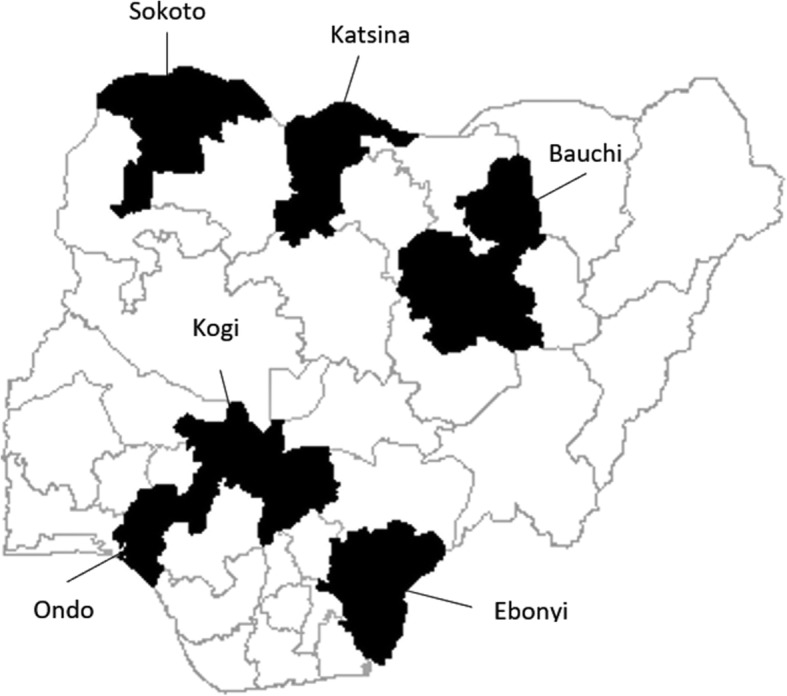
Methods: Quality of antenatal care was assessed and compared between primary healthcare centers (PHCs) (n = 56) and hospitals (secondary + tertiary facilities, n = 39) in seven states of Nigeria. A cross-sectional design captured quality of care using facility inventory checklists, semi-structured interviews with healthcare providers and clients, and observations of ANC consultations. A quality of care framework and scoring system was established based on aspects of structure, process, and outcome. Average scores were compared using independent sample t-tests and measures of effect were assessed by multivariate linear regression.
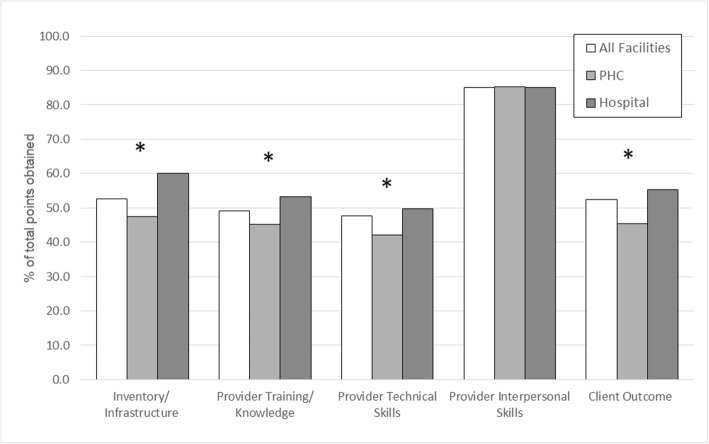
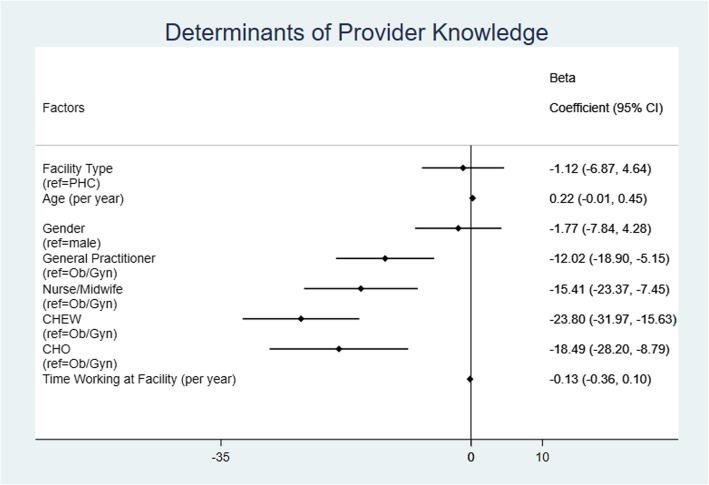
Results: All domains of quality except provider interpersonal skills scored below 55%. The lowest overall scores were observed in provider knowledge (49.9%) and provider technical skill (47.7%). PHCs performed significantly worse than hospitals in all elements of quality except for provider interpersonal skills. Provider knowledge was significantly associated with their level of designation (i.e., obstetrician vs. other providers).
Conclusions: In order to provide high quality care, ANC in Nigeria must experience massive improvements to inventory, infrastructure and provider knowledge and training. In particular, ANC programs in PHCs must be revitalized to minimize the disparity in quality of care provided between PHCs and hospitals. The relatively low quality of care observed may be contributing to Nigeria's high rate of maternal mortality and burden of disease attributed to HDPs.
Keywords: Antenatal care - maternal health - quality of care - health systems; Hypertensive disorders in pregnancy - primary health care.
Conflict of interest statement
The authors declare that they have no competing interests.
Figures
References
-
- World Health Organization. WHO recommendations on antenatal care for a positive pregnancy experience: World Health Organization; 2016. - PubMed
-
- Oladapo O, Adetoro O, Ekele B, Chama C, Etuk S, Aboyeji A, et al. When getting there is not enough: a nationwide cross-sectional study of 998 maternal deaths and 1451 near-misses in public tertiary hospitals in a low-income country. BJOG. 2016;123(6):928–938. doi: 10.1111/1471-0528.13450. - DOI - PMC - PubMed
-
- Oyerinde K. Can antenatal care result in significant maternal mortality reduction in developing countries. J Community Med Health Educ. 2013;3(2):2–3.
-
- WHO . World health statistics 2014. Geneva: World Health Organization; 2014.
MeSH terms
Grants and funding
LinkOut - more resources
Full Text Sources
Medical
