


Transparency in Decision Modelling: What, Why, Who and How?
- PMID: 31240636
- PMCID: PMC8237575
- DOI: 10.1007/s40273-019-00819-z
Transparency in Decision Modelling: What, Why, Who and How?
Abstract
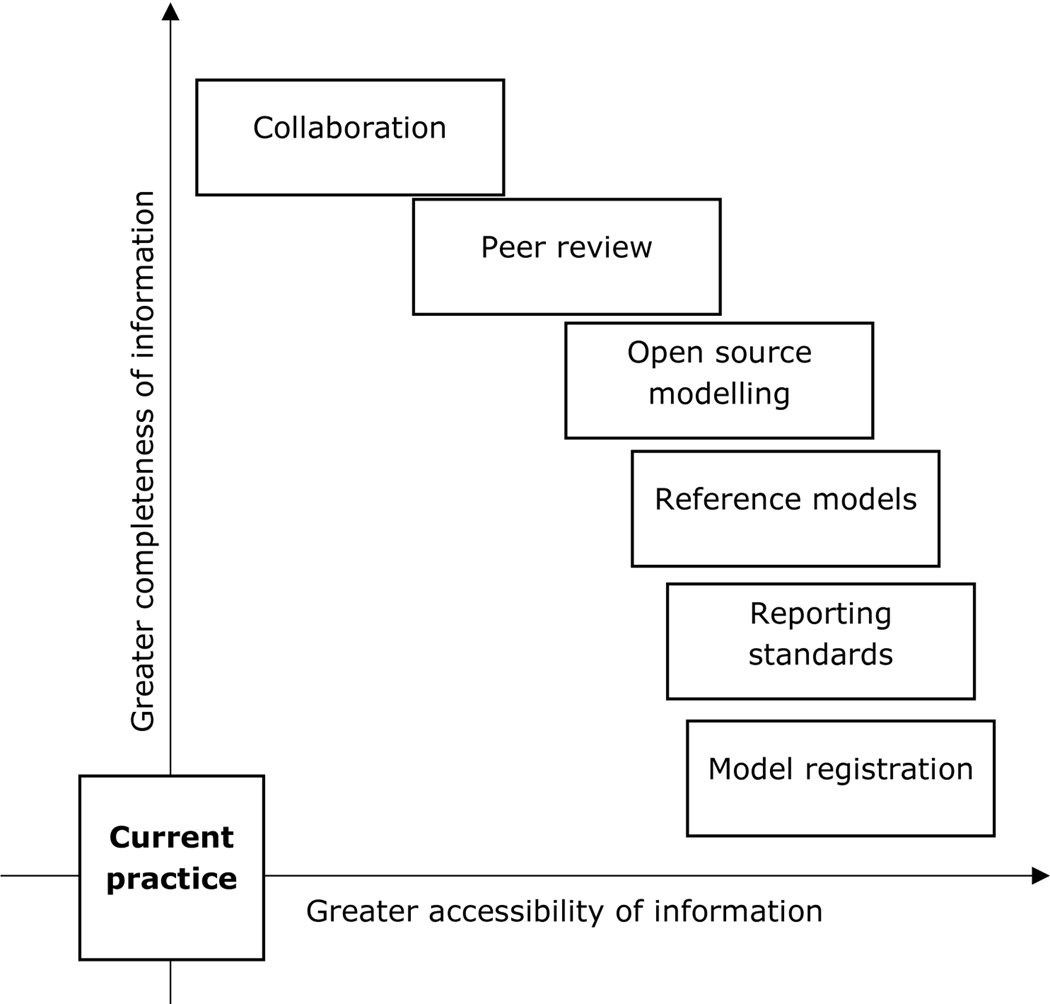
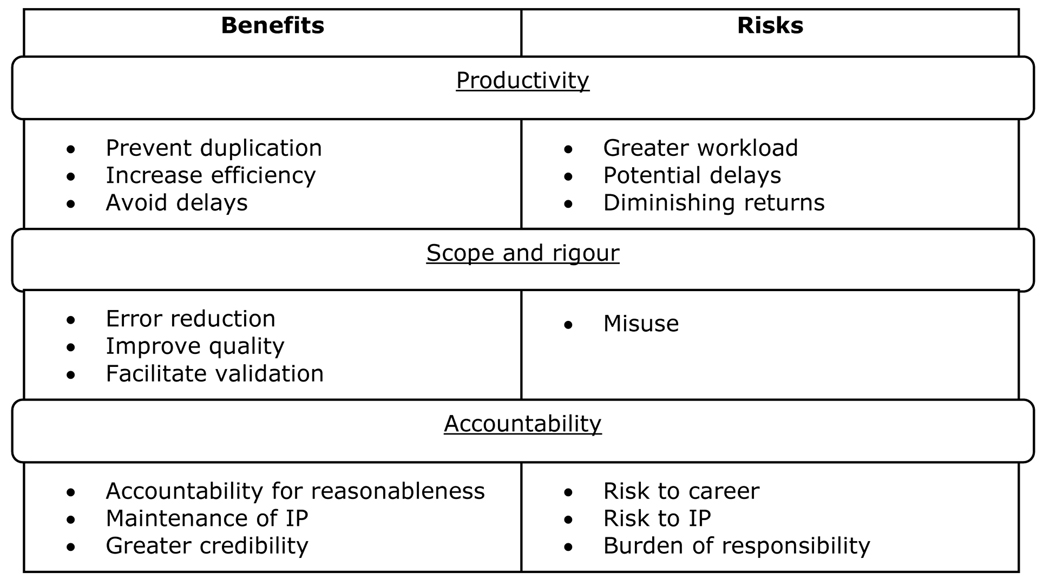
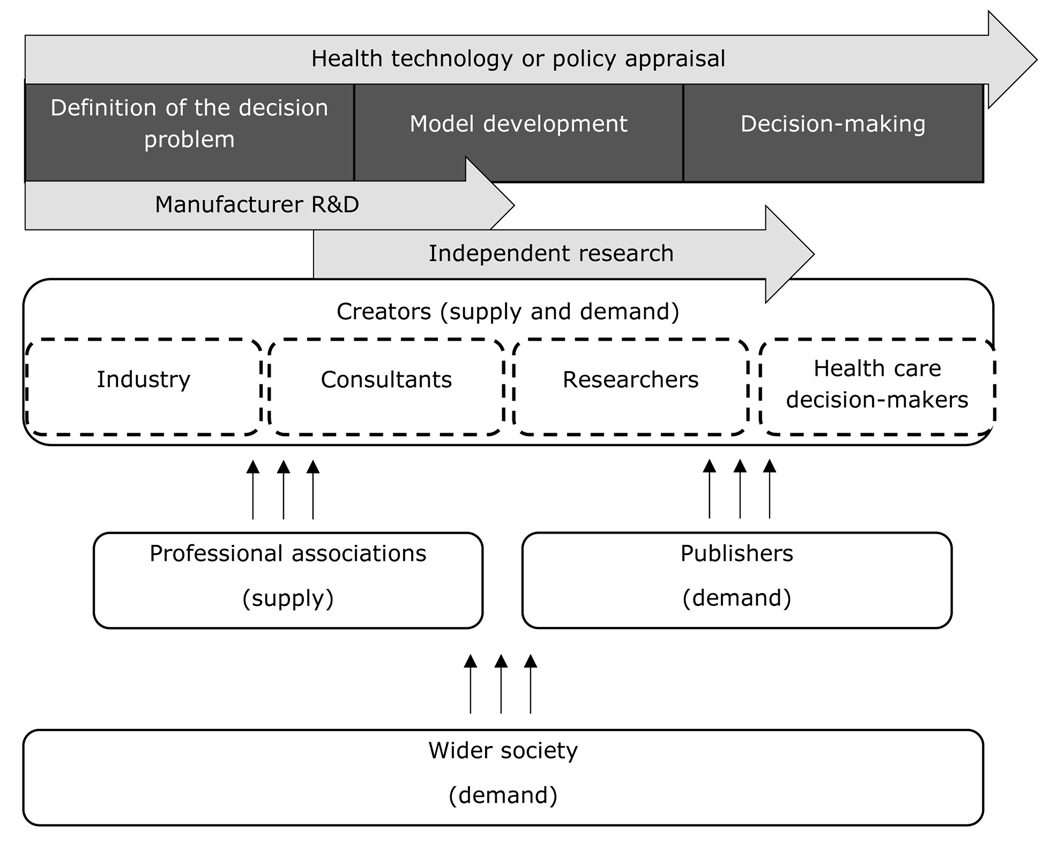
Transparency in decision modelling is an evolving concept. Recently, discussion has moved from reporting standards to open-source implementation of decision analytic models. However, in the debate about the supposed advantages and disadvantages of greater transparency, there is a lack of definition. The purpose of this article is not to present a case for or against transparency, but rather to provide a more nuanced understanding of what transparency means in the context of decision modelling and how it could be addressed. To this end, we review and summarise the discourse to date, drawing on our collective experience. We outline a taxonomy of the different manifestations of transparency, including reporting standards, reference models, collaboration, model registration, peer review and open-source modelling. Further, we map out the role and incentives for the various stakeholders, including industry, research organisations, publishers and decision makers. We outline the anticipated advantages and disadvantages of greater transparency with respect to each manifestation, as well as the perceived barriers and facilitators to greater transparency. These are considered with respect to the different stakeholders and with reference to issues including intellectual property, legality, standards, quality assurance, code integrity, health technology assessment processes, incentives, funding, software, access and deployment options, data protection and stakeholder engagement. For each manifestation of transparency, we discuss the 'what', 'why', 'who' and 'how'. Specifically, their meaning, why the community might (or might not) wish to embrace them, whose engagement as stakeholders is required and how relevant objectives might be realised. We identify current initiatives aimed to improve transparency to exemplify efforts in current practice and for the future.
Figures
References
-
- Daniels N, Sabin J. Limits to Health Care: Fair Procedures, Democratic Deliberation, and the Legitimacy Problem for Insurers. Philosophy & Public Affairs. 1997;26:303–50. - PubMed
-
- Daniels N, Sabin JE. Accountability for Reasonableness. Setting Limits Fairly: Can we learn to share medical resources? Oxford University Press; 2002.
-
- Eddy DM, Hollingworth W, Caro JJ, Tsevat J, McDonald KM, Wong JB. Model Transparency and Validation: A Report of the ISPOR-SMDM Modeling Good Research Practices Task Force–7. Medical Decision Making. 2012;32:733–43. - PubMed
-
- Philips Z, Ginnelly L, Sculpher M, Claxton K, Golder S, Riemsma R, et al. Review of guidelines for good practice in decision-analytic modelling in health technology assessment. Health Technol Assess. 2004;8:iii–iv, ix–xi, 1–158. - PubMed
Publication types
MeSH terms
Grants and funding
LinkOut - more resources
Full Text Sources
